Machine · Chest
How to use the pec deck and rear delt machine
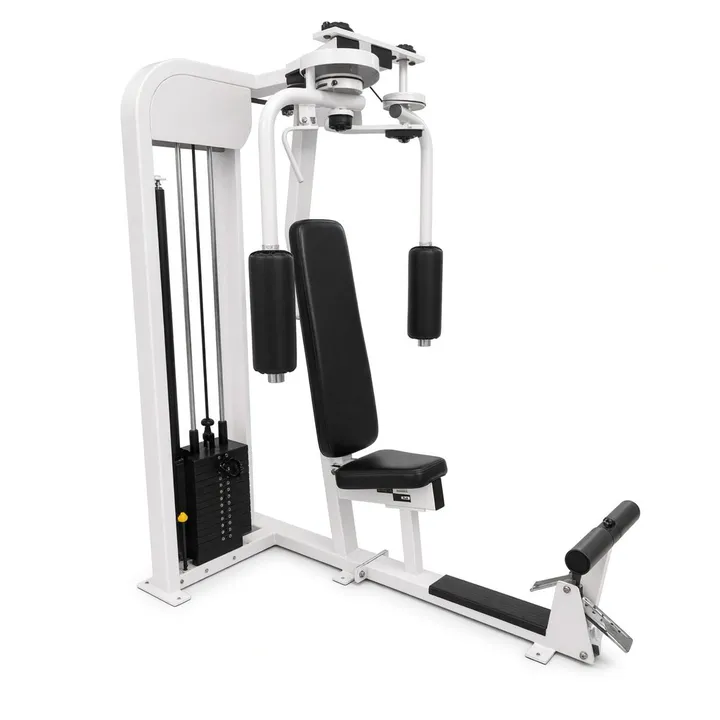
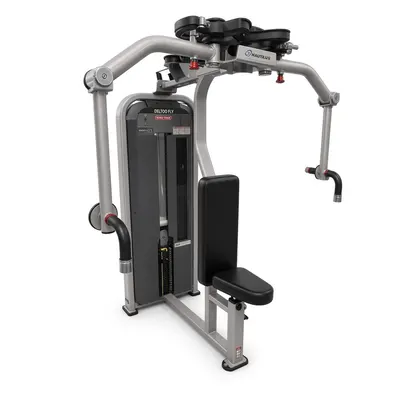
This machine lets you work either your chest (machine chest fly) or the back of your shoulders (machine reverse fly). The guided path helps you focus on muscle tension without worrying too much about balance. It works well for beginners and more experienced lifters.
At all 76 gyms GoSet follows
The essentials
- Adjust seat so forearms are at chest height.
- Place forearms against the vertical pads, elbows slightly bent.
- Bring arms together in front without locking elbows.
Muscles worked
- Primary
- Chest · Shoulders
Setup
- Set the seat height so the handles are roughly in line with the middle of your chest when you sit facing away from the machine (pec deck mode).
- To work the back of your shoulders, turn around and face the pad: adjust the seat so the handles are at shoulder height.
- Choose the starting arm position on the machine: not too wide to avoid pulling on your shoulders, but wide enough to feel light tension at the start.
- Select a weight with the pin on the stack: start light to learn the motion, especially on your first sets.
- Keep your lower back and shoulder blades against the pad, and your feet flat on the floor before you begin.
How to do it
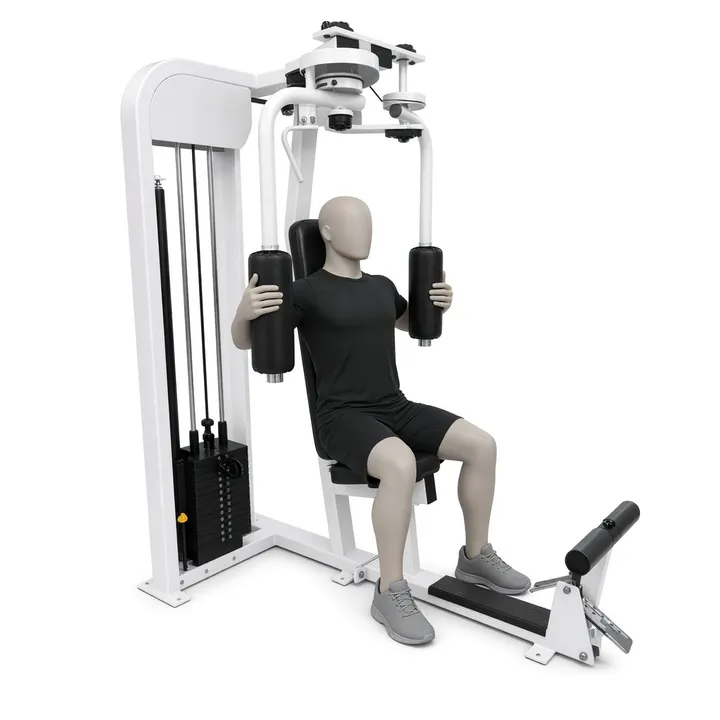
- For chest (machine chest fly), sit with your back on the pad, grab the handles with a small bend in your elbows and your forearms in line with the handles.
- Take a breath in, then bring the handles together in front of you in 1–2 seconds, keeping your shoulders pressed into the pad.
- Bring the handles in until they’re in front of your chest, squeeze your chest for 1 second without slamming the handles together.
- Return slowly to the starting position in 2–3 seconds, keeping some tension at the end and not letting the stack rest fully.
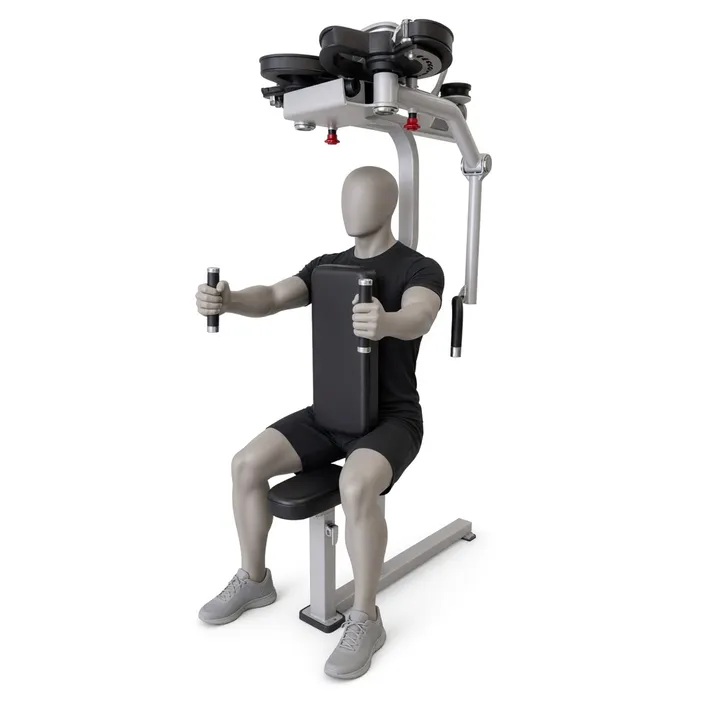
- For rear delts (machine reverse fly), sit facing the pad with your chest against the cushion, grab the handles and keep your torso still.
- As you exhale, open your arms out and back in 1–2 seconds until your hands line up with your shoulders, pause briefly, then come back forward in 2–3 seconds without dropping the weight.
Common mistakes
Letting the shoulders roll forward or shrug up
Instead : Think about keeping your shoulder blades glued to the pad (or to the chest pad in reverse fly) and hold them steady through the whole movement.
Starting with the arms too far back
Instead : Set the machine so you feel a moderate stretch only. If you feel pulling in the front of the shoulder, bring the start position a bit closer in.
Swinging or jerking to finish reps
Instead : Pick a weight that lets you move smoothly. Keep your torso still and focus on a slow return phase, about 2–3 seconds.
Crashing the handles together
Instead : Bring the handles close enough to feel your chest or rear shoulders working hard, then stop just before they touch and control the way back.
Coach tips
- Breathe with the movement: inhale as your arms open, exhale as you bring the handles together (chest) or pull back (rear delts).
- Focus on the area you want to work: think about your chest on the pec deck, and the back of your shoulders on the reverse fly.
- Use a slower return (2–3 seconds) to keep tension on the muscles without always adding more weight.
- The selectorized weight stack makes it easy to drop the weight between sets if you want more volume while keeping good form.
Variations
- Partial reps in the last part of the range to keep constant tension when you’re tired, while staying in a comfortable shoulder position.
- Back‑to‑back sets switching between pec deck and reverse fly on the same machine to hit chest and shoulders in the same block.
Sets and reps
People often use 3–4 sets of 10–15 reps on this machine for both chest and rear shoulders, with a moderate load and controlled tempo.
Exercises on this machine
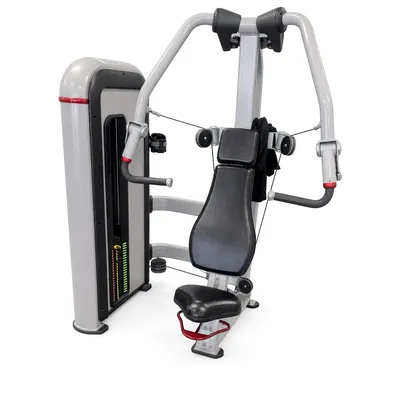
Machine taken? Try instead
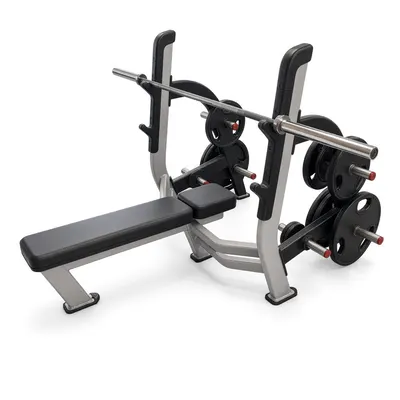
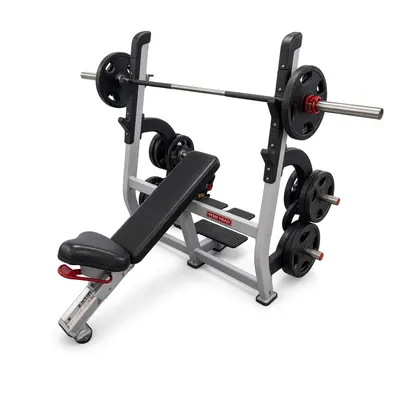
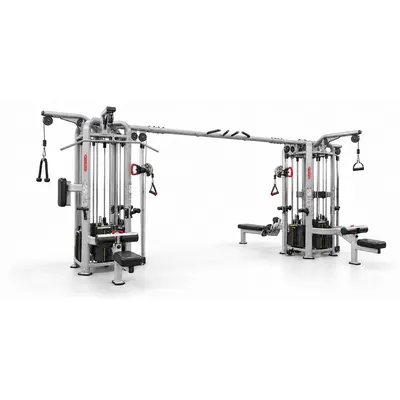
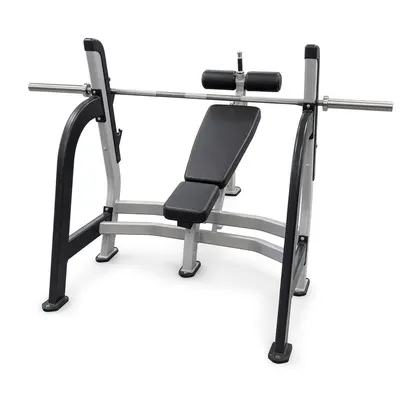
Log your Pec deck and rear delt machine sets with GoSet
GoSet remembers your last time, starts your rest on its own and notes your records. Even with no signal in the basement. Coming soon to iPhone and Android.
Common questions
How should I set the seat to hit my chest properly?
Set the seat so the handles line up roughly with the middle of your chest and your elbows stay slightly bent. If you feel it more in your shoulders than in your chest, lower the seat a bit or reduce the weight.
Does the pec deck replace the bench press?
It doesn’t feel the same. Bench press also uses more stabilizing muscles. The pec deck is mainly for isolating your chest with a guided motion, often used along with bench or chest press machines.
I feel discomfort in my shoulder on this machine, what should I do?
Stop right away. You can try a smaller range of motion, bring the start position a bit closer in, or lower the weight. If the discomfort stays, talk to a professional before using it again.
Should I use this more for chest or for rear delts?
You can use it for both, not necessarily in the same workout. Many people use it for chest in a general upper body session, and for rear shoulders in another workout focused on shoulders or back.