Exercise · Chest
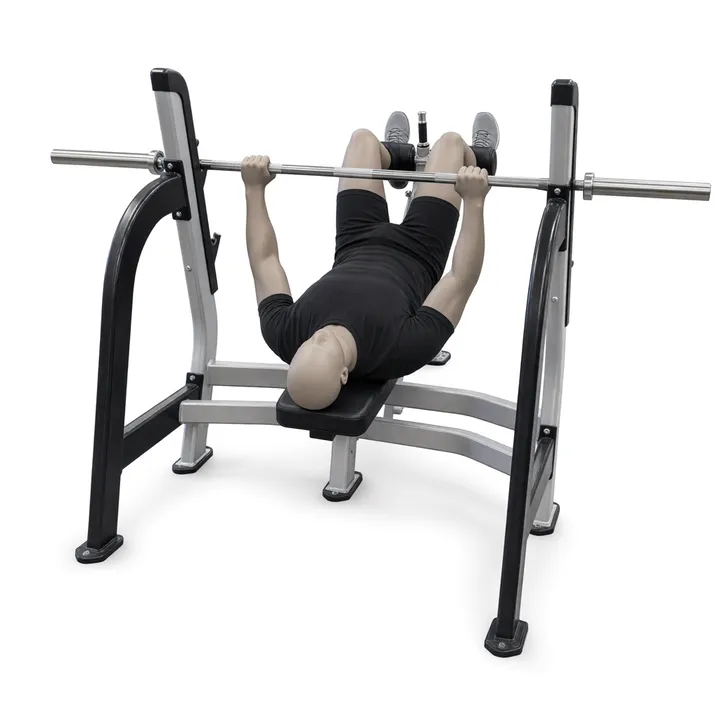
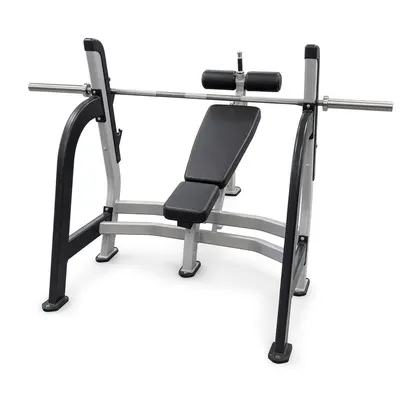
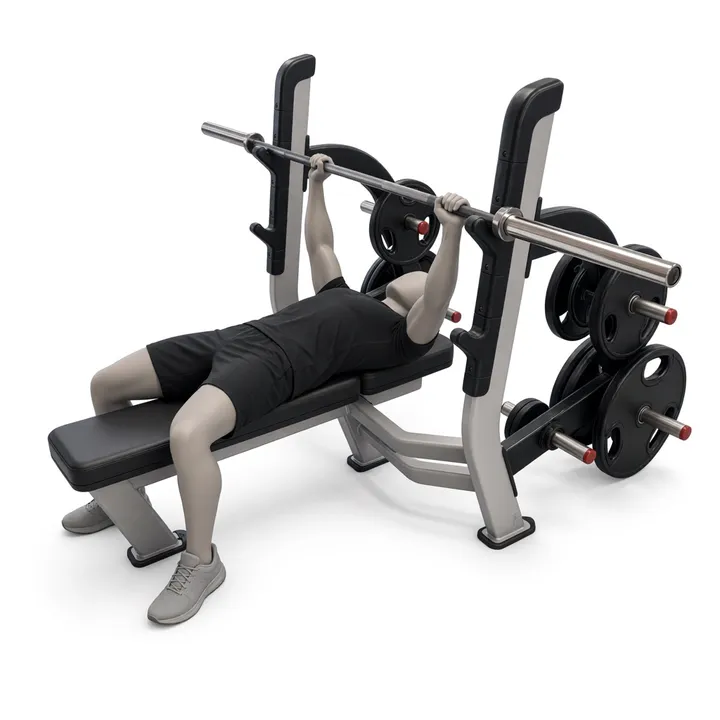
Barbell decline bench press on Olympic bench
The barbell decline bench press is a bench press variation where the bench is angled down. It puts more emphasis on the lower part of your chest, with help from your triceps and shoulders. It’s a solid option if your gym has a fixed decline bench and you want to change up your horizontal pressing work.
Doable at all 76 gyms GoSet follows
The essentials
- Legs locked under the pads.
- Lower the bar to your lower chest.
Muscles worked
- Primary
- Chest
- Secondary
- Triceps · Shoulders
How to do it
- 1. Adjust the decline bench if it’s adjustable, then lie down and lock your feet firmly under the pads so your body is stable.
- 2. Lie back with your eyes roughly under the bar, take a grip slightly wider than shoulder width, and wrap your thumbs around the bar.
- 3. Lift the bar off the rack while keeping your shoulders pressed into the bench and your shoulder blades squeezed together, then hold the bar over your lower chest with your arms almost straight.
- 4. Inhale and lower the bar toward your lower chest in 2 to 3 controlled seconds, keeping your elbows under the bar and your wrists straight.
- 5. When the bar lightly touches or comes close to your lower chest, press it back up as you exhale, keeping the bar path steady until your arms are almost straight again.
- 6. At the end of the set, carefully guide the bar back onto the hooks without bouncing it off the rack, keeping control the whole time.
Common mistakes
Legs not locked under the pads
Instead : Take a moment to wedge your legs properly under the pads before unracking the bar. That extra stability makes the bar path easier to control on every rep.
Lowering the bar too high on the chest
Instead : Aim for your lower chest. Bring the bar down to that area each rep to reduce stress on your shoulders and keep the movement more natural for your chest and triceps.
Bouncing the bar off the chest
Instead : Stop the bar gently on or just above your lower chest with no rebound. Think “touch and press” with a light contact and control the descent for about 2 to 3 seconds.
Wrists bent back under the bar
Instead : Keep the bar lined up over the base of your palm, not in your fingers. Your wrists stay straight, in line with your forearms, so your chest, triceps, and shoulders can push more efficiently.
Coach tips
- If you’re not comfortable going heavy on decline, keep the tempo controlled and stay at a weight where you can rack and unrack the bar easily.
- Keep your chest up and your shoulders pressed into the bench to better engage your chest and reduce strain on the shoulders.
- Breathe with the reps: inhale as you lower, exhale as you press. On the last reps, keep your breathing steady so your body stays tight.
- You can start with lighter weight and higher reps, then slowly increase the load once your bar path feels stable and consistent.
Variations
- Slightly narrower grip to put more work on the triceps while still bringing the bar to the lower chest.
- Slightly wider grip to shift more focus to the chest, staying within a comfortable range for your shoulders.
Sets and reps
The barbell decline bench press is often done for 3 to 4 sets of about 6 to 12 reps, depending on load and experience. Many lifters use it after a flat or incline barbell bench as a variation to add more chest and triceps volume.
Equipment
Alternatives for the same muscles
Log your Barbell decline bench press sets with GoSet
GoSet remembers your last time, starts your rest on its own and notes your records. Even with no signal in the basement. Coming soon to iPhone and Android.
Common questions
Where should I feel the decline bench press?
Mainly in your chest, especially the lower area, and also in your triceps and shoulders. If you mostly feel it in your shoulders, focus on lowering the bar to your lower chest and keeping your shoulders pressed into the bench.
What if I feel pain in my shoulder or chest on decline press?
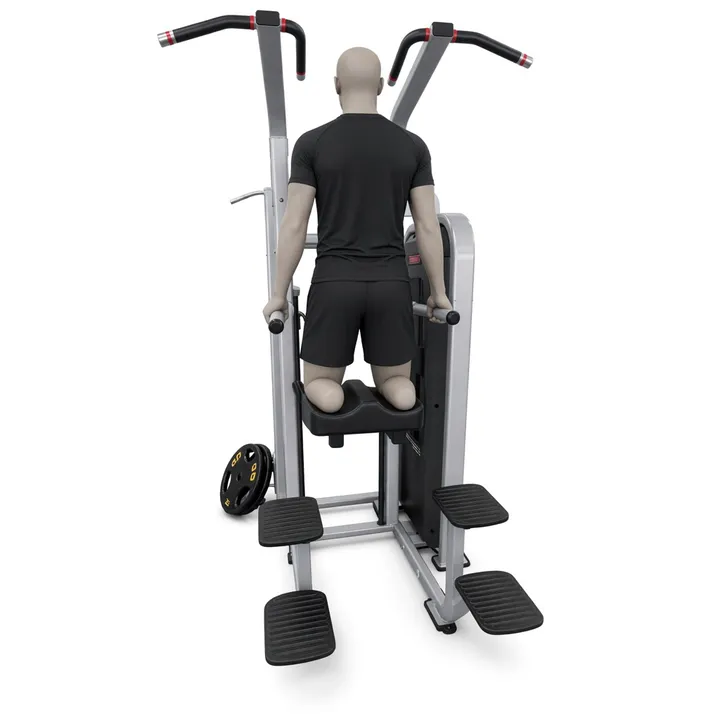
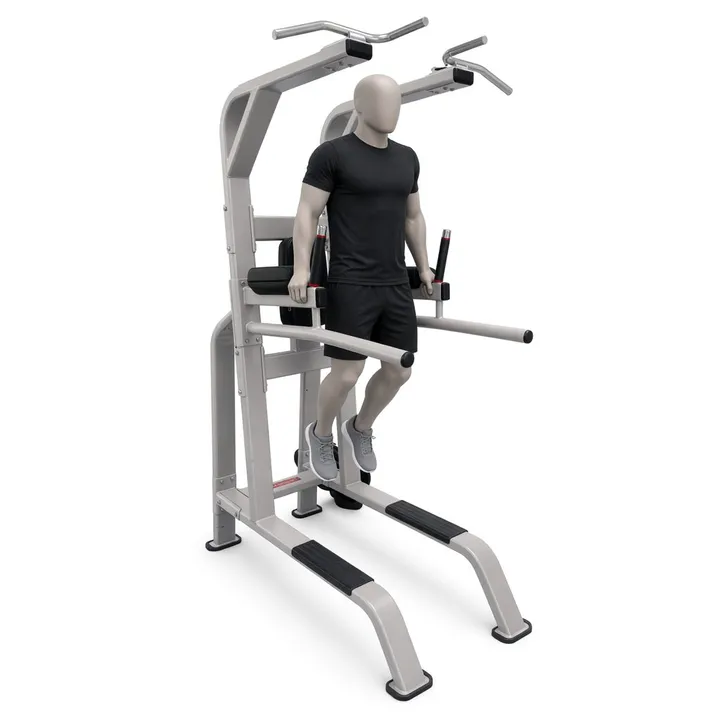
Stop the set right away. Talk to a healthcare professional before doing it again. You can also switch to another pressing variation like the barbell bench press or assisted dips, depending on what feels comfortable for you.
What can I do instead of the decline bench press?
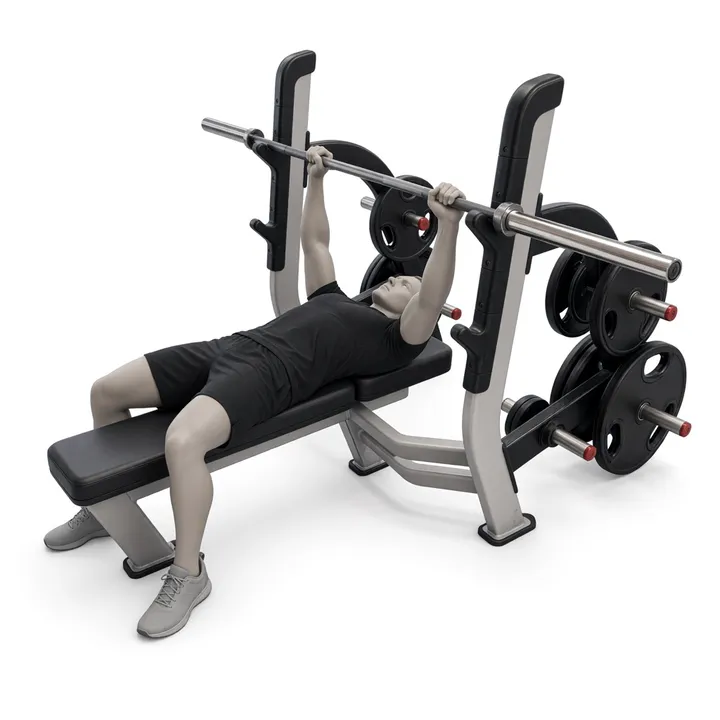
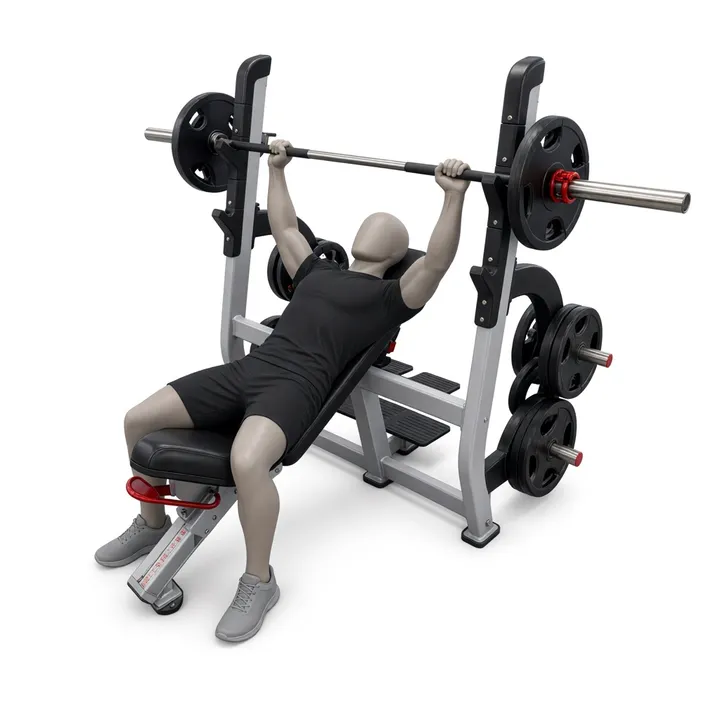
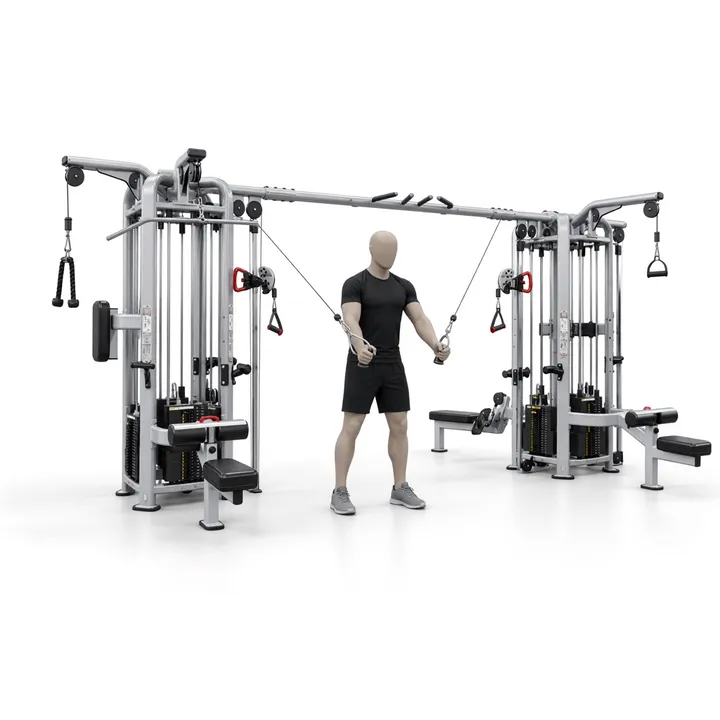
In gyms like the ones tracked by GoSet in Québec, you often have barbell bench press, barbell incline bench press, close‑grip bench press, assisted dips, bar dips, or the cable crossover as alternatives.