Exercise · Chest
Cable crossover at the gym
The cable crossover is a standing chest exercise done between two cable stacks, with help from the shoulders. It gives steady tension on the chest and works well as a complement to barbell bench or incline press. Good option if you want to better feel your chest working without loading as heavy as big presses.
Doable at all 76 gyms GoSet follows
The essentials
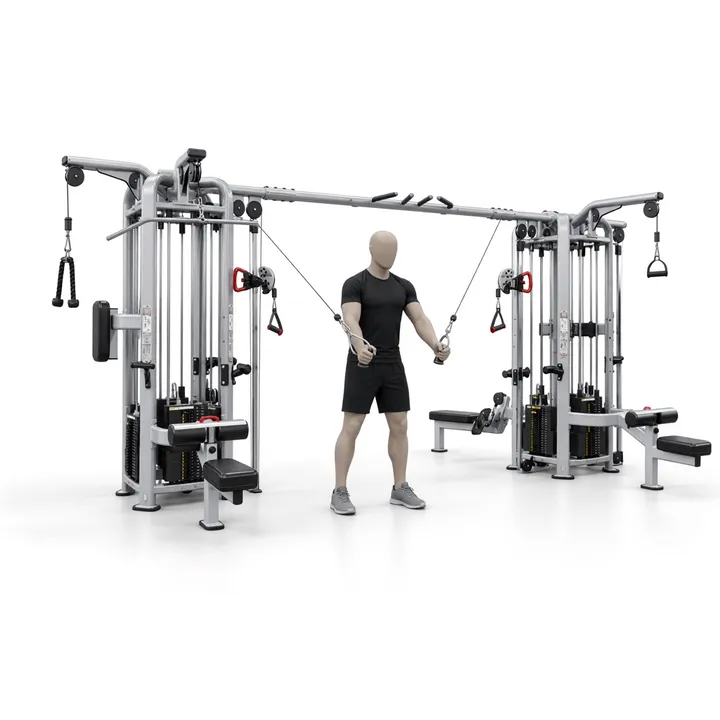
- One foot forward, torso slightly forward.
- Bring your hands together in an arc, elbows slightly bent.
Muscles worked
- Primary
- Chest
- Secondary
- Shoulders
How to do it
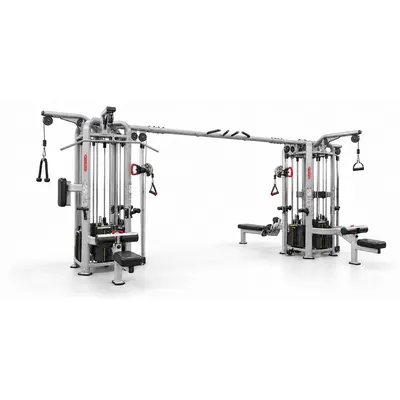
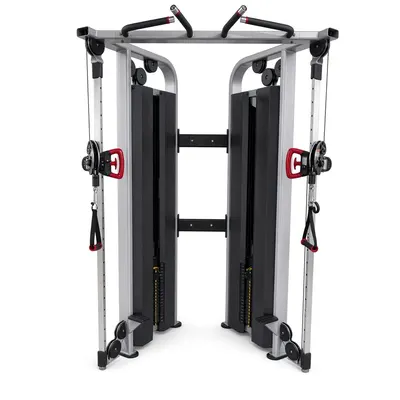
- Set the pulleys roughly at shoulder height and pick a weight you can control without swinging.
- Grab the handles and step to the centre with one foot forward, one back, torso slightly leaning forward.
- Start with your arms out to the sides in a “T” shape, elbows slightly bent, hands a bit in front of shoulder line, chest up.
- Bring your hands together in an arc in front of you at chest height, keeping the same slight elbow bend. Breathe out as you bring them together.
- Pause briefly when your hands are close, squeeze your chest, without slamming the handles together.
- Control the return for 2–3 seconds, opening the arms until you feel a good stretch in the chest without pulling in the shoulder, then start the next rep.
Common mistakes
Throwing the arms and pulling with the back
Instead : Slow the movement down, especially on the way back. Keep your torso stable and think about bringing your hands together with your chest, not yanking with your whole upper body.
Elbows bending and straightening a lot
Instead : Keep the same slight bend the whole time. Think of your arms as big hooks moving as one piece, instead of a curl where the elbows are doing the work.
Opening too wide and straining the shoulder
Instead : Don’t let your arms drift way behind your body. Stop the opening when you feel a comfortable stretch in your chest, with no pinching or pain in the shoulder.
Standing too upright and losing balance
Instead : Step one foot forward and lean your torso slightly. That gives you a solid base so the weight doesn’t pull you backward each rep.
Coach tips
- Start light to find your angle and path, then increase the weight only if you stay in full control.
- Keep your chest up and shoulders away from your ears to load the chest more and the shoulders less.
- Breathe steadily: exhale as you bring your hands together, inhale as you open your arms for about 2–3 seconds.
- You can tweak pulley height a bit (slightly higher or lower) to find the angle where your chest works best without shoulder discomfort.
Variations
- Use lighter weight at the end of a chest workout to finish with controlled reps.
- Use partial range around the middle if you want to focus on the zone where you feel the chest the most.
Sets and reps
Cable crossovers are often done for 3–4 sets of 10–15 reps with a moderate load, focusing on smooth, controlled motion. They’re commonly used after heavier pressing work to round out chest training.
Equipment
Alternatives for the same muscles
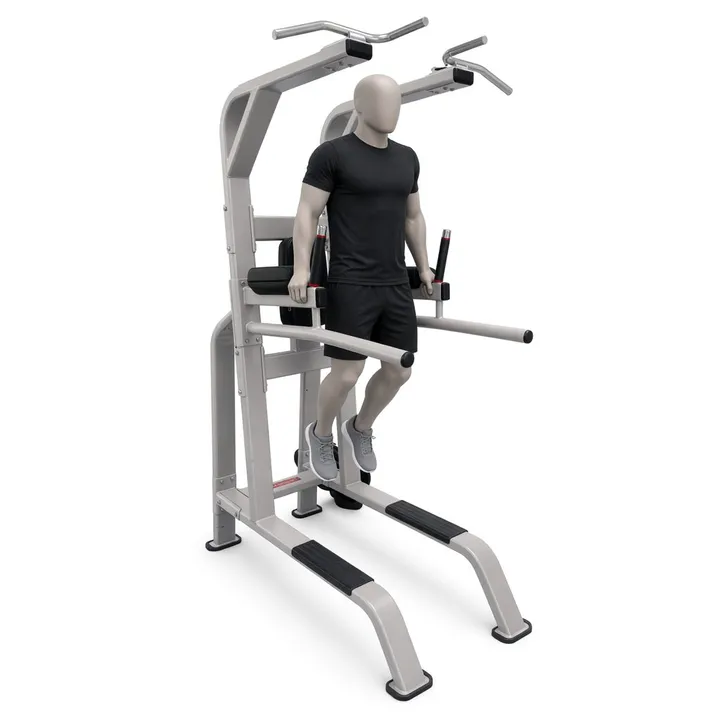
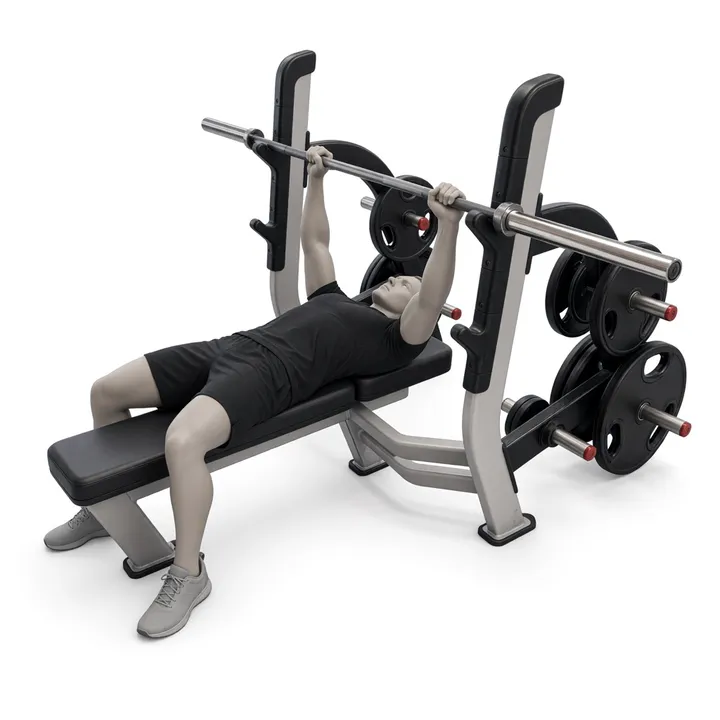
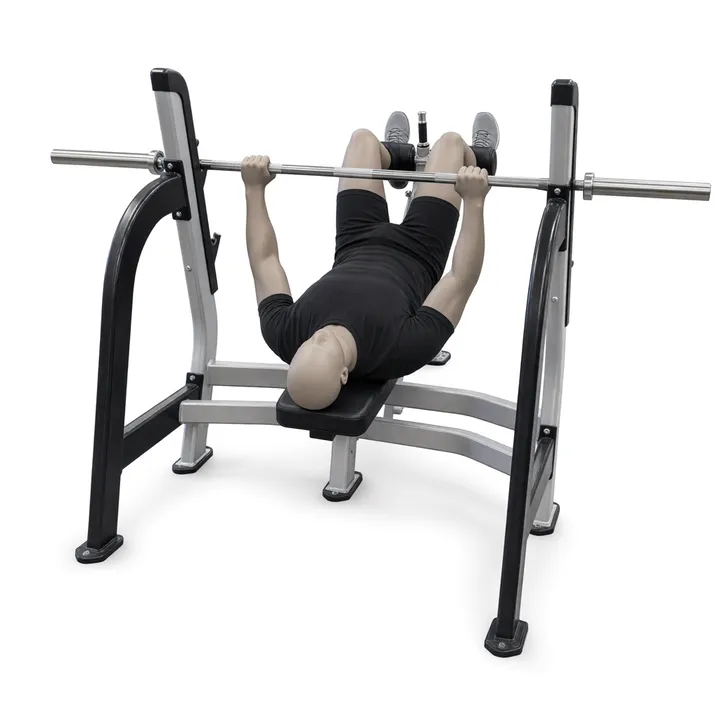
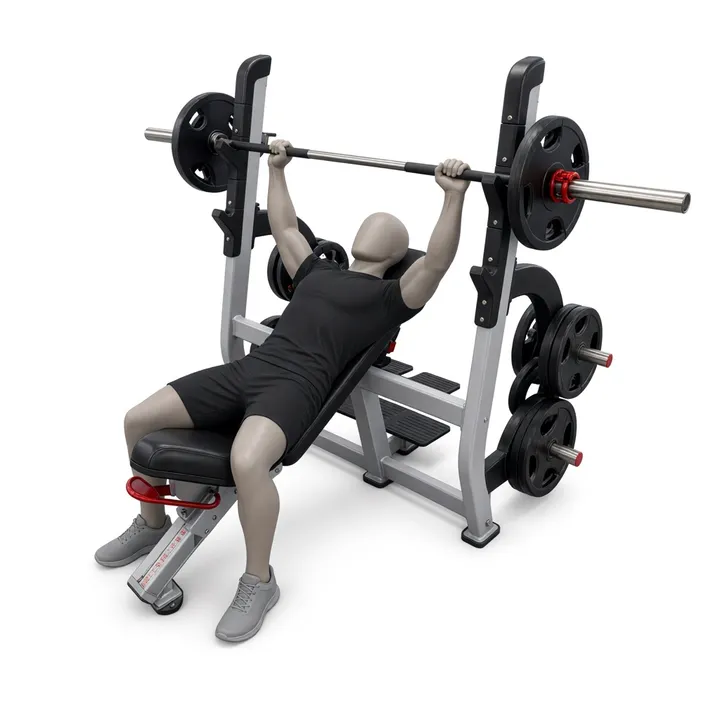
Log your Cable crossover sets with GoSet
GoSet remembers your last time, starts your rest on its own and notes your records. Even with no signal in the basement. Coming soon to iPhone and Android.
Common questions
Should I do cable crossovers before or after bench press?
In many routines, cable crossovers come after heavier exercises like barbell bench or incline press. That way you use lighter loads and finish the chest with more controlled work. The exact order depends on your overall plan.
Can I let the handles touch in front?
You can bring them very close, but try not to smash them together. The idea is to keep tension on the chest, pause briefly when the hands are close, then control the way back.
I mostly feel my shoulders, is that normal?
The chest and shoulders work together here. If you only feel shoulders, lower the weight, lean slightly forward, keep your chest up, and reduce the range so it doesn’t pull on the shoulder. If you feel pain, stop and talk to a professional.
Can I replace bench press with cable crossovers?
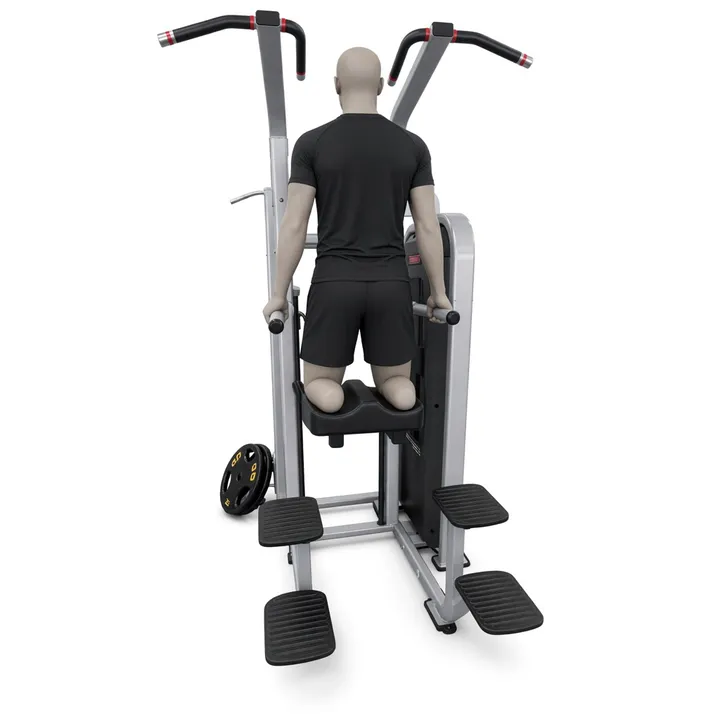
Many people use cable crossovers as a complement instead of a full replacement, since they focus on the chest with less overall load than a bench press. You can also rotate them with other chest exercises like assisted dips or incline barbell press, depending on your plan.