Exercise · Arms · One side at a time
Dumbbell triceps kickback
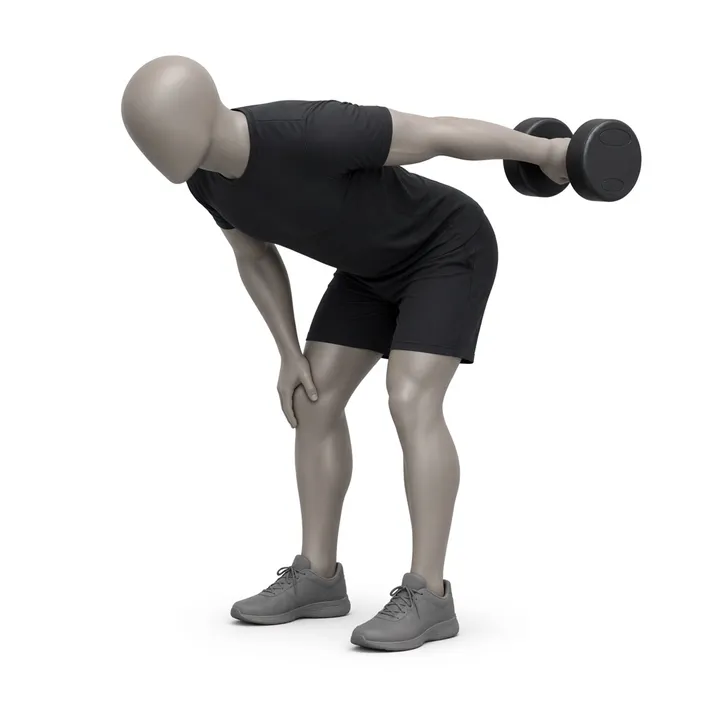
The dumbbell triceps kickback, or triceps kickback, mainly works your triceps, one arm at a time. It’s a solid move to feel the back of your arm without going heavy. Great as a finisher for push days or to add more triceps work with control.
Doable at all 76 gyms GoSet follows
The essentials
- Lean forward, upper arm against your side.
- Straighten your arm back, then return slowly.
Muscles worked
- Primary
- Triceps
How to do it
- Stand holding a dumbbell in one hand, feet solid on the floor. Slightly bend your knees and lean your torso forward with a neutral back.
- Keep your upper arm tight to your side, elbow bent around 90 degrees. Your forearm points down to the floor.
- Keep your torso stable. Inhale, then push the dumbbell straight back by extending your arm until the elbow is almost fully straight.
- Pause briefly with the arm extended, without bending your wrist or hiking your shoulder up.
- Lower the dumbbell under control for 2 to 3 seconds, bringing the forearm back down until the elbow is bent again.
- Do all your reps on one side, then switch arms. Keep the same torso angle and elbow position for the whole set.
Common mistakes
Moving the shoulder instead of the forearm
Instead : Think about locking your upper arm to your side. The movement should only happen at the elbow. Slow down and use a lighter weight if everything starts swinging.
Standing up more and more during the set
Instead : Keep your torso leaned at the same angle from start to finish. Set your feet a bit wider and choose a weight you can control without losing your position.
Arching or rounding the lower back
Instead : Set your posture before you start: neutral back, brace your midsection, eyes looking at the floor a few feet ahead. If your back starts to move, drop the weight.
Throwing the dumbbell back with momentum
Instead : Aim for about 1 second up and 2 to 3 seconds down. Your arm should stay under control, with no jerking or bouncing at the top.
Coach tips
- You can place your free hand and one knee on a bench for extra stability, especially when you’re learning the movement.
- Breathe steadily: inhale as you bring the dumbbell down, exhale as you extend your arm back.
- Keep your elbow slightly higher than your torso to feel your triceps more, but avoid lifting your shoulder toward your ear.
- Start light to master the form, then build up the weight once you can keep your torso and elbow position solid.
Variations
- Bench-supported one-arm kickback: one hand and knee on the bench, the other foot on the floor for more stability.
- Two-dumbbell kickback: both arms work at the same time while standing bent over, useful once you’re comfortable with your balance.
Sets and reps
This exercise often shows up for 2 to 4 sets of 10 to 15 reps per arm, usually toward the end of a push workout or as extra triceps work.
Equipment
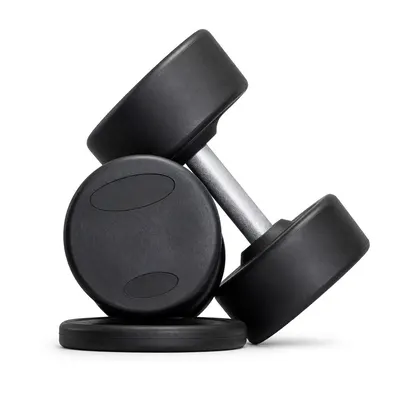
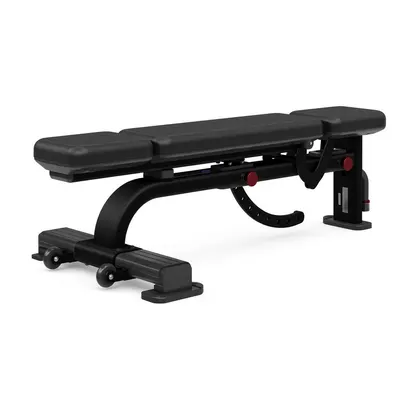
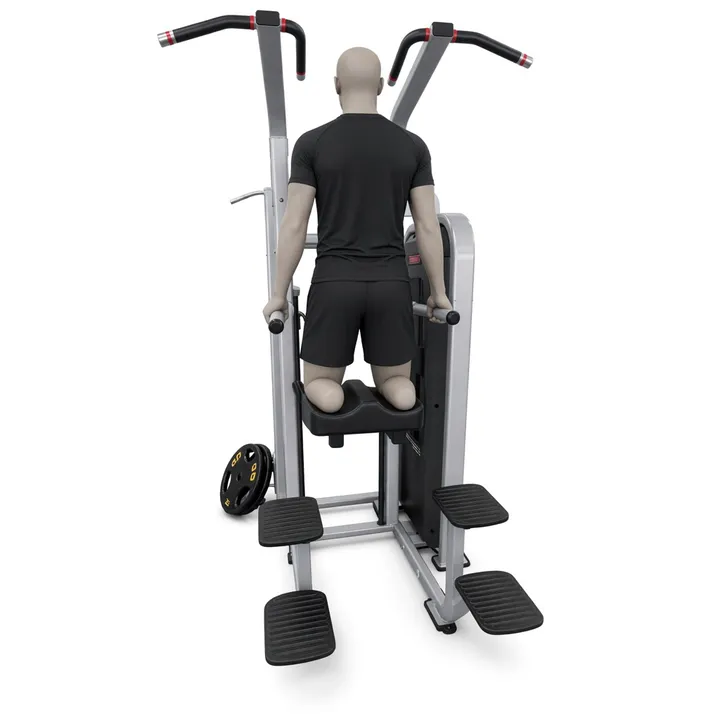
Alternatives for the same muscles
Log your Dumbbell triceps kickback sets with GoSet
GoSet remembers your last time, starts your rest on its own and notes your records. Even with no signal in the basement. Coming soon to iPhone and Android.
Common questions
How far should I lean forward for the kickback?
Lean far enough that your torso is closer to horizontal than upright, while keeping a neutral back. The idea is to have your upper arm roughly parallel to the floor when you extend.
Can I use some momentum so I can go heavier?
For this one, the goal is control. If you need big torso swings or your shoulder is jumping up, the weight is too heavy. Slightly lighter with steady tension on the triceps works better here.
My lower back feels tired in the bent-over position, is that normal?
You might feel it working to hold your position, but you shouldn’t feel pain. If you do, stop the exercise and talk to a professional. Using a bench to support one hand and one knee can also reduce the strain on your back.
Does the kickback replace other triceps exercises?
It’s a good add-on to target your triceps with moderate weight, but many people also keep dips or triceps extensions with dumbbells or machines to handle heavier loads.