Machine
Dumbbells at the gym: pick, hold, move in control
You’ll see dumbbells everywhere in your gym, and you can use them for almost any area of your body. They work well seated, standing, or on a bench. They’re super flexible, whether you’re just starting or already experienced.
At all 76 gyms GoSet follows
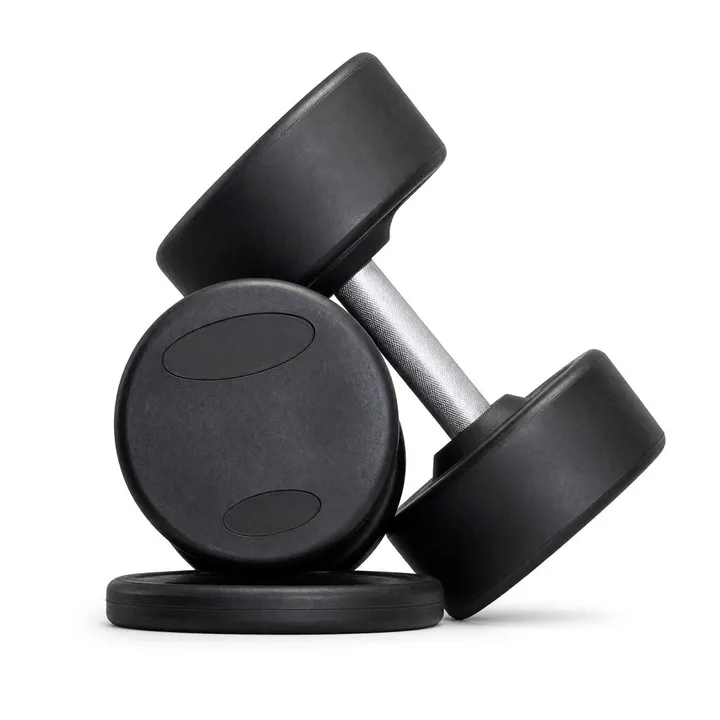
The essentials
- Start with palms facing you in front of your shoulders.
- Rotate your wrists as you press up.
Muscles worked
- Primary
- —
Setup
- Find the dumbbell rack and make sure each pair has the same weight marked on both sides.
- Start with a lighter weight to test your control, then go up slowly in small jumps (about 2 kg or 5 lb at a time).
- Make sure you have enough space around you so you don’t hit anyone or any machine when you move.
- If you’re using a bench (for a press, chest-supported row, etc.), set the angle before you pick up the dumbbells.
- Pick up dumbbells by bending your knees and keeping your back as neutral as you can, instead of rounding forward and reaching down.
How to do it
- Get into position for your exercise (standing, seated, or lying on a bench) before you bring the dumbbells into the starting position of the movement.
- Hold the dumbbells with a firm, comfortable grip and keep them close to your body when you change position or get on the bench.
- Do the planned movement (for example a press, curl, goblet squat, or lunge) with control through the full range, avoiding sudden swings.
- Use a steady rhythm: lift or press the dumbbells in a controlled way, then lower them slightly slower.
- Keep your breathing relaxed, without holding your breath: usually you breathe out on the hardest part of the effort and in on the way back.
- At the end of the set, bring the dumbbells close to your body, sit up or move toward the rack, then set them down on the floor or rack under control instead of dropping them on your legs or the bench.
Common mistakes
Grabbing or dropping dumbbells carelessly
Instead : Bend your knees, keep the dumbbells close to your body and your back as neutral as you can when picking up or setting down, instead of rounding over or letting them fall.
Swinging the dumbbells with momentum
Instead : Slow the movement down and pick a weight you can control from start to finish. Focus on a stable path, without using your hips or back to throw the weight up.
Weight too heavy just to get into position
Instead : If just lying down on the bench or standing up with the dumbbells feels like a struggle, go down a notch. You want to handle the dumbbells calmly even before the set starts.
Walking too far around the gym with dumbbells
Instead : Do your exercises close to the rack or bench you’re using. When you walk, keep the dumbbells close to your body with a slight bend in your arms to stay in control.
Coach tips
- Use the fact that dumbbells go up in steps of about 2 kg or 5 lb to progress slowly from session to session.
- For overhead work (like shoulder presses or overhead triceps extensions), set yourself up seated or standing before you lift the dumbbells above your head.
- On bench or floor moves (bench press, hip thrust, pullover), always think about how you’ll bring the dumbbells down safely before you start your set.
- If you’re unsure about what weight to use for a new exercise, do a short test set with lighter dumbbells and only go heavier if you keep solid control.
Variations
- You can do many exercises one arm or one leg at a time (one-arm row, Bulgarian split squat, lunges), which lets you focus on one side at once.
- Dumbbells work well for walking movements like walking lunges or step-ups, which also challenge your balance.
- You can hold a single dumbbell with both hands for exercises like a goblet squat or some pullovers, handy when pairs are missing on the rack.
Sets and reps
With dumbbells, you’ll often see something like 3 sets of 8 to 12 reps for upper body work, and sometimes fewer reps with heavier weight for leg exercises. Some people also use lighter dumbbells for longer sets to work more on endurance.
Exercises on this machine
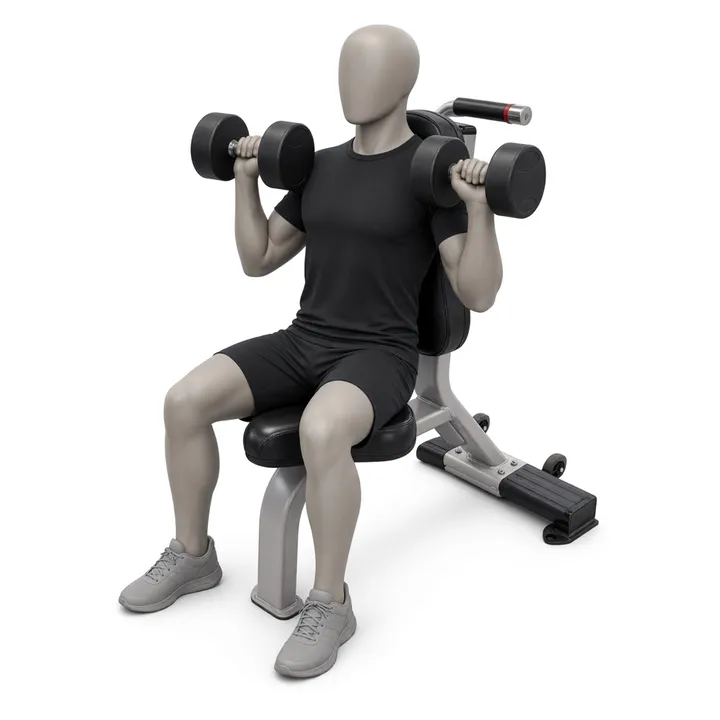 Arnold pressShoulders
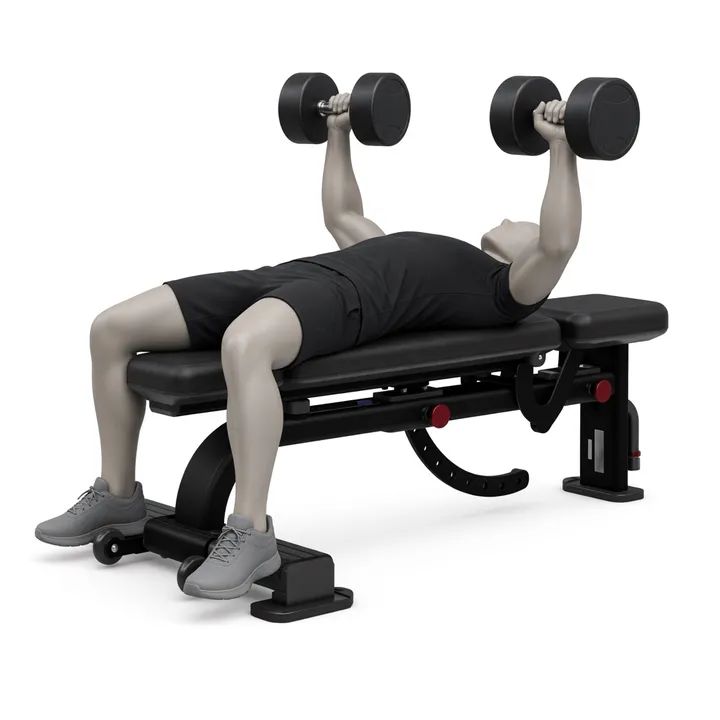 Dumbbell bench pressChest
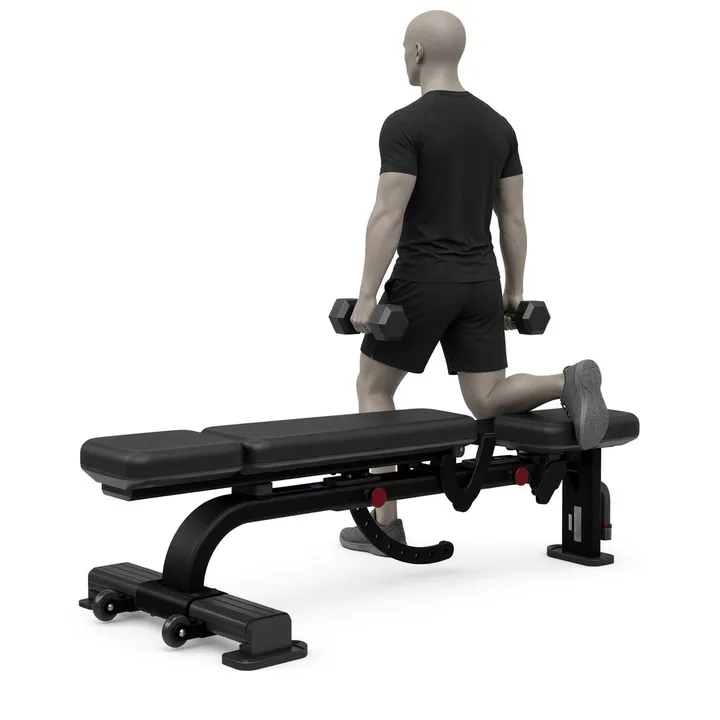 Dumbbell Bulgarian split squatQuadriceps · Glutes
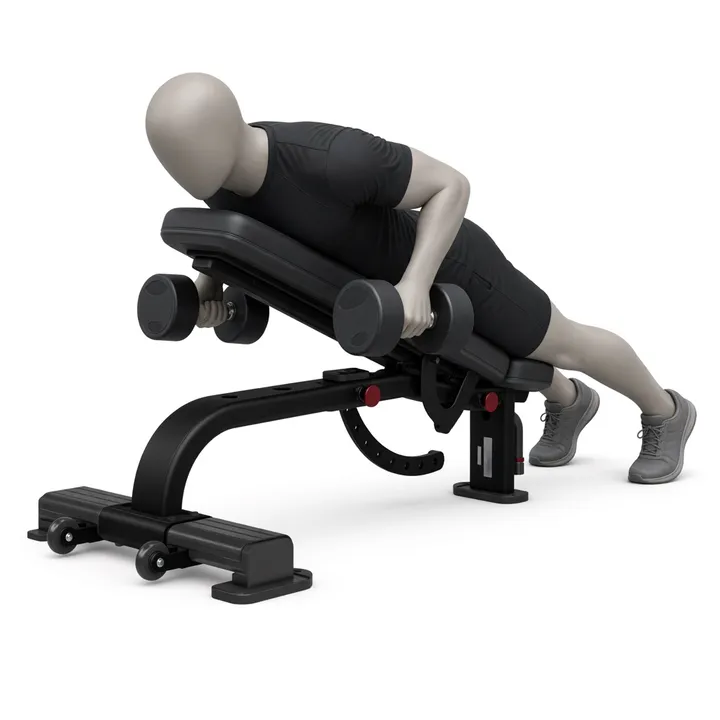 Chest-supported dumbbell rowBack
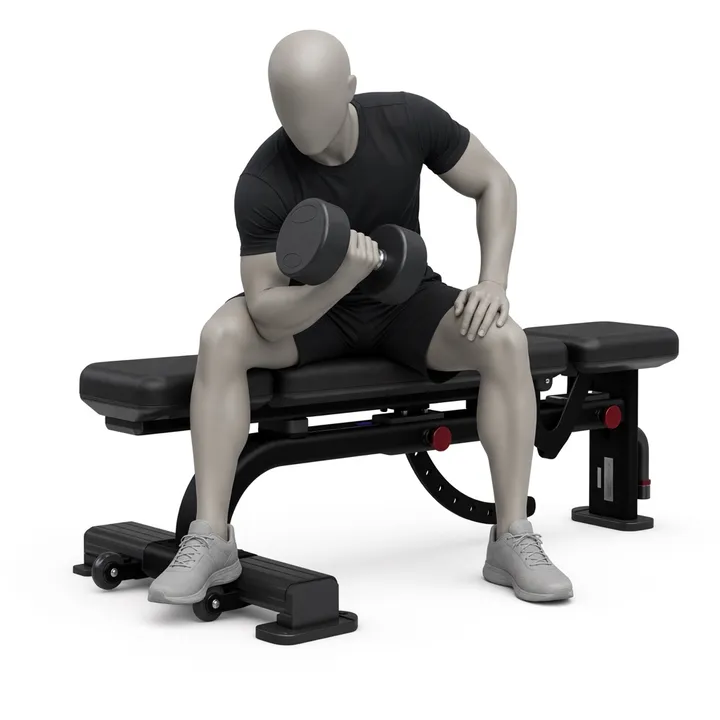 Concentration curlBiceps
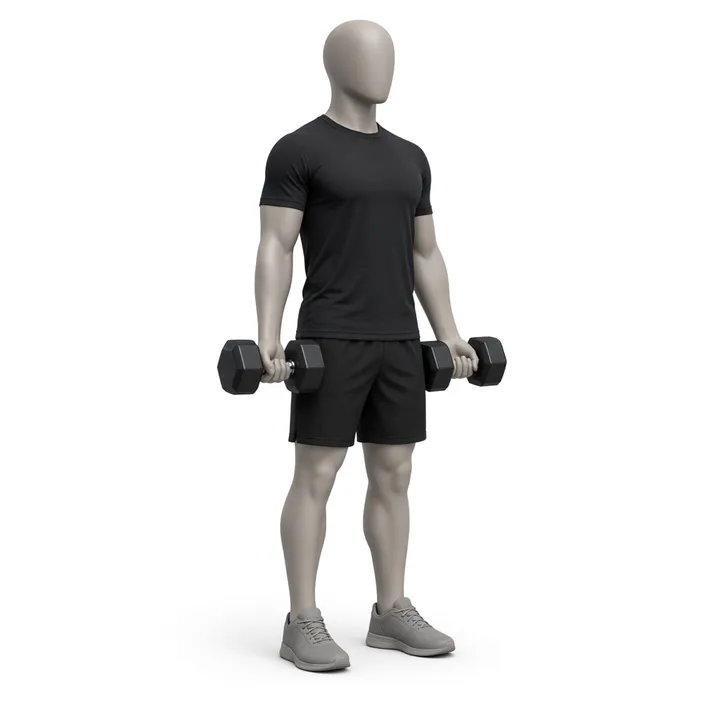 Dumbbell curlBiceps
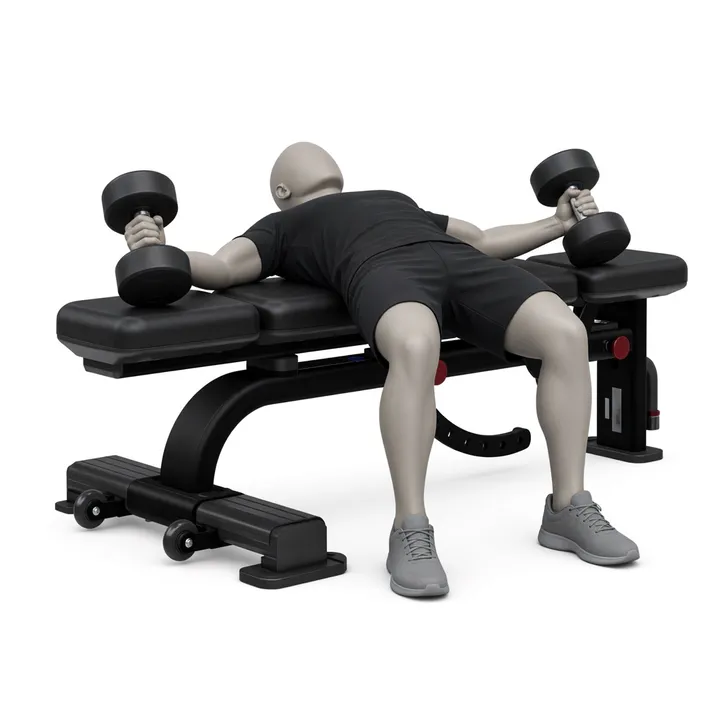 Dumbbell flyChest
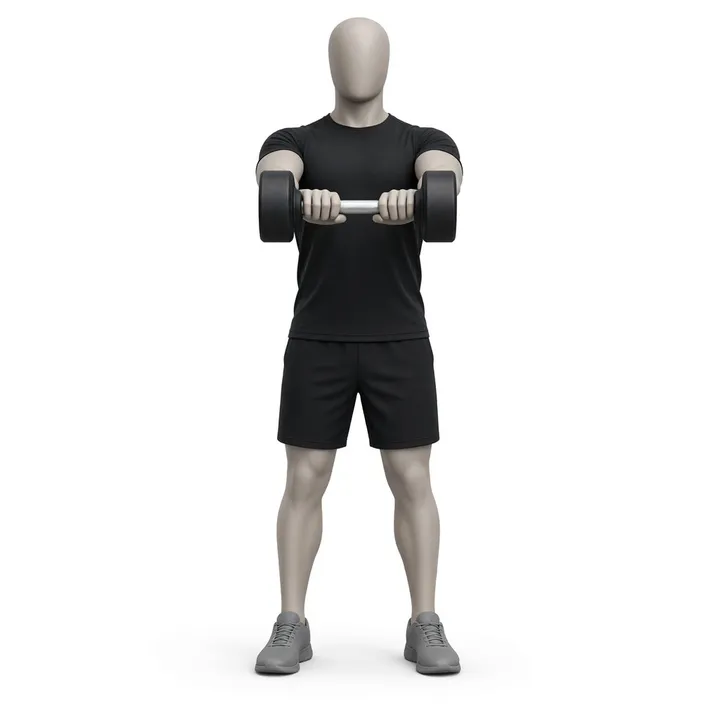 Dumbbell front raiseShoulders
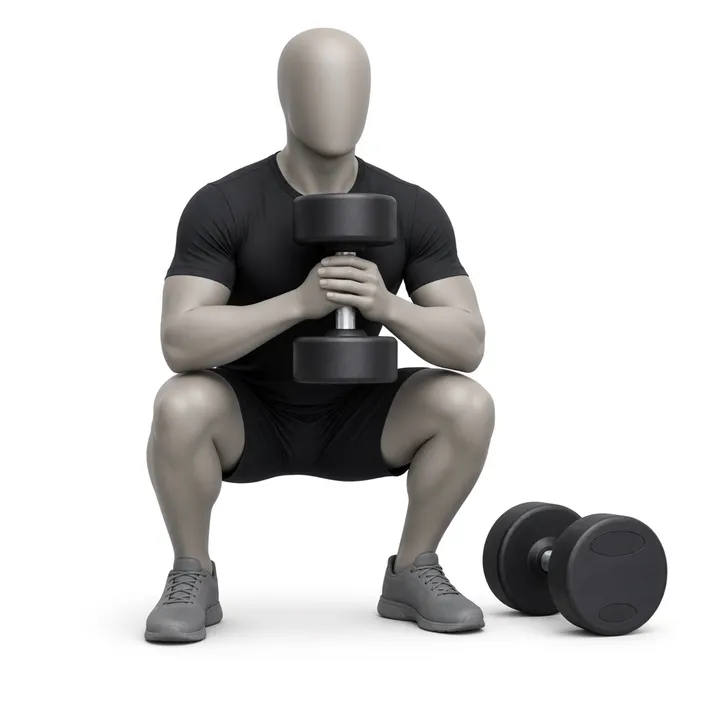 Goblet squatQuadriceps · Glutes
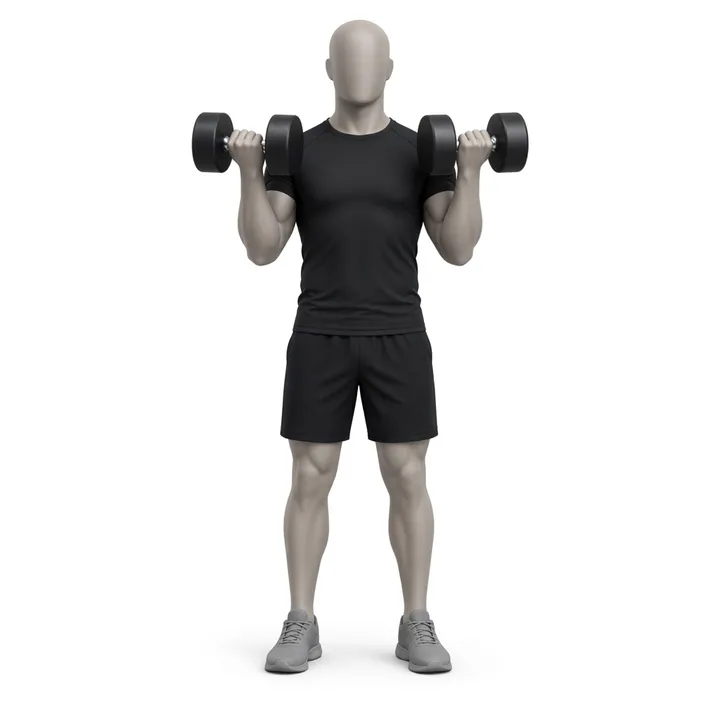 Dumbbell hammer curlBiceps
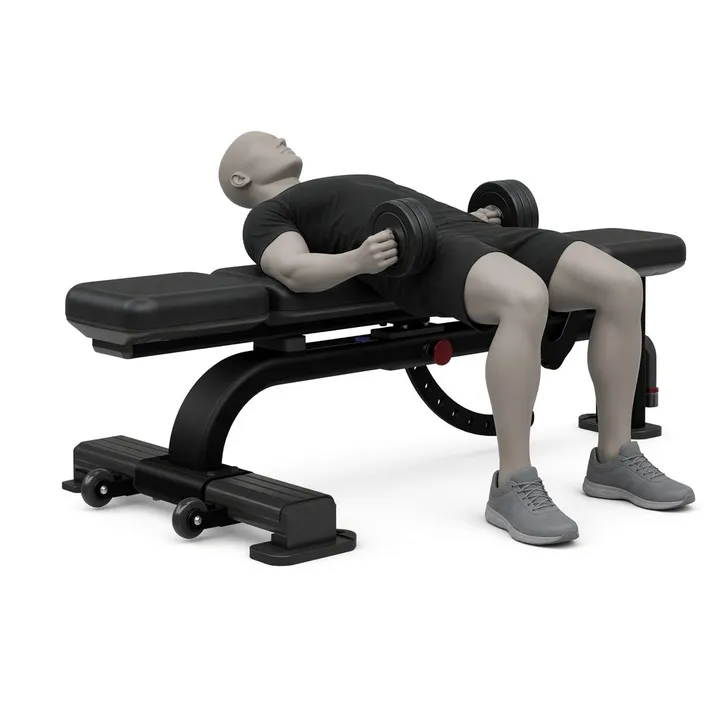 Dumbbell hip thrustGlutes
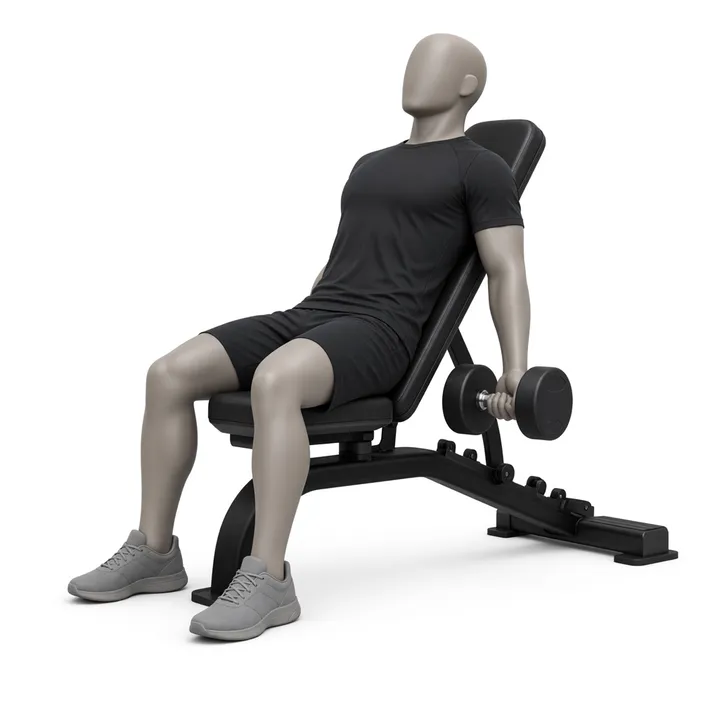 Incline dumbbell curlBiceps
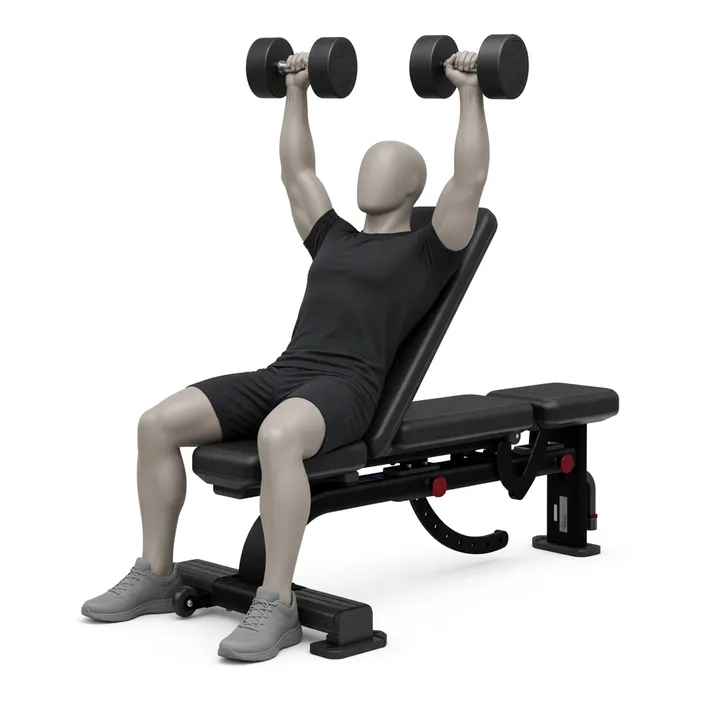 Incline dumbbell pressChest
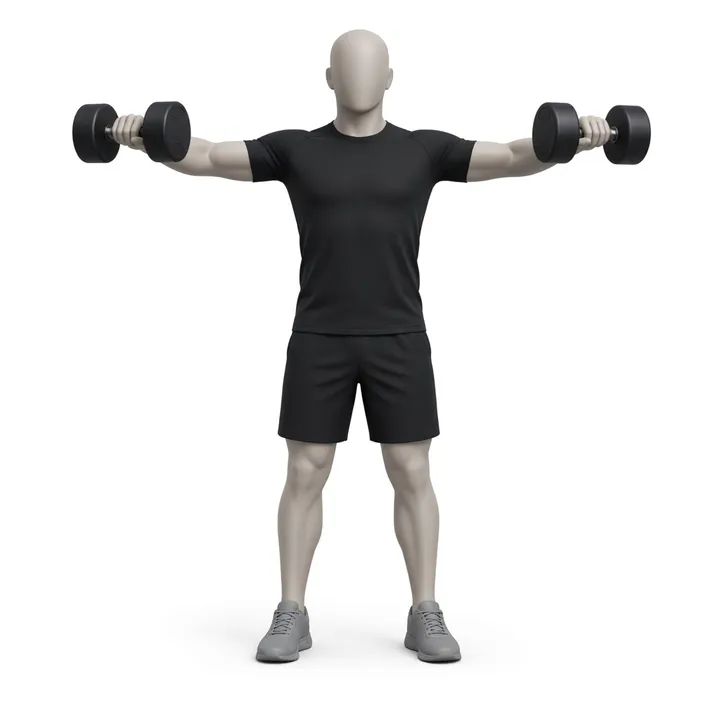 Dumbbell lateral raiseShoulders
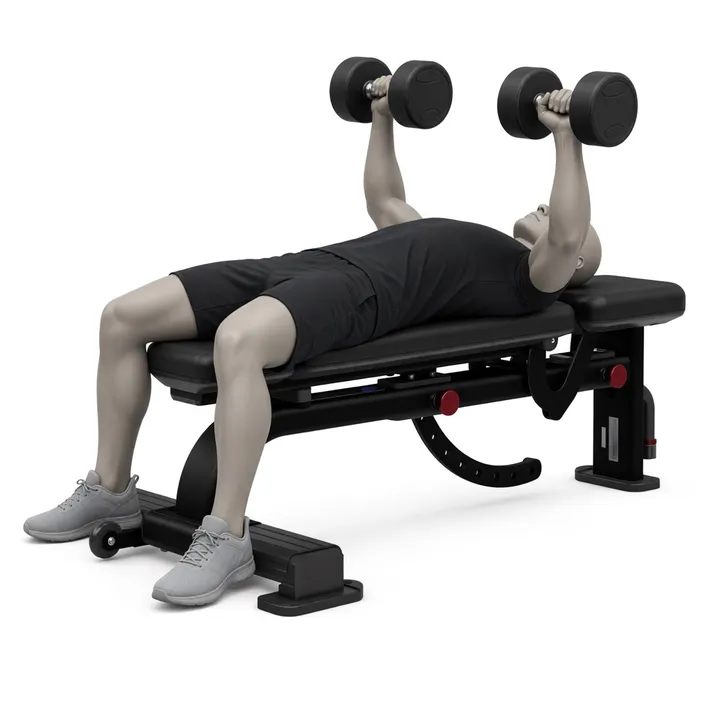 Lying dumbbell triceps extensionTriceps
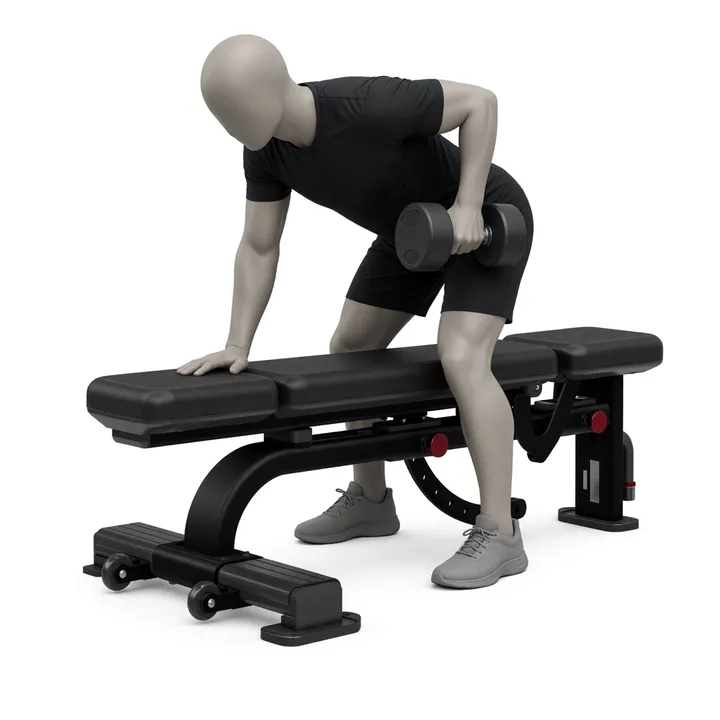 One-arm dumbbell rowBack
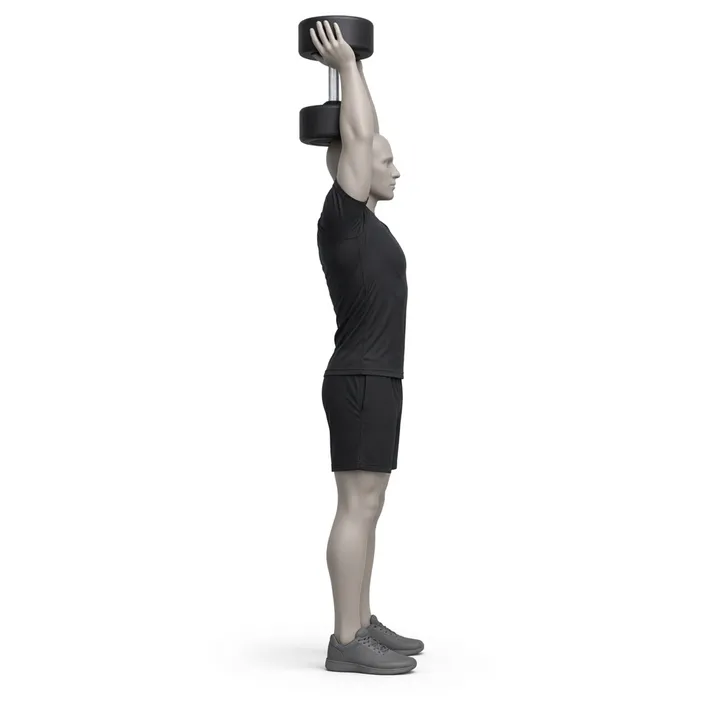 Overhead dumbbell triceps extensionTriceps
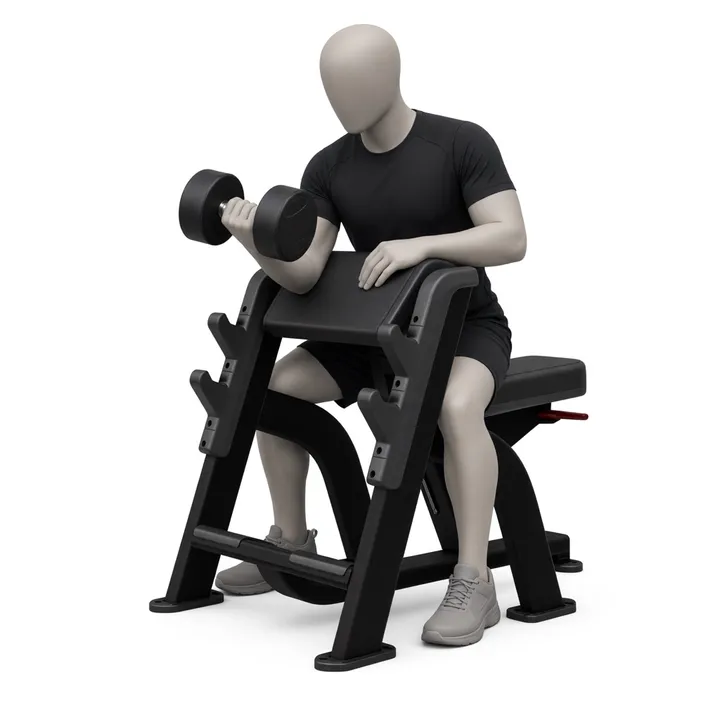 Dumbbell preacher curlBiceps
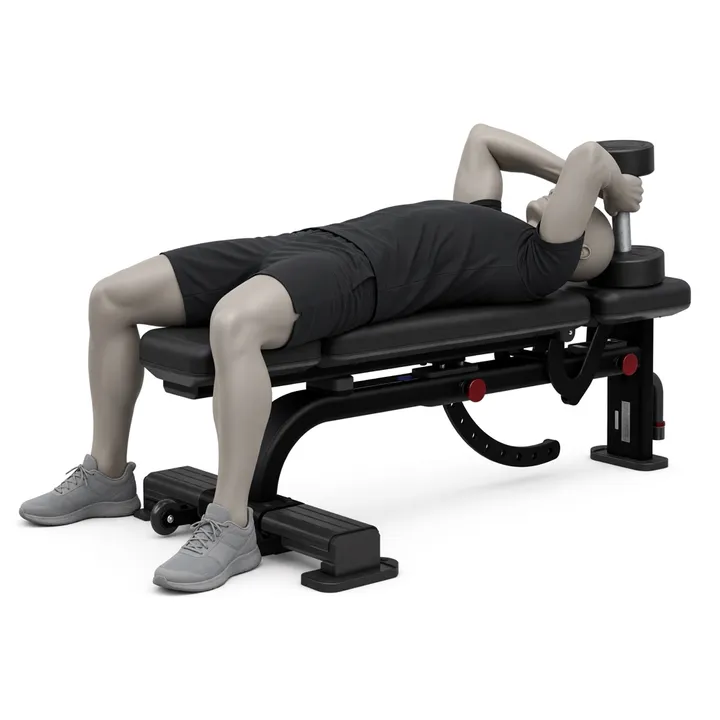 Dumbbell pulloverChest · Back
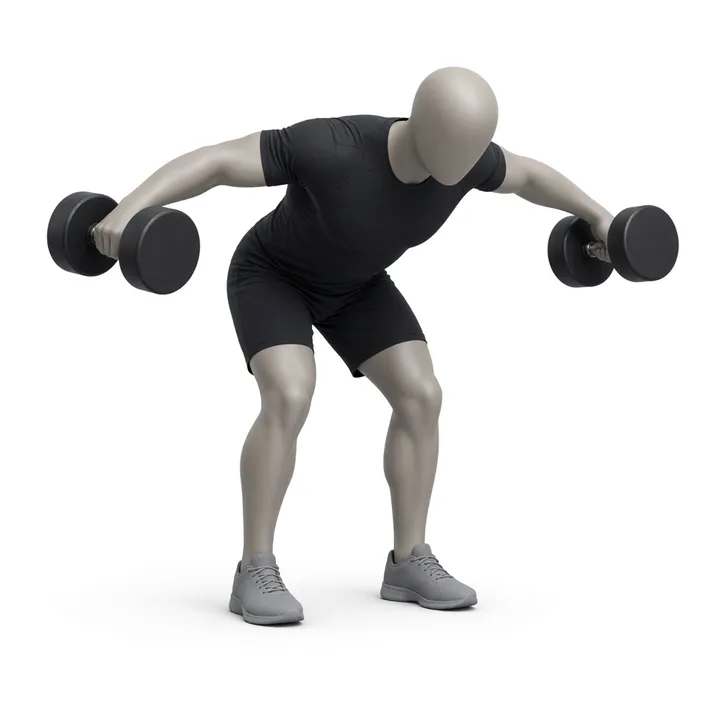 Dumbbell reverse flyShoulders
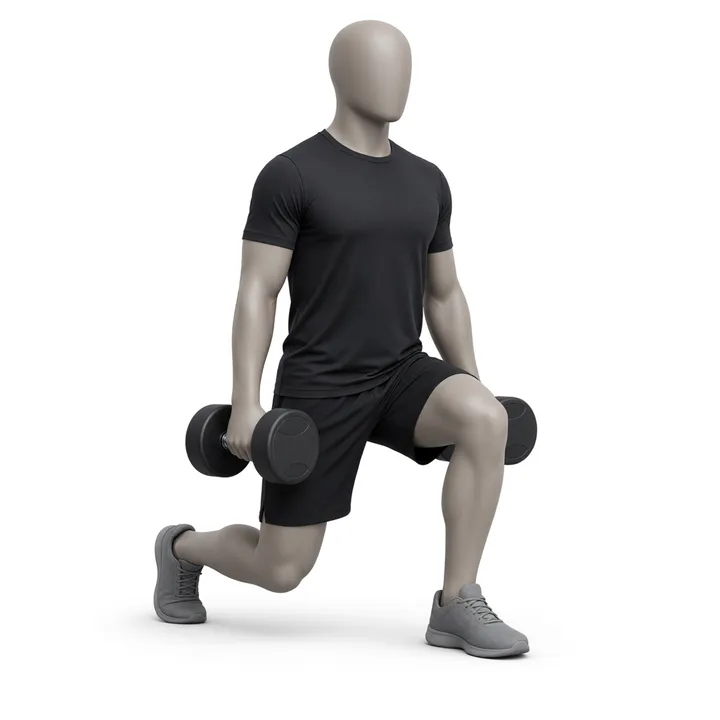 Dumbbell reverse lungeQuadriceps · Glutes
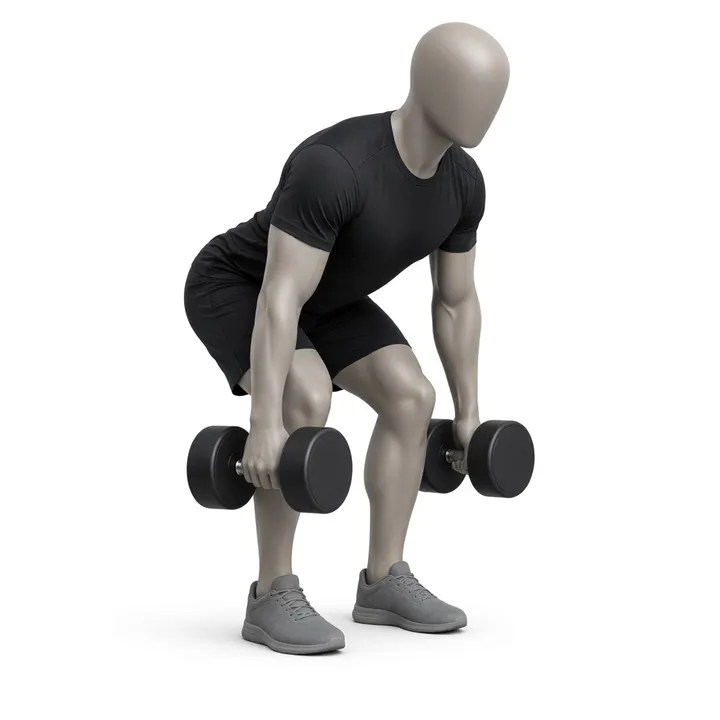 Dumbbell Romanian deadliftHamstrings · Glutes
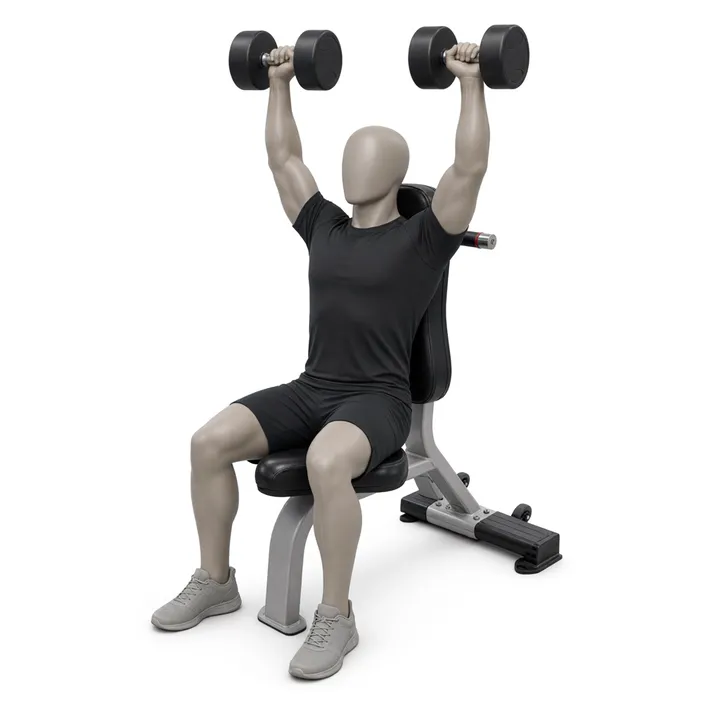 Seated dumbbell shoulder pressShoulders
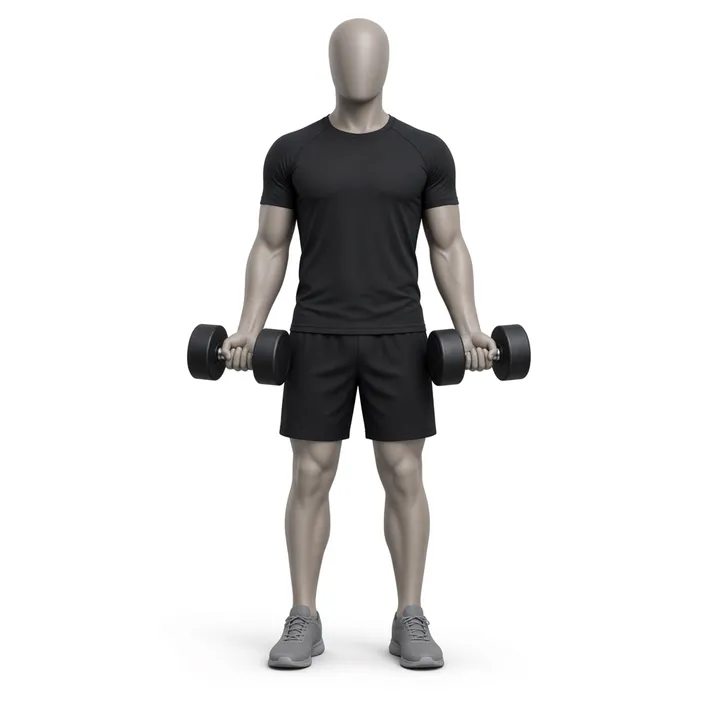 Dumbbell shrugTraps
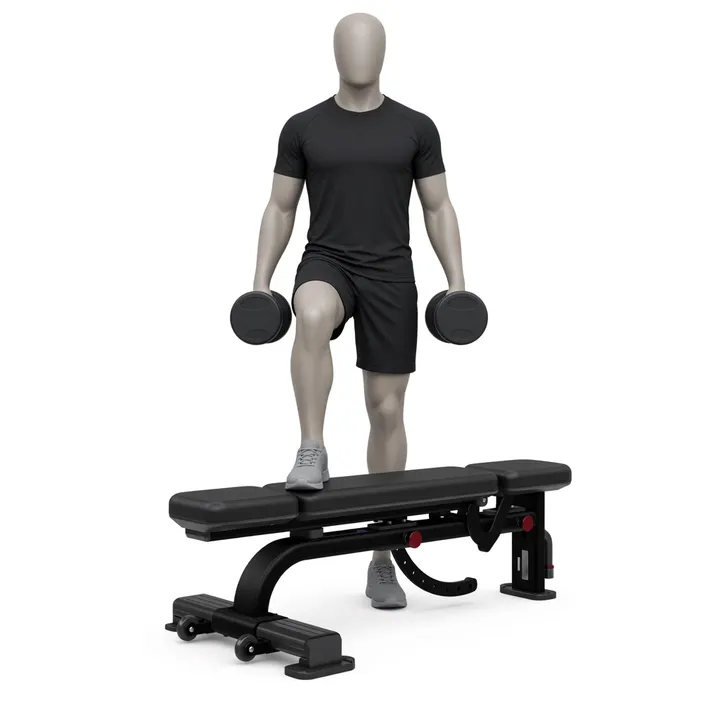 Dumbbell step-upQuadriceps · Glutes
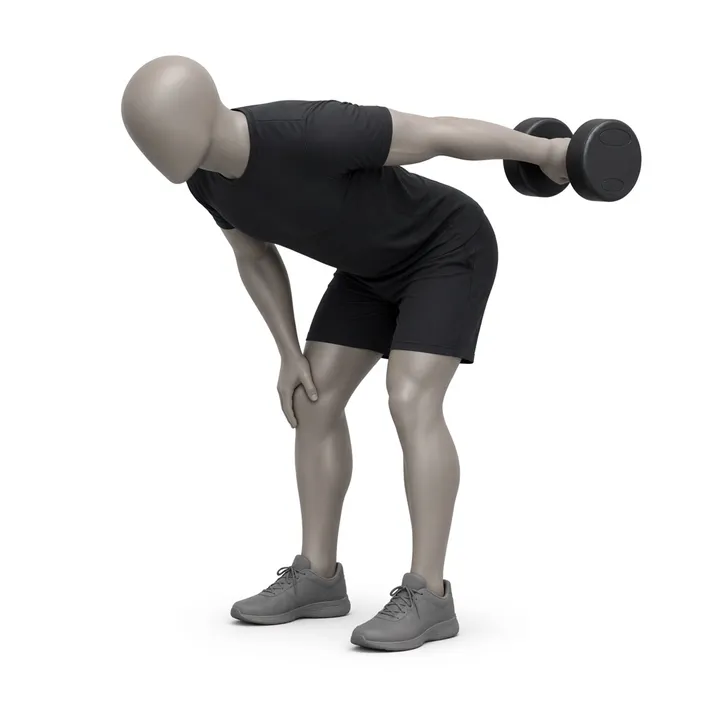 Dumbbell triceps kickbackTriceps
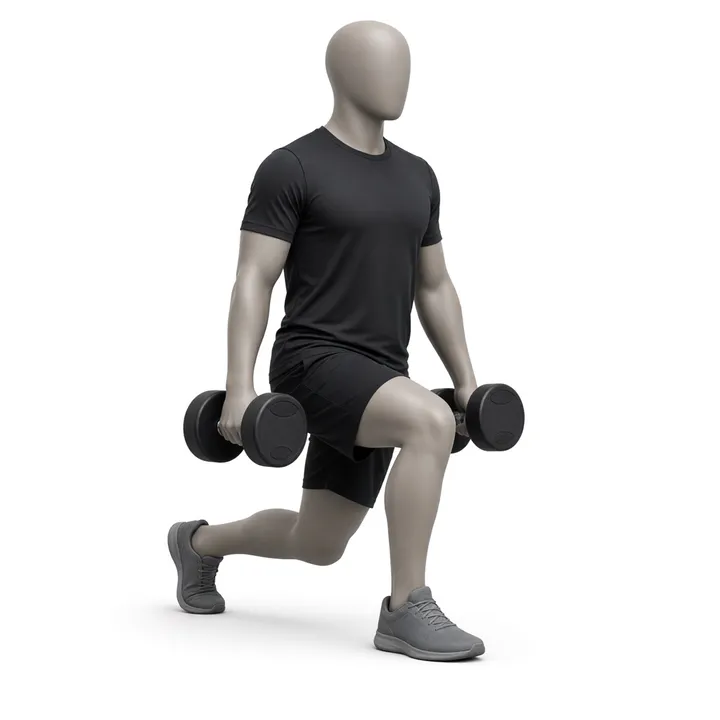 Dumbbell walking lungeQuadriceps · Glutes
Log your Dumbbells sets with GoSet
GoSet remembers your last time, starts your rest on its own and notes your records. Even with no signal in the basement. Coming soon to iPhone and Android.
Common questions
I’m new, what dumbbell weight should I start with?
Start with a weight that feels easy to moderate on your first exercises, then increase in small jumps of about 2 kg or 5 lb. The goal is to keep the movement controlled with no swinging, and to be able to set the dumbbells down calmly at the end of the set.
Can I do everything with dumbbells or do I need machines too?
With dumbbells you can already cover a lot: bench and incline presses, curls, triceps work, goblet squats, lunges, rows, hip thrusts, shoulder raises, and more. Some people add machines, others do almost everything with dumbbells. It mostly depends on what you like and what your gym has.
Do most gyms have dumbbells?
Yes, dumbbells are in virtually all gyms tracked by GoSet in Québec. They’re one of the most basic pieces of equipment, so it’s worth getting comfortable with them.
I feel a sharp or odd pain on a dumbbell exercise, what should I do?
Stop that exercise right away and set the dumbbells down under control. Talk about it with a health professional or other specialist before you keep pushing on that area.