Exercise · Back · One side at a time
One-arm dumbbell row on bench
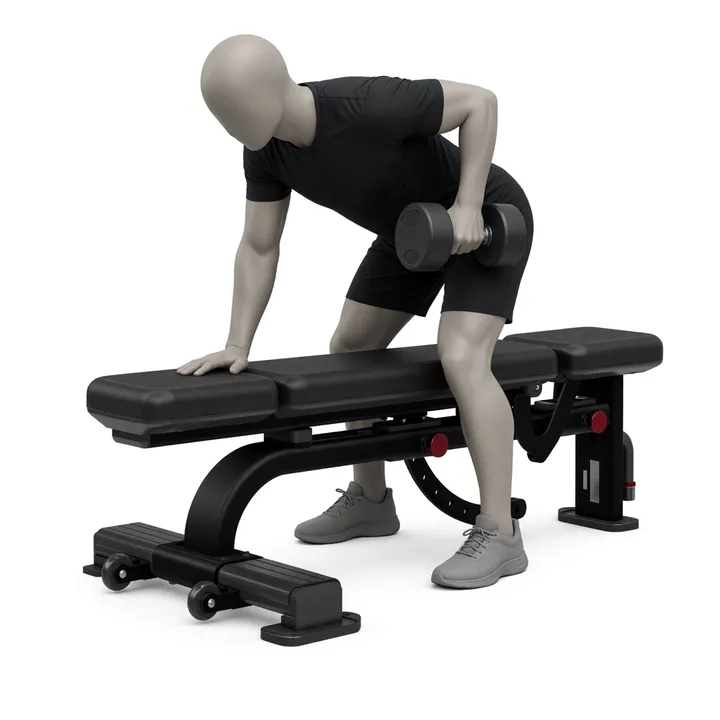
The one-arm dumbbell row is a classic back exercise that also gives your biceps some work. You support yourself on a bench with one hand and one knee while the other hand holds the dumbbell. It’s a good pick if you want to focus on one side at a time and tighten up your technique.
Doable at all 76 gyms GoSet follows
The essentials
- Hand and knee on the bench, flat back.
- Pull the dumbbell toward your hip.
- Do all reps on one side, then switch.
Muscles worked
- Primary
- Back
- Secondary
- Biceps
How to do it
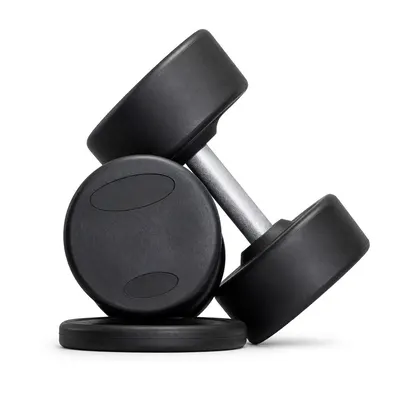
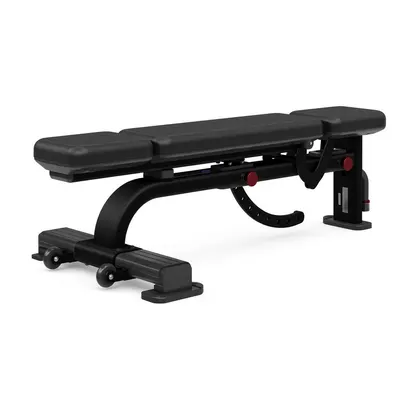
- Place a dumbbell on the floor beside a bench. Put one knee and the same-side hand on the bench, other foot on the floor, wide and stable.
- Keep your back flat, almost parallel to the floor, eyes looking at a spot on the ground a bit in front of you.
- Grab the dumbbell with your free hand, arm almost straight toward the floor, shoulder relaxed.
- Inhale, then pull the dumbbell toward your hip, keeping your elbow close to your body. Think about bringing your shoulder blade toward the middle of your back.
- Pause briefly at the top when the dumbbell is near your hip, without twisting your torso.
- Lower the dumbbell back toward the floor under control for about 2–3 seconds, then do all your reps on one side before switching arms.
Common mistakes
Rounding the back
Instead : Shift your hips slightly back, brace your abs a bit, and fix your eyes on a spot on the floor to help keep your back flat from start to finish.
Pulling toward the shoulder
Instead : Aim the dumbbell toward your hip. Picture sliding the dumbbell along your side instead of lifting it straight up toward the ceiling.
Twisting the torso to lift higher
Instead : Keep your hips and chest facing the floor. If you have to twist to get the dumbbell up, the weight is too heavy for now, so go lighter.
Using momentum and jerking the weight
Instead : Use a weight that lets you control the way up and especially the way down for 2–3 seconds, with no swinging from the bottom.
Coach tips
- Think about “pushing” into the bench with your support hand to lock in your back position before each set.
- Inhale as you pull the dumbbell toward your hip, then exhale slowly while you control the way down.
- If you lose your back position, stop, reset so your torso is parallel to the floor, and restart with a bit less weight.
- People often use 8–12 reps per arm so they can feel the back working without letting the form fall apart.
Variations
- Rowing with your torso more parallel to the floor to put more focus on the back.
- Rowing with only the knee of the working side on the bench (hand free) to challenge trunk stability a bit more.
Sets and reps
In strength training, you often see 3 sets of 8–12 reps per arm, with a controlled 2–3 second lowering phase. Some people go lighter with higher reps to focus on technique and on feeling the back and biceps doing the work.
Equipment
Alternatives for the same muscles
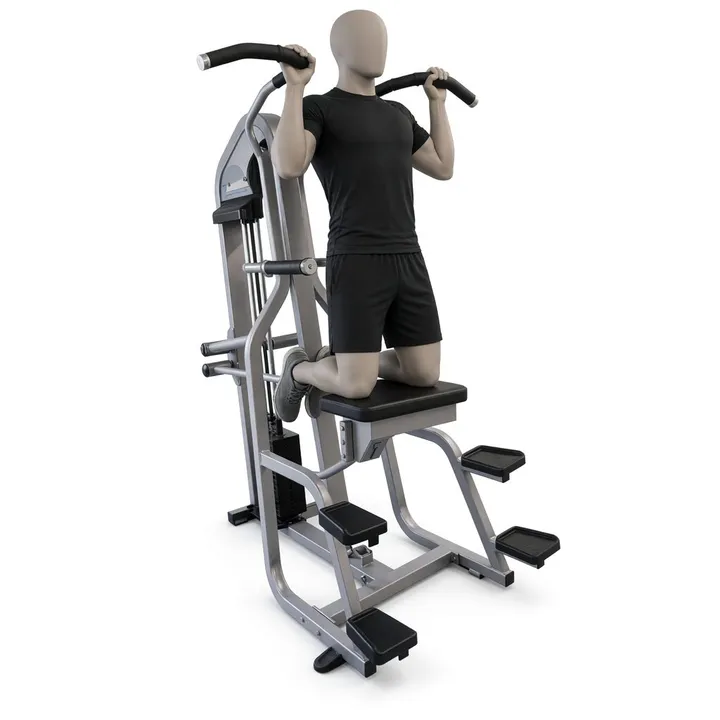
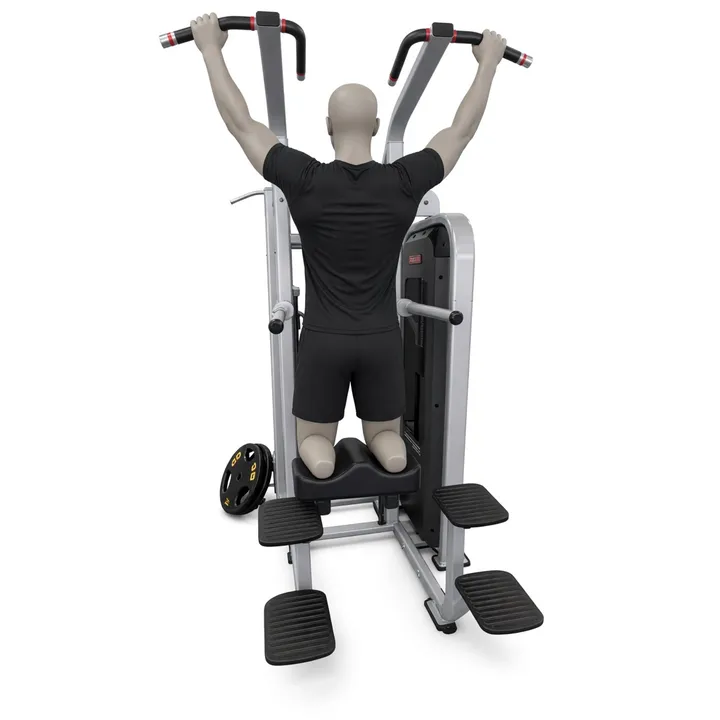
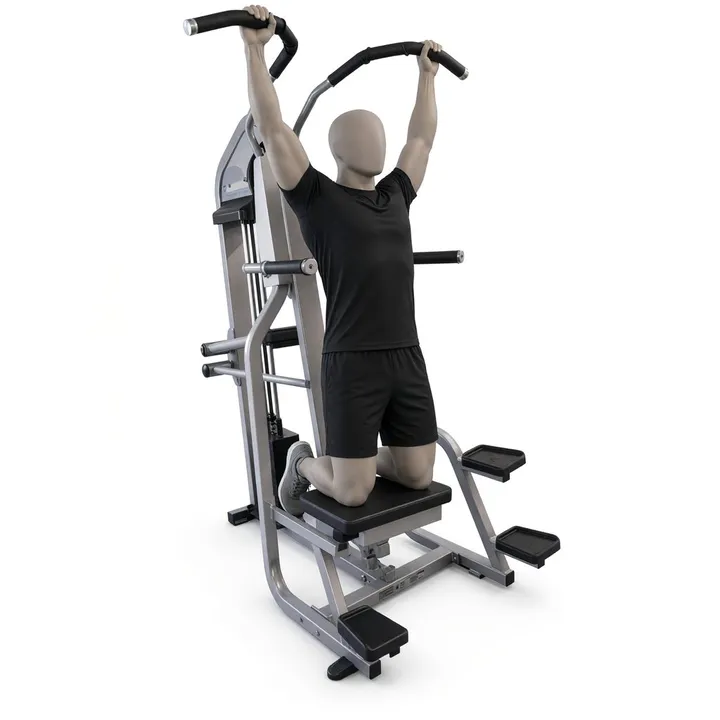
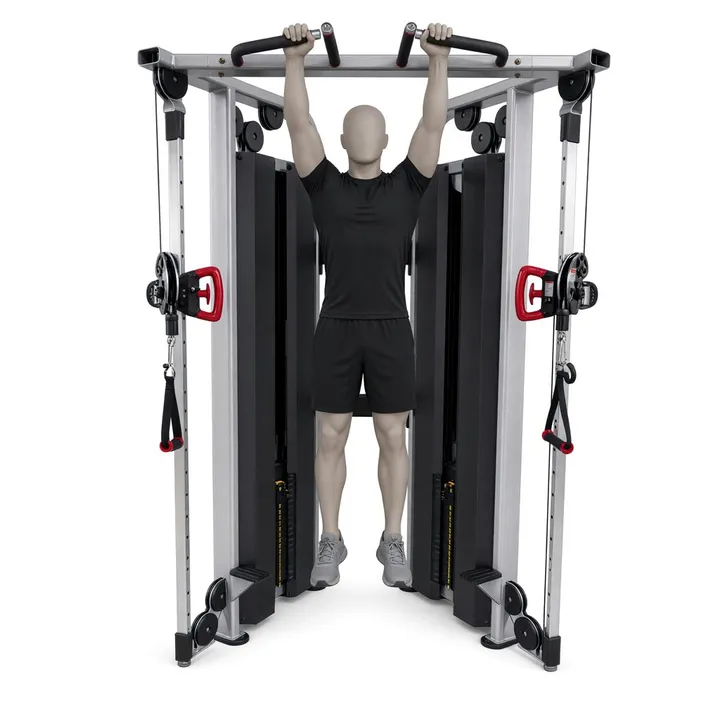
Log your One-arm dumbbell row sets with GoSet
GoSet remembers your last time, starts your rest on its own and notes your records. Even with no signal in the basement. Coming soon to iPhone and Android.
Common questions
What should I feel during the one-arm dumbbell row?
You should mainly feel your back working, with some effort in your biceps. If you feel pain in your lower back or anywhere else, stop the exercise and talk to a health or training professional.
How heavy should I go on the one-arm dumbbell row?
Pick a weight that lets you keep your back flat, pull toward your hip, and control the lowering without swinging. If the last few reps get very sloppy, it’s probably too heavy right now.
Can I do the one-arm dumbbell row without a bench?
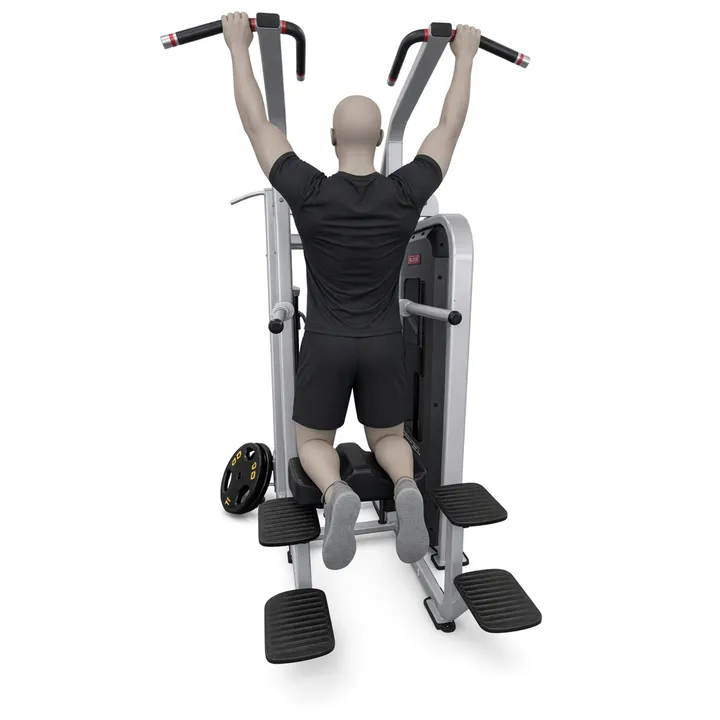
This exercise is described with your hand and knee on a bench for stability. If you don’t have a bench in your gym, you can choose one of the pulling alternatives in GoSet, like an assisted pull-up variation.
Should I do all my reps on one side or alternate arms?
It’s usually simpler to do all your reps on one side, rest, then switch arms. That way you can stay focused on your position and keep the form consistent on both sides.