Muscle group
Training your back at the gym
Your back helps you pull, stand tall and stabilize your upper body. You can train it with pull-ups, pulldowns, cable rows, barbell rows, dumbbells and machines. Whether you prefer guided machines or free weights, you’ll find something that fits what you like and what’s in your gym.
14 machines · 29 exercises
Coach tips
- Think "pull with your back", not your hands: grip the bar or handle firmly, but focus on driving your elbows back toward your body.
- Keep your chest up and your core lightly braced to ease stress on your lower back, especially on bent-over rows and landmine rows.
- Control the lowering phase for about 2–3 seconds instead of letting the weight drop. That makes your back work harder and helps protect your shoulders.
- Rotate grips over time (wide, close, neutral, underhand, overhand) to hit your back from different angles and find what feels good for you.
Machines
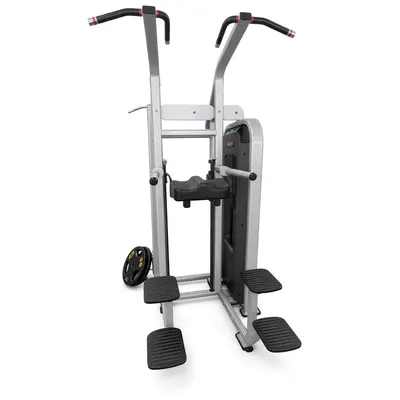 Assisted chin-up and dipAt all 76 gyms GoSet follows
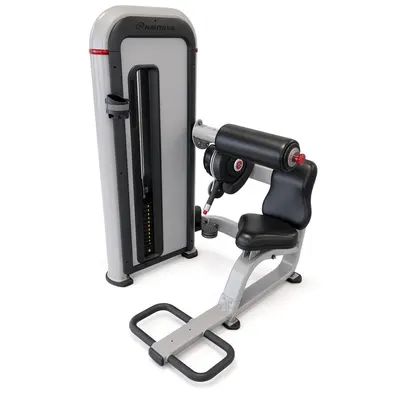 Back extensionAt all 76 gyms GoSet follows
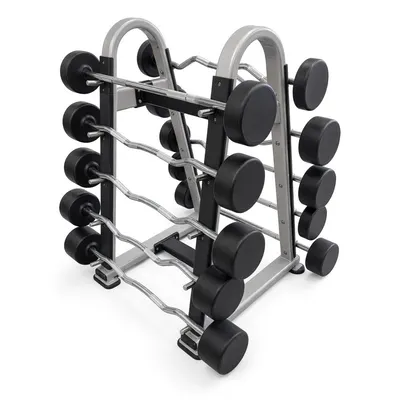 Fixed-weight barbellsAt all 76 gyms GoSet follows
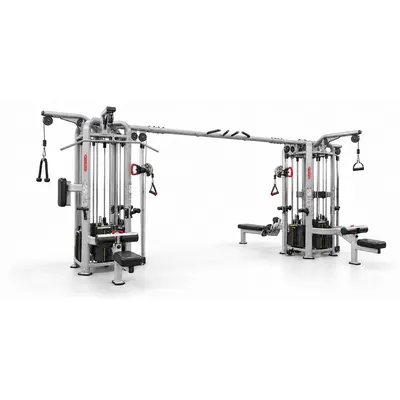 Multi-station cable machineAt 72 of the 76 gyms GoSet follows
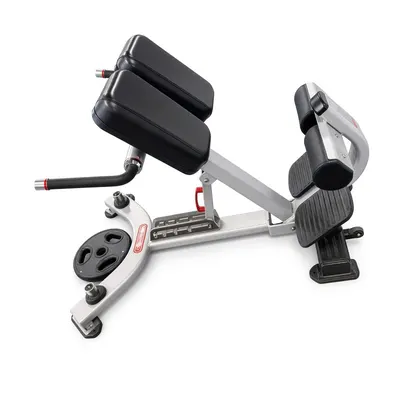 45° hyperextension benchAt all 76 gyms GoSet follows
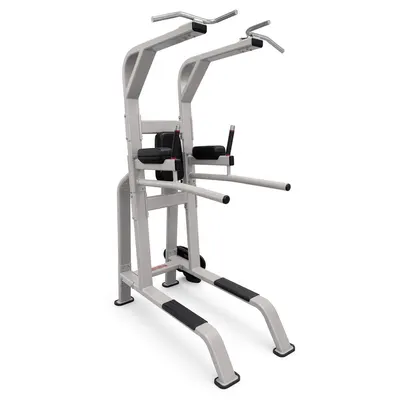 Power tower (pull-up, dip, knee raise)At all 76 gyms GoSet follows
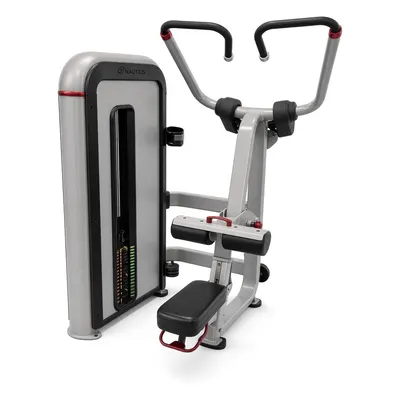 Lat pulldownAt all 76 gyms GoSet follows
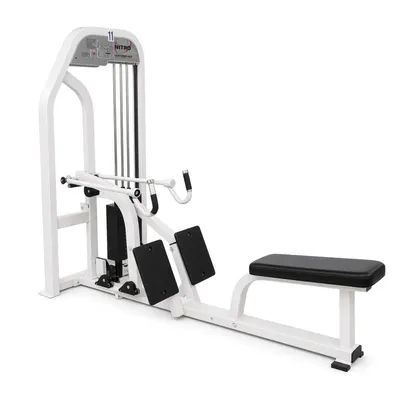 Chest-supported row machineAt all 76 gyms GoSet follows
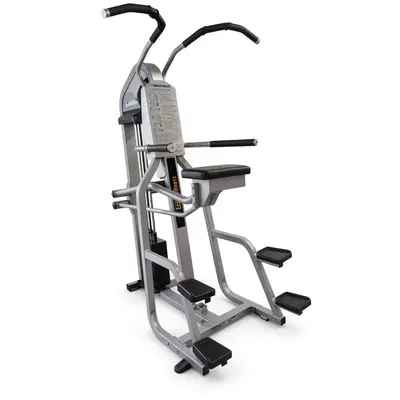 Assisted pull-up and dip (knee pad)At all 76 gyms GoSet follows
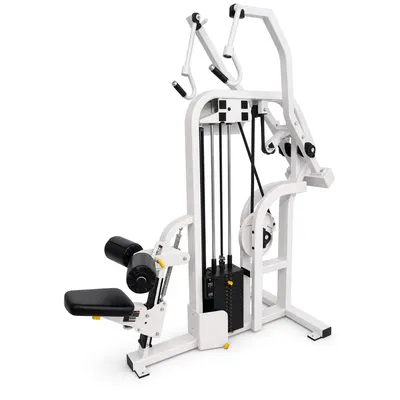 Independent-arm lat pulldownAt all 76 gyms GoSet follows
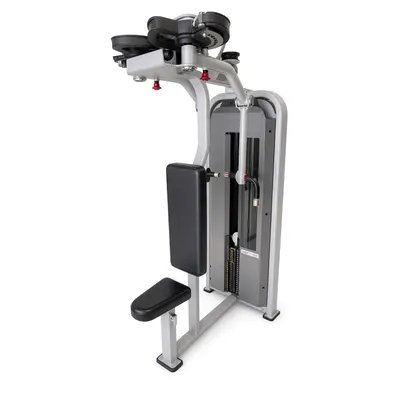 Rear deltoid flyAt all 76 gyms GoSet follows
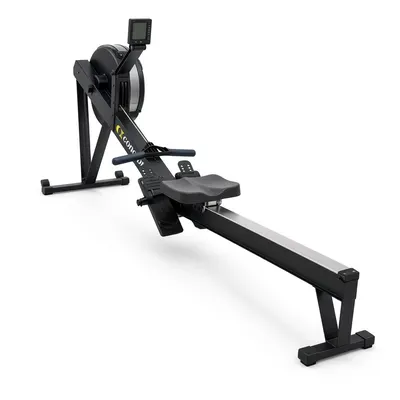 Rowing machineAt all 76 gyms GoSet follows
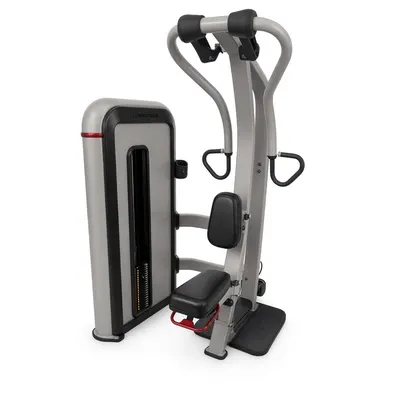 Seated rowAt all 76 gyms GoSet follows
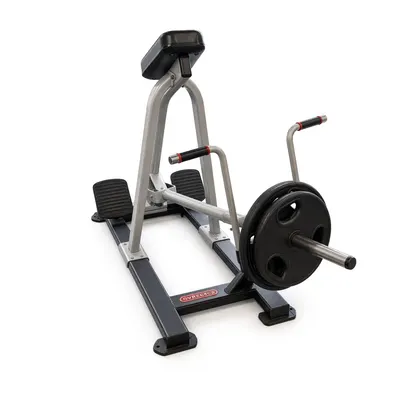 T-bar rowAt all 76 gyms GoSet follows
Exercises
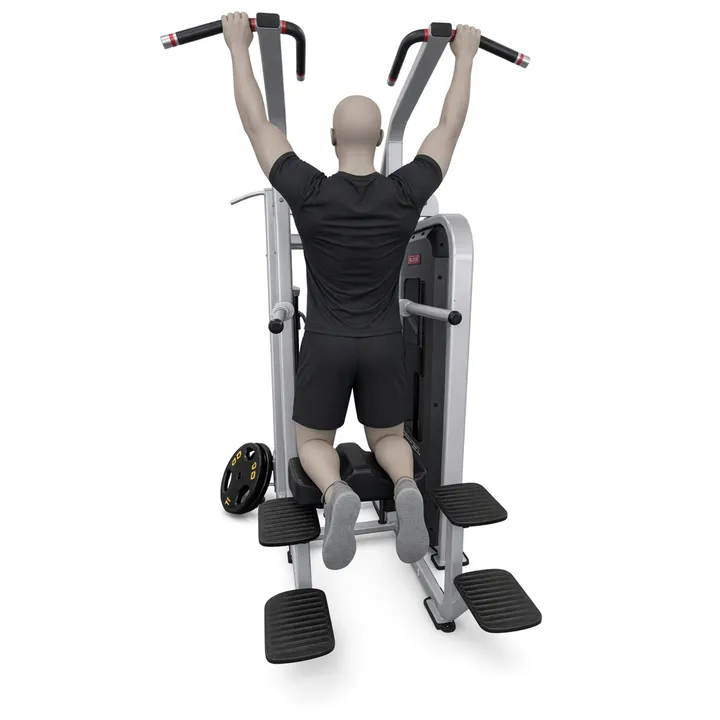 Assisted chin-upBack · Biceps
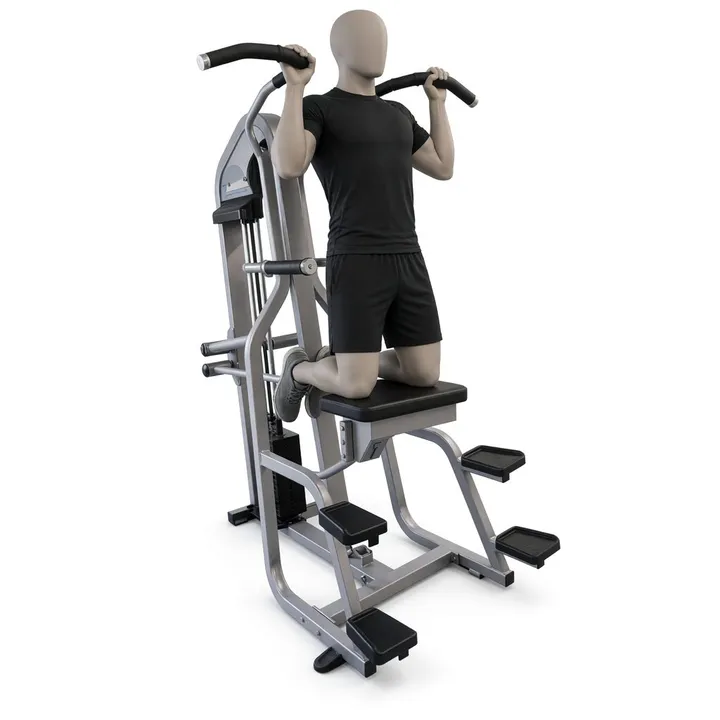 Assisted neutral-grip pull-upBack
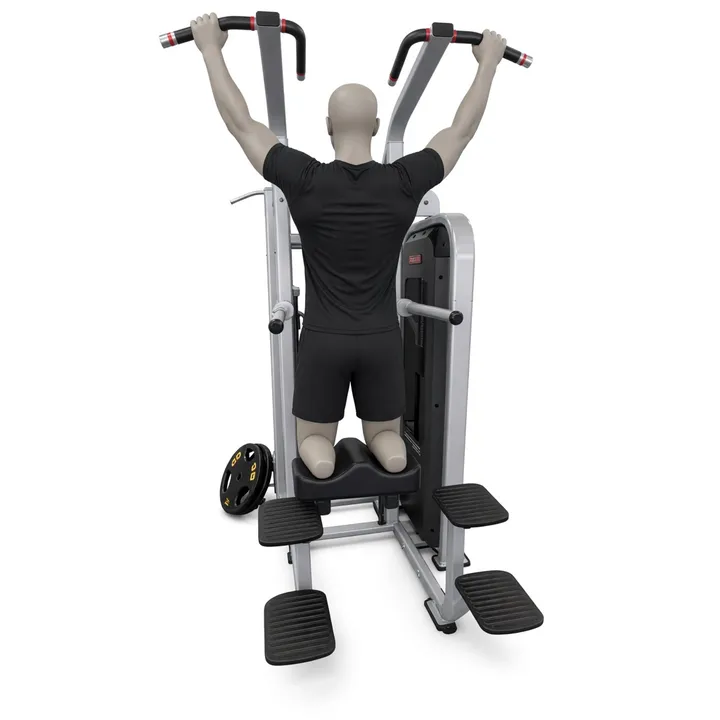 Assisted pull-upBack
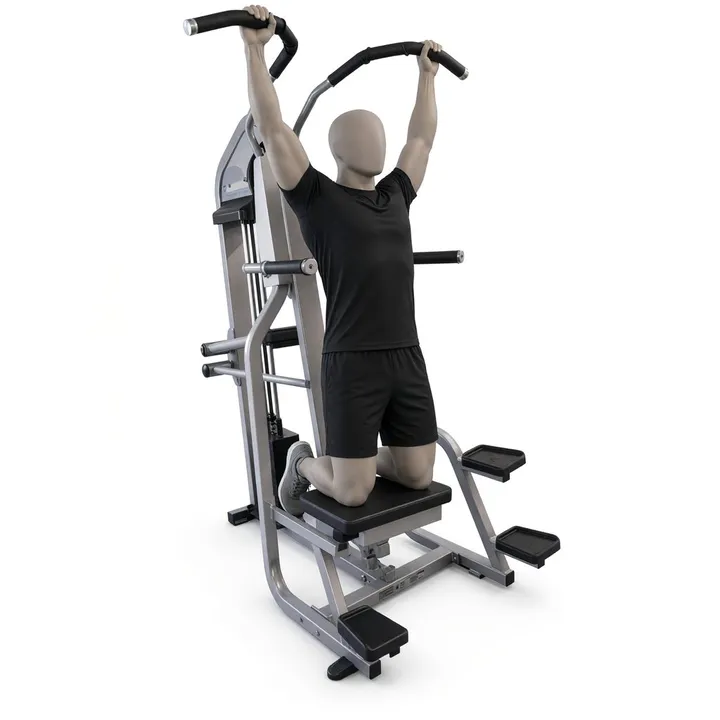 Assisted wide-grip pull-upBack
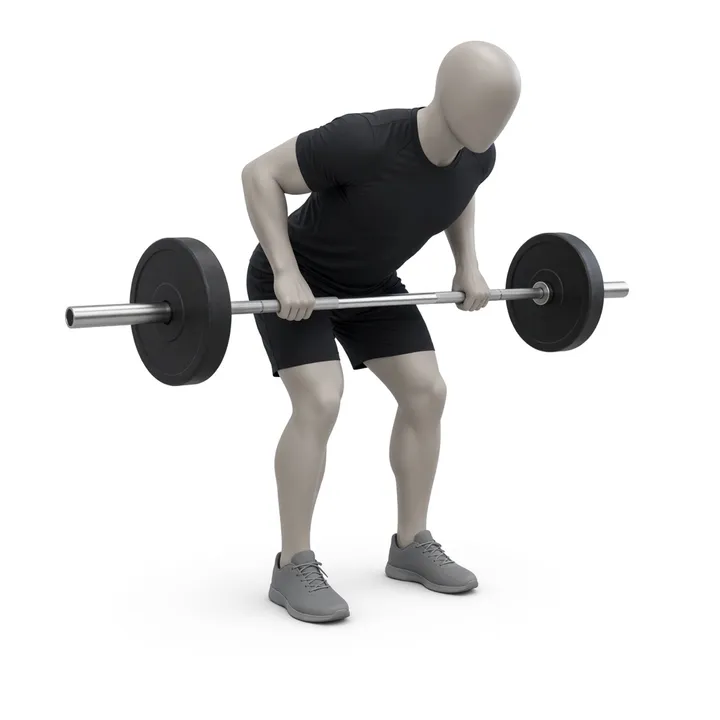 Barbell bent-over rowBack
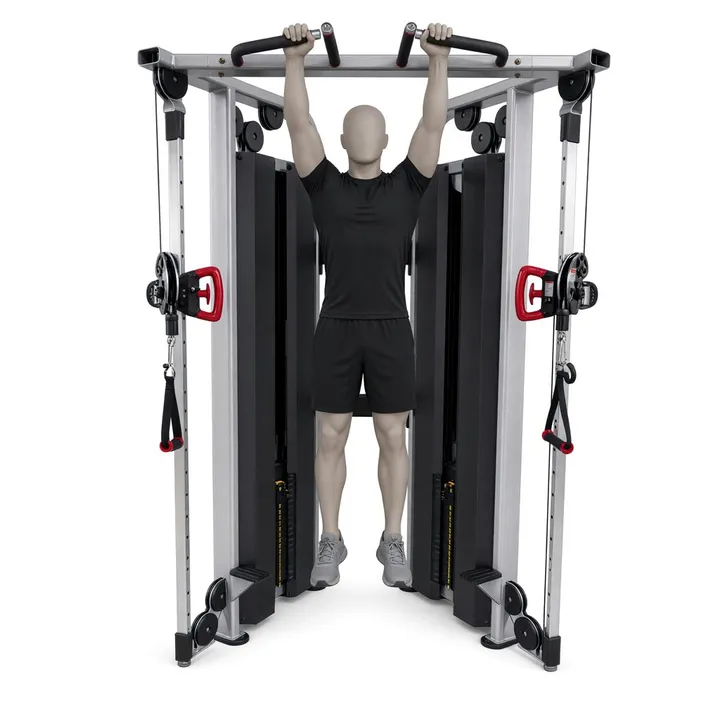 Neutral-grip pull-up on cable crossoverBack
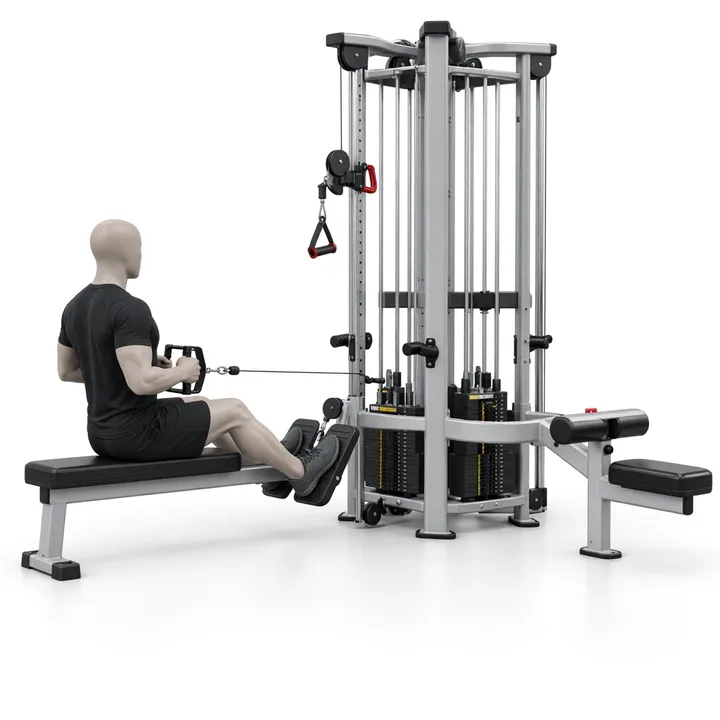 Seated cable rowBack
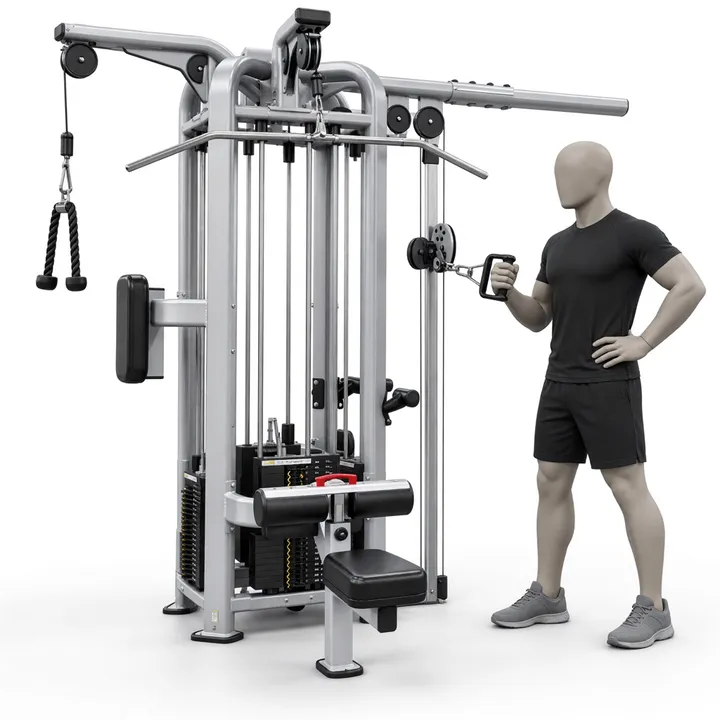 Single-arm cable rowBack
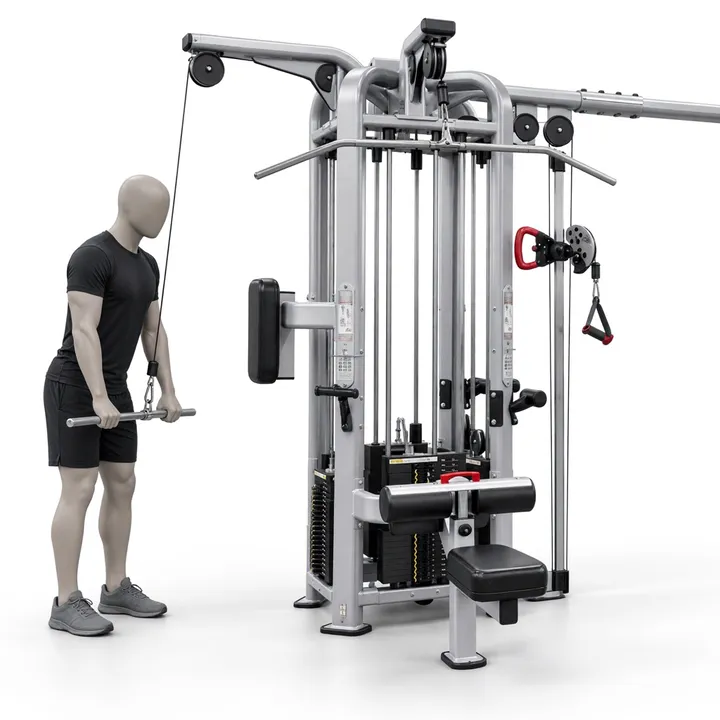 Straight-arm pulldownBack
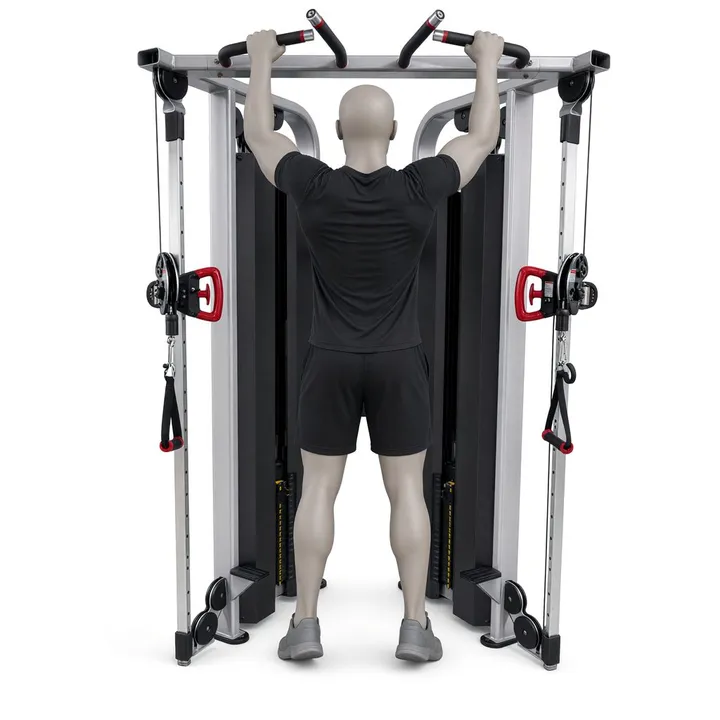 Wide-angle pull-up on cable crossoverBack
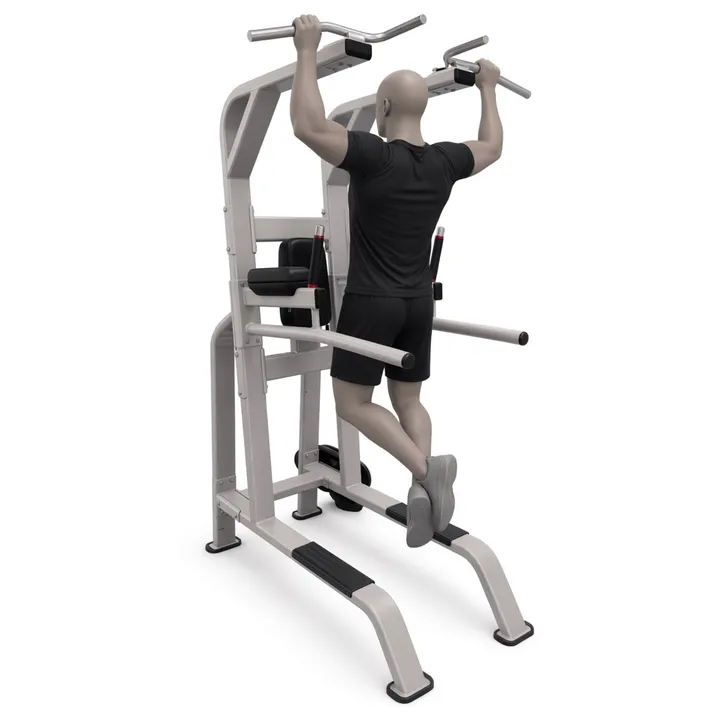 Chin-upBack · Biceps
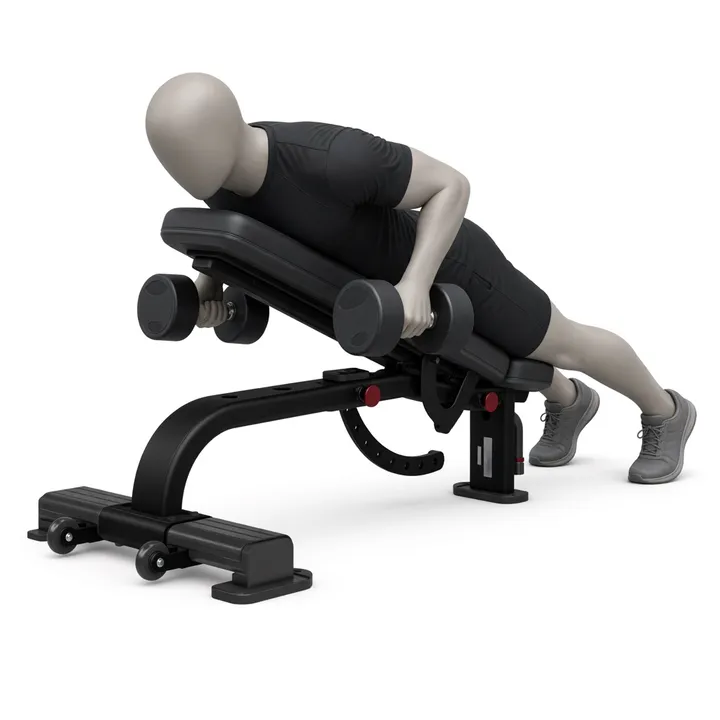 Chest-supported dumbbell rowBack
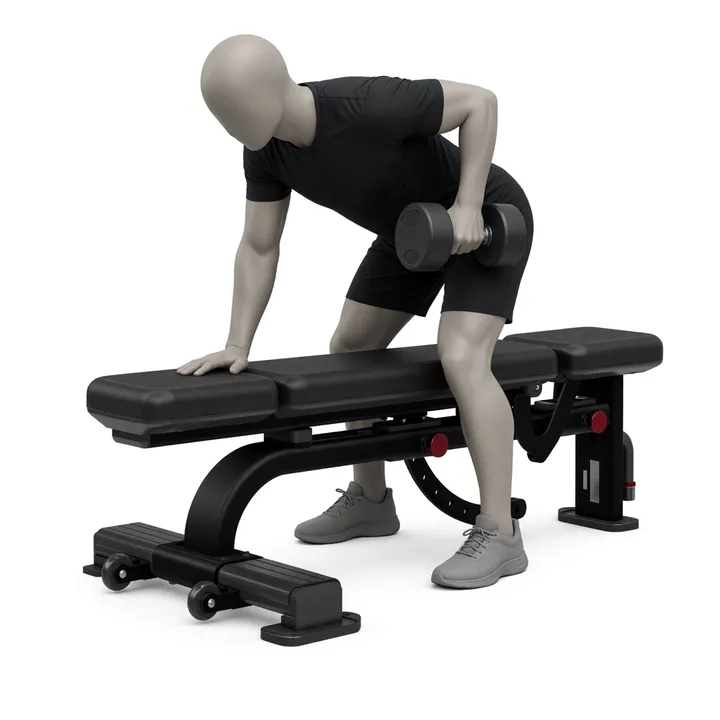 One-arm dumbbell rowBack
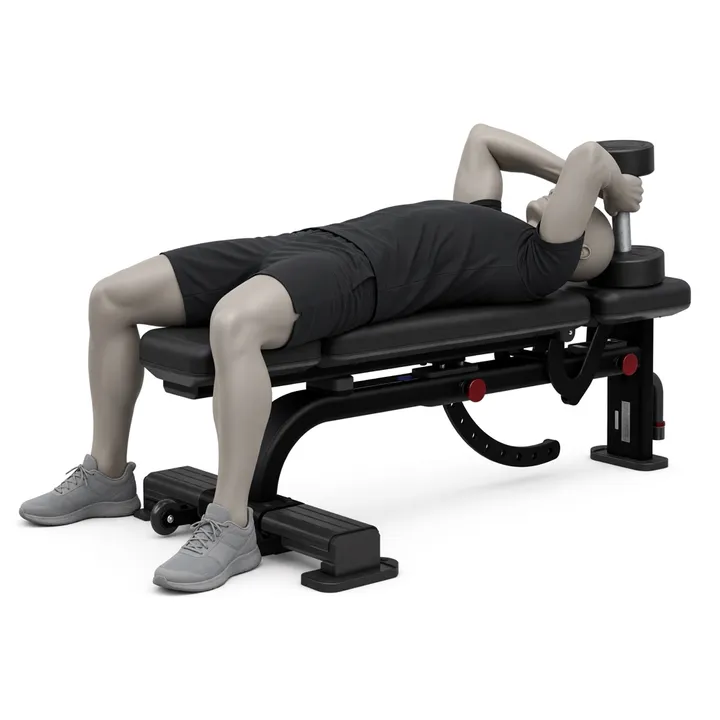 Dumbbell pulloverChest · Back
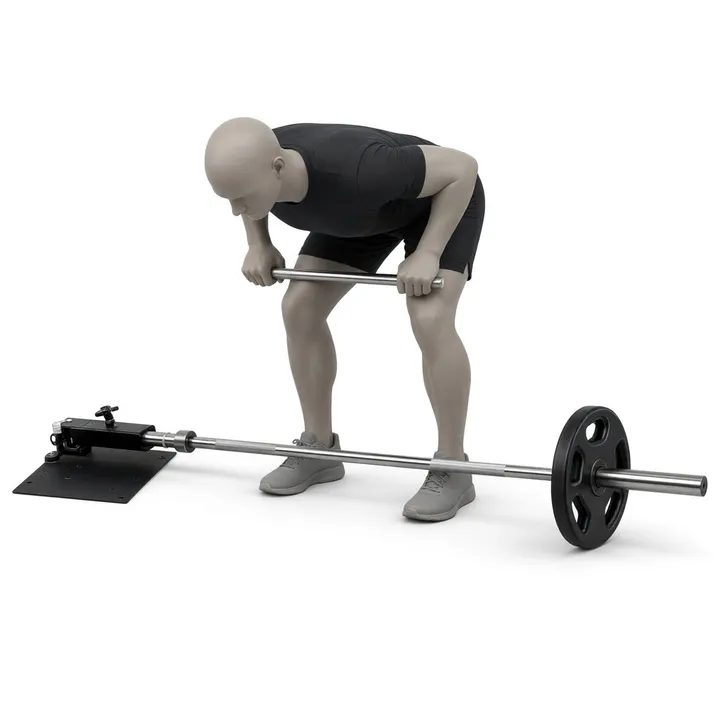 Landmine rowBack
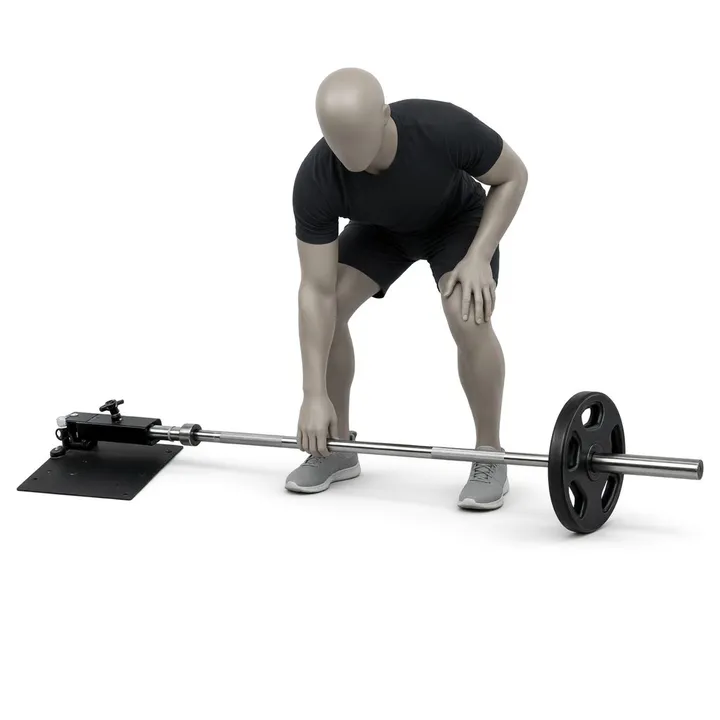 Landmine single-arm rowBack
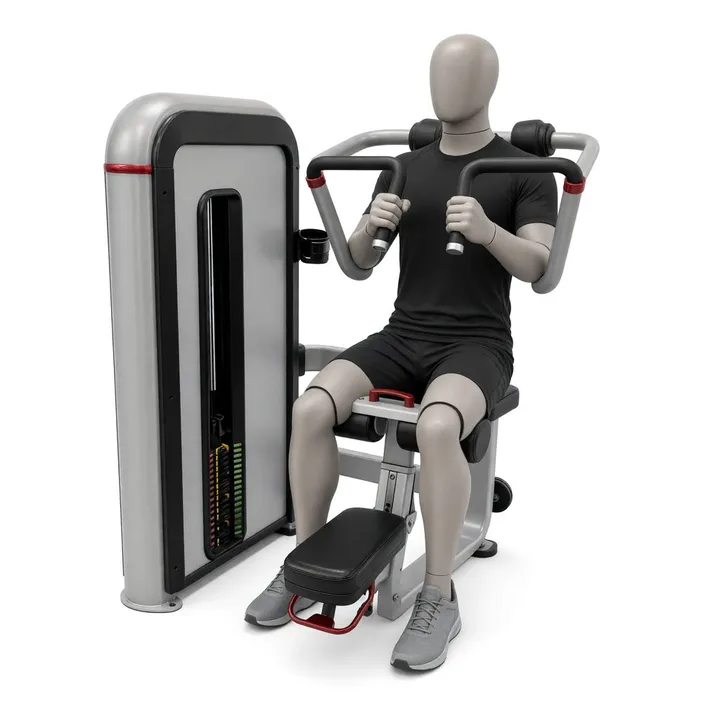 Close-grip lat pulldownBack
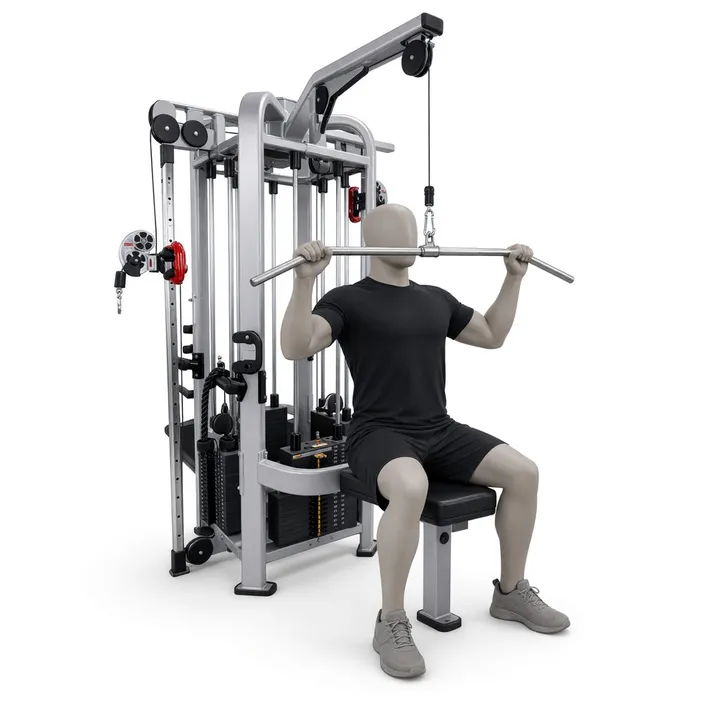 Medium-grip overhand lat pulldownBack
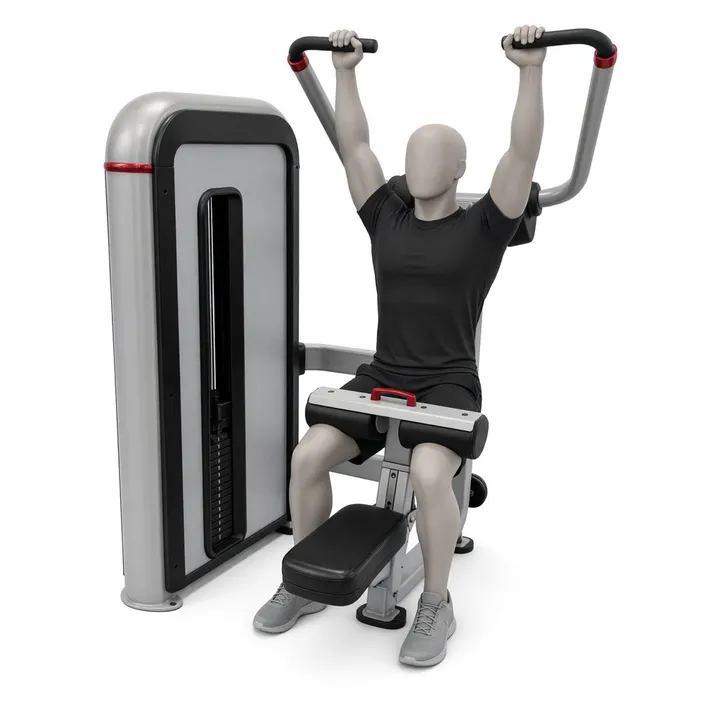 Underhand lat pulldownBack · Biceps
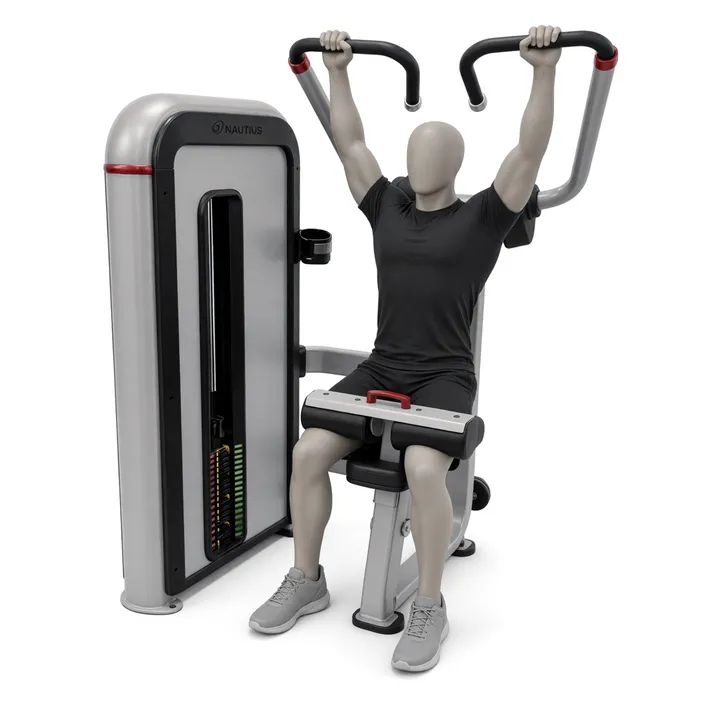 Wide-grip lat pulldownBack
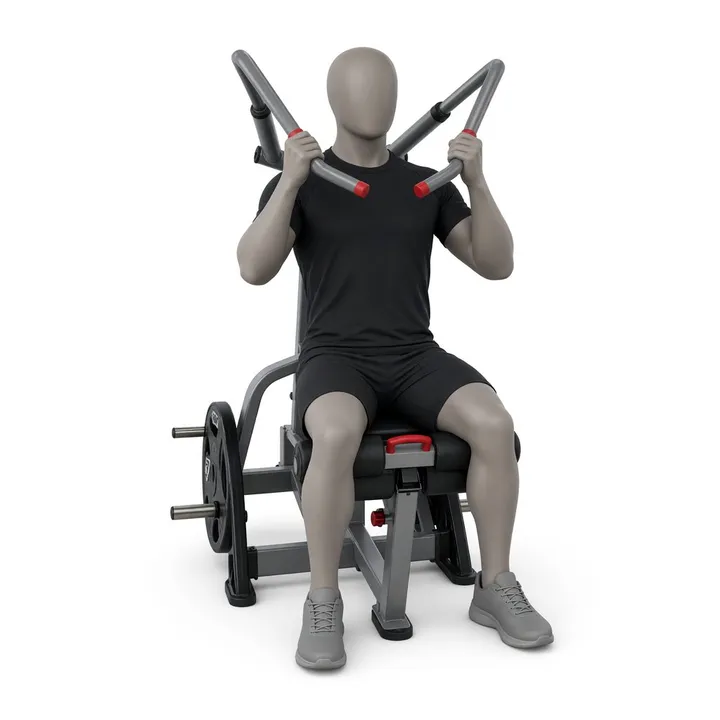 Independent-arm lat pulldown (angled grip)Back
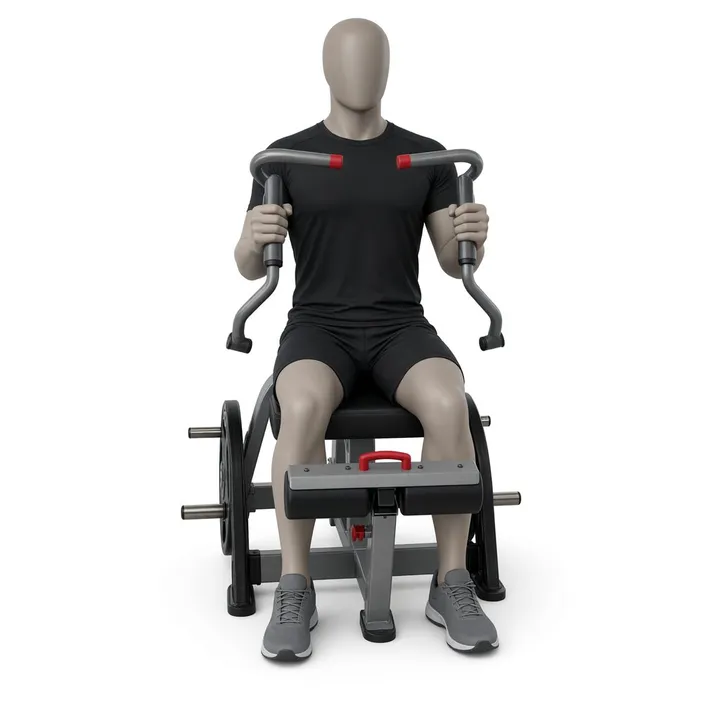 Independent-arm lat pulldown (close grip)Back
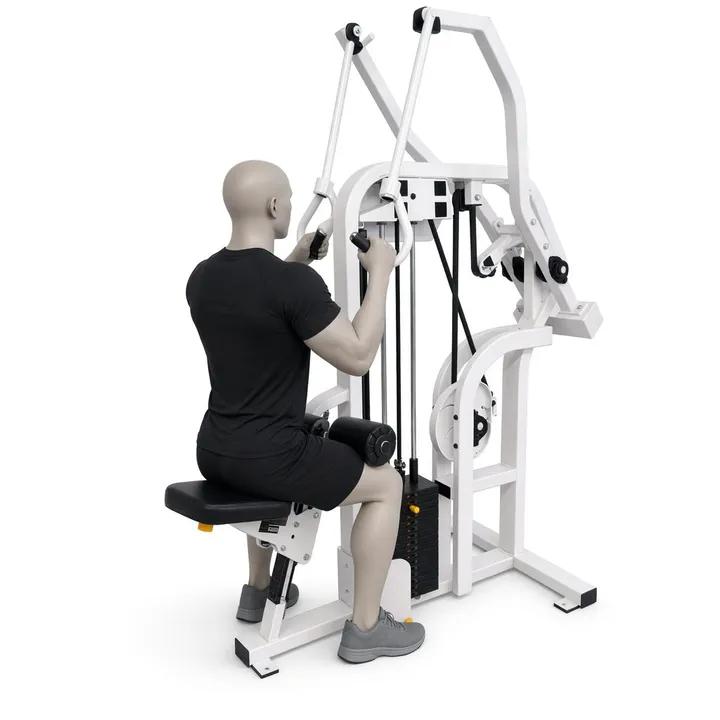 Independent-arm lat pulldown (neutral grip)Back
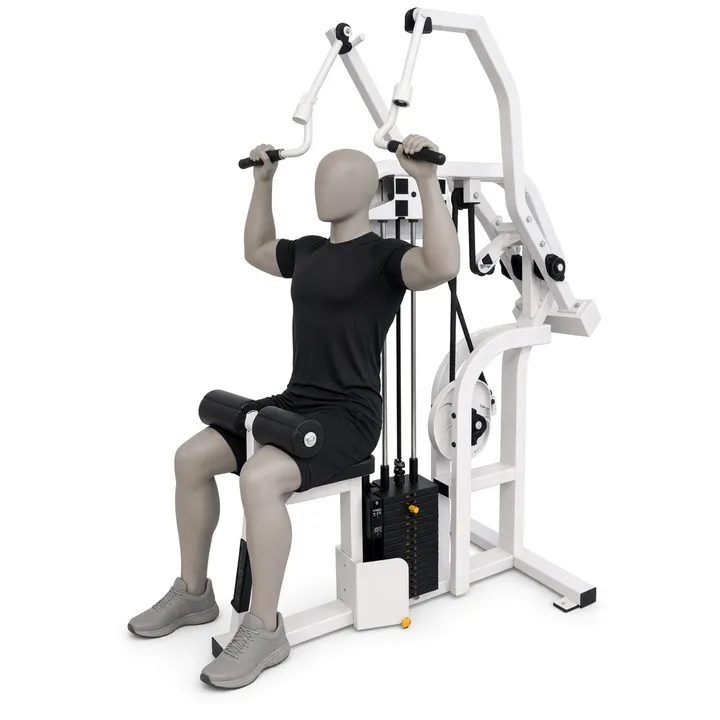 Independent-arm lat pulldown (overhand grip)Back
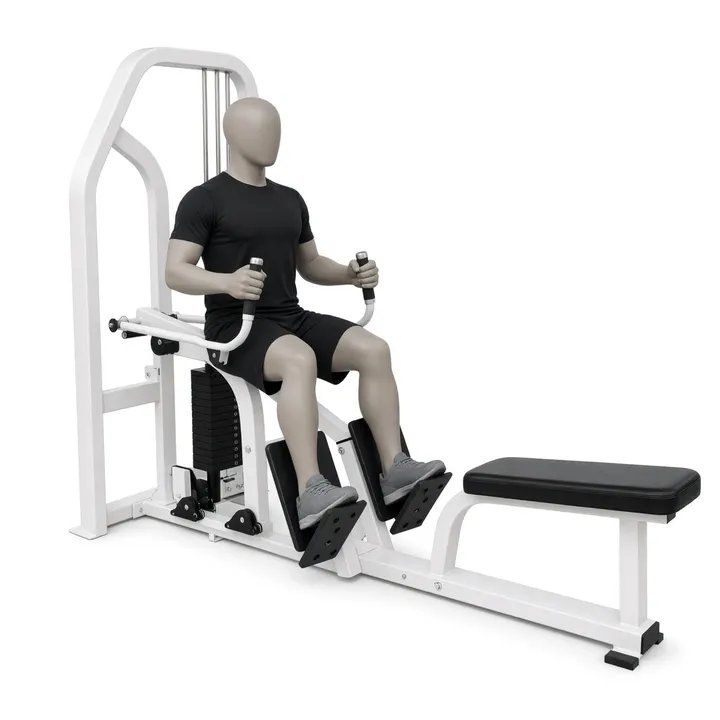 Machine seated rowBack
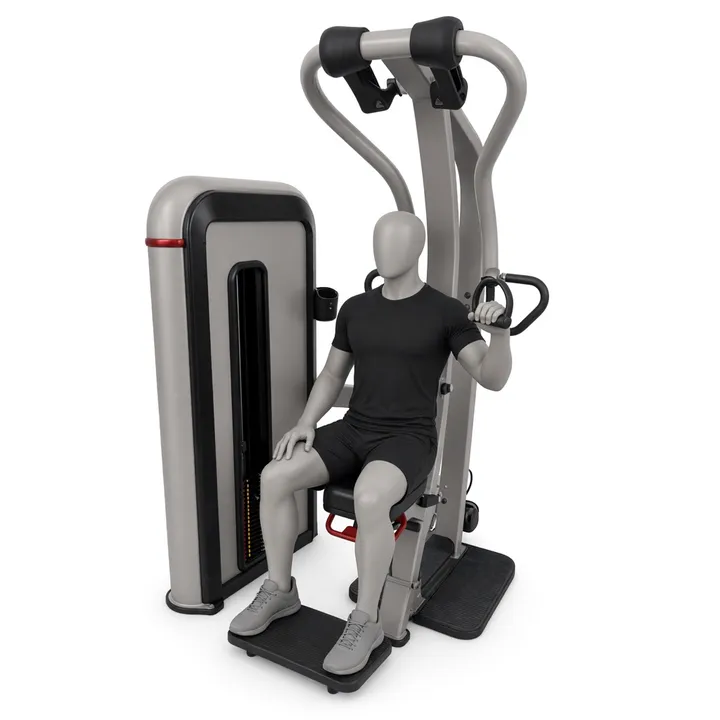 Single-arm machine rowBack
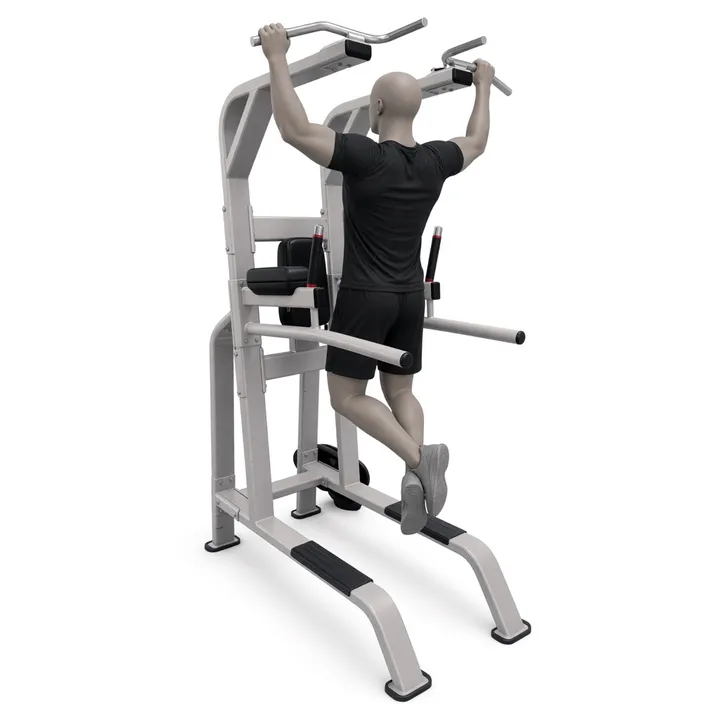 Pull-upBack
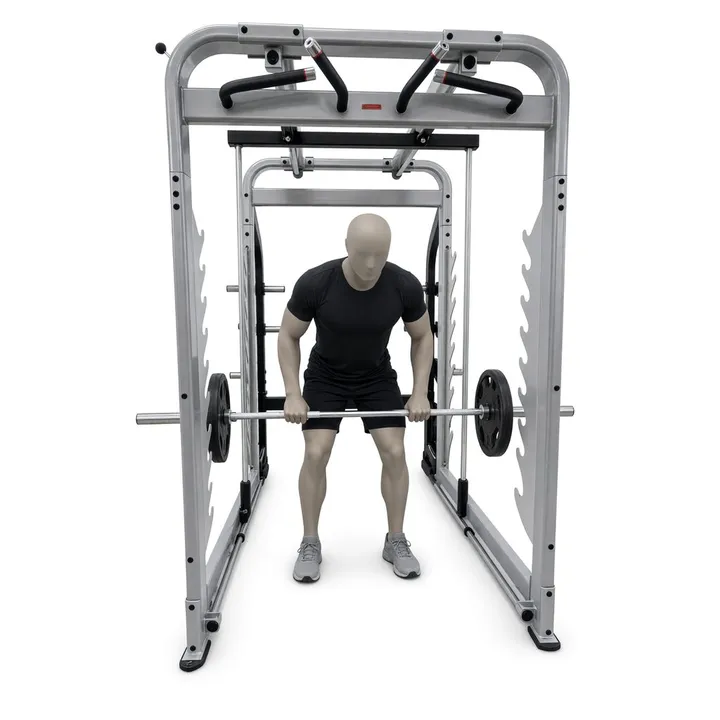 Smith bent-over rowBack
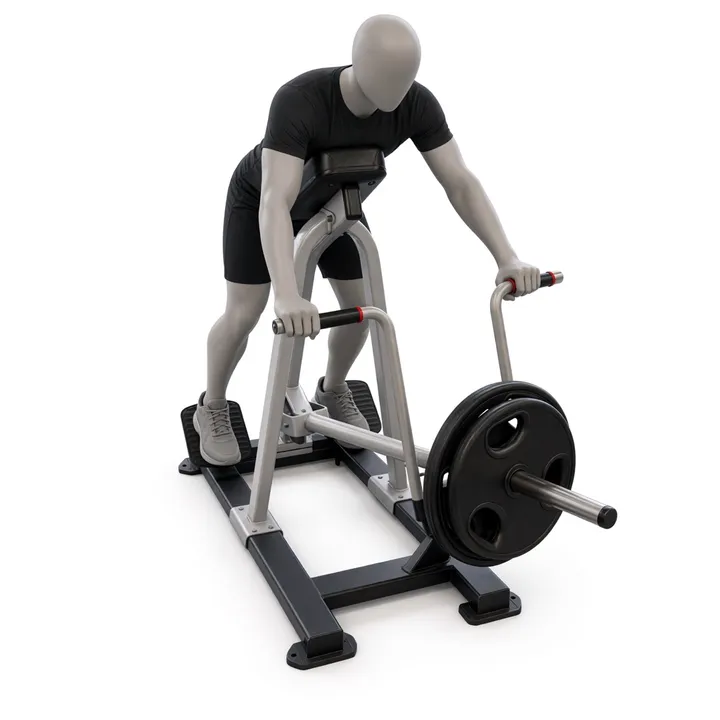 T-bar rowBack
These also work this muscle
Log your back sets with GoSet
GoSet remembers your last time, starts your rest on its own and notes your records. Even with no signal in the basement. Coming soon to iPhone and Android.
Common questions
How do I choose between pulldowns and rows for my back?
Vertical pulls like lat pulldowns and pull-ups move the weight from above you down. Rows move the weight from in front of you toward your body. Both train your back, and many people use some of each across the week for more complete back work.
I can’t do a pull-up yet, what should I do?
Use the assisted pull-up machine, lat pulldowns, and seated rows. Set the weight so you can keep good form, then slowly adjust the load over time to move closer to unassisted pull-ups.
I don’t really feel my back working, is that normal?
It’s common at first. Slow the reps down, use a weight you can control, and focus on squeezing your shoulder blades together at the end of the pull. Chest-supported machines and single-arm rows can also make it easier to feel each side working.
I feel pain in my lower back during back exercises, what should I do?
Stop the set when you feel pain and talk to a healthcare professional before continuing. For now you can favour chest-supported machines and seated cable work, which usually require less lower-back support.