Exercise · Shoulders
Dumbbell reverse fly: how to do it right
The dumbbell reverse fly is a shoulder exercise that focuses on the rear delts, with solid work for the upper back and traps. You can do it bent over or with your chest supported on an incline bench. It’s a good way to balance your shoulders if you already do a lot of pressing.
Doable at all 76 gyms GoSet follows
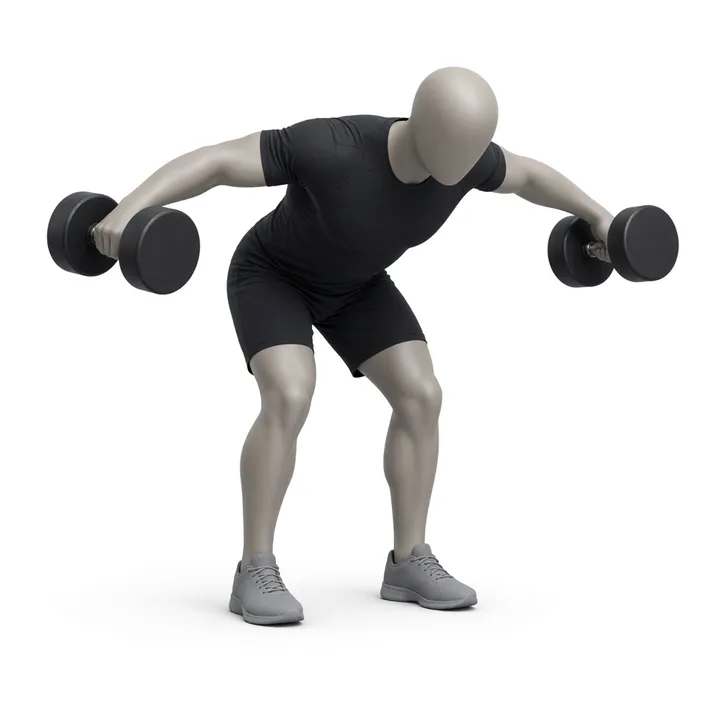
The essentials
- Lean forward with a flat back (or chest on an incline bench).
- Open your arms out to the sides without shrugging.
Muscles worked
- Primary
- Shoulders
- Secondary
- Back · Traps
How to do it
- Stand with your feet under your hips, one dumbbell in each hand. Hinge forward at the hips with a flat back, knees slightly bent, arms hanging toward the floor.
- Keep your back neutral and look at the floor a few feet in front of you. Palms face each other or slightly back, with a small bend in the elbows.
- Breathe in, then open your arms out to the sides, leading with your elbows, until your arms are roughly in line with your shoulders, without shrugging.
- Pause briefly at the top and squeeze your rear shoulders and upper back.
- Lower the dumbbells back down slowly in 2–3 seconds with control, keeping your back stable.
- Repeat for the planned reps, keeping the same posture from start to finish.
Common mistakes
Rounding your back as you lean
Instead : Choose a torso angle where you can keep your back flat. Bend your knees a bit, brace your core, and push your hips slightly back before you start moving your arms.
Shrugging your shoulders up to your ears
Instead : Think about keeping your neck long. Set your shoulders down and slightly back before the first rep and hold that position through the set.
Over-bending and straightening your elbows
Instead : Keep a slight bend in your elbows and hold that angle. Imagine your arms are firm wings that go up and down together, without turning it into a curl or a kickback.
Going too heavy and cheating with your lower back
Instead : Pick a weight you can lift without swinging, bouncing, or moving your lower back. If you need to jerk your hips or back, go lighter and slow down the lowering phase.
Coach tips
- Use a controlled tempo: about 1 second up, brief pause at the top, then 2–3 seconds down.
- Breathe smoothly: inhale at the bottom, exhale as you open your arms out to the sides.
- If it’s hard to keep your back stable, do the movement with your chest on an incline bench so you can focus on your shoulders and upper back.
- Start with light weights and higher reps to learn how to feel your rear shoulders working before you add more load.
Variations
- Reverse fly with chest on an incline bench for more stability in your lower body and back.
- Seated reverse fly with your torso leaned forward if you want less balance work than the standing version.
Sets and reps
The dumbbell reverse fly is often done for 2–4 sets of 10–20 reps with light to moderate weights and a controlled tempo to really target the rear shoulders.
Equipment
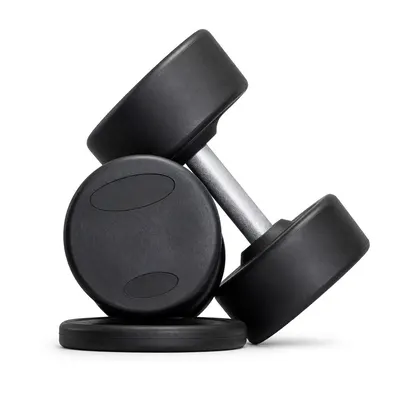
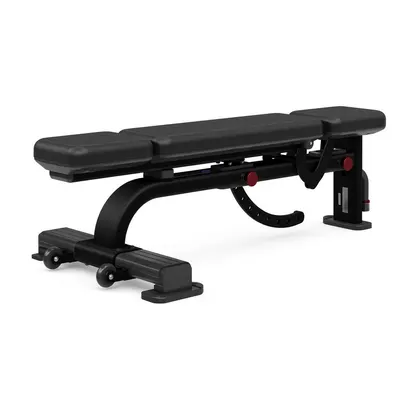
Alternatives for the same muscles
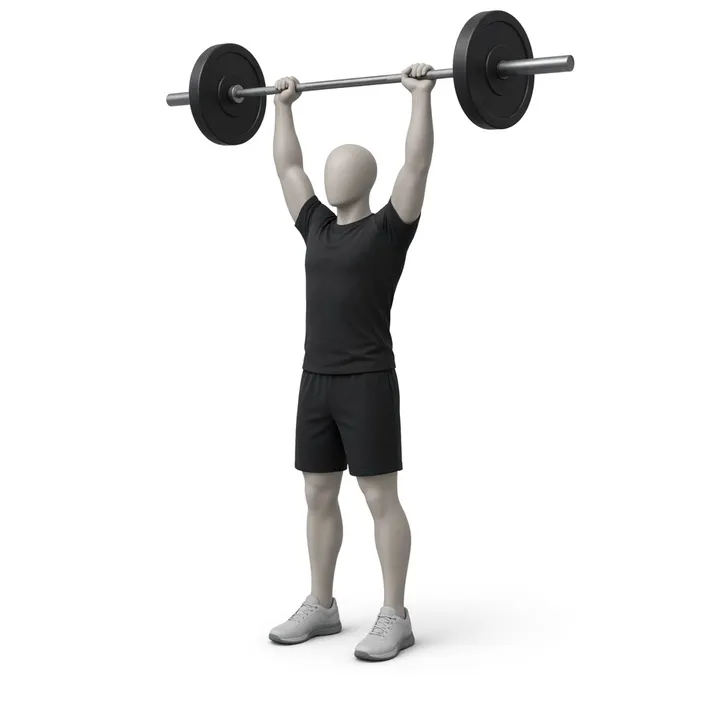
Log your Dumbbell reverse fly sets with GoSet
GoSet remembers your last time, starts your rest on its own and notes your records. Even with no signal in the basement. Coming soon to iPhone and Android.
Common questions
Where should I feel the dumbbell reverse fly?
You should mainly feel your rear shoulders working, along with tension in your upper back and traps. If you mostly feel your lower back or neck, lower the weight, slow the movement, and focus on keeping a flat back without shrugging.
Can I do dumbbell reverse flys if it’s hard to stay bent over?
Yes, you can support your chest on an incline bench or sit and lean your torso forward. The key is to find a position where your back stays stable while only your arms move.
When should I put reverse flys in my workout?
They’re often placed after bigger shoulder or back exercises as a more targeted rear delt movement. They also work well at the end of an upper body session with slightly higher reps.