Exercise · Back
Underhand lat pulldown on the machine
The underhand lat pulldown is the palms-facing-you version of the pulldown for your back. It puts a lot of work on your biceps too, along with your back and forearms. It’s a good pick if chin-ups are still too tough or if you want to control the weight more precisely.
Doable at all 76 gyms GoSet follows
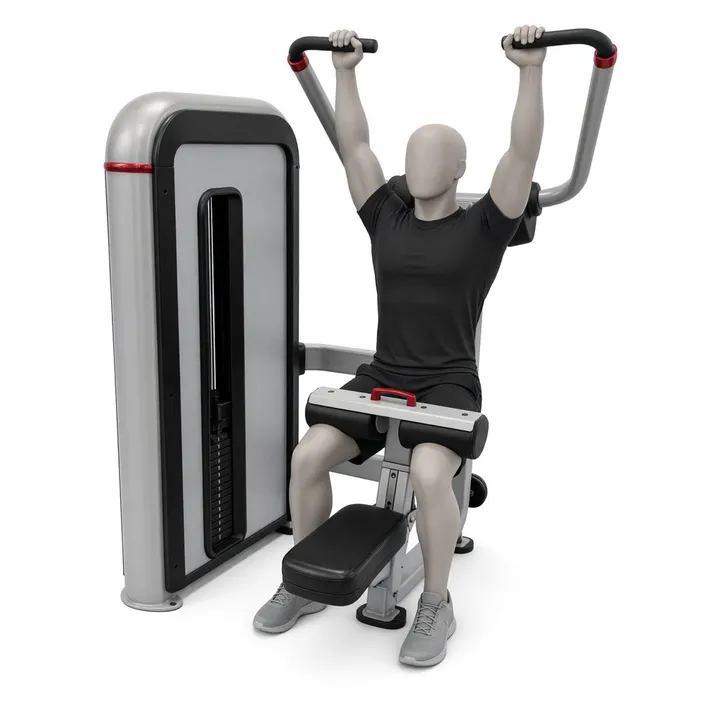
The essentials
- Palms facing you, hands shoulder-width apart.
- Pull to your upper chest without leaning far back.
Muscles worked
- Primary
- Back · Biceps
- Secondary
- Forearms · Traps
How to do it
- 1. Sit at the lat pulldown and lock your thighs under the pad so you don’t lift off the seat.
- 2. Grab the bar underhand: palms facing you, hands about shoulder-width apart, and lean your torso back just slightly.
- 3. Keep your chest up, shoulders down, and take a breath in before you start pulling.
- 4. Pull the bar toward your upper chest by bending your elbows, without leaning far back or using momentum.
- 5. Pause briefly at the bottom when the bar is close to your upper chest, keeping your shoulders away from your ears.
- 6. Control the bar back up over 2 to 3 seconds until your arms are almost straight, then repeat for your reps.
Common mistakes
Leaning way back like a row
Instead : Keep just a small torso angle and hold it. If you feel you have to swing back to move the weight, lower the load and focus on bringing the bar to your upper chest instead of your chest to the bar.
Pulling only with your arms
Instead : Before you bend your elbows, think about “pulling your shoulders down” first. Imagine bringing your elbows toward your sides instead of just curling with your biceps.
Letting shoulders rise toward your ears
Instead : Keep your shoulders down the whole time. If they creep up, slow down, drop the weight a bit, and focus on keeping your neck long.
Letting the bar slam up on the way down
Instead : Always control the return. Aim for 2 to 3 seconds on the way up, instead of letting the stack yank your shoulders up suddenly.
Coach tips
- Start with a weight that lets you feel your back working, not only your biceps. You can build up the load slowly as your form stays solid.
- Breathe out as you pull the bar toward your upper chest, then breathe in as you let the bar rise under control.
- If your wrists get tired fast, keep them in line with your forearms and avoid bending your hand back on the bar.
- You can adjust your grip width slightly, but staying close to shoulder-width usually feels better on your elbows and shoulders.
Variations
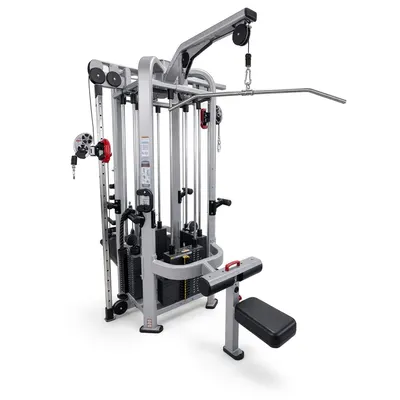
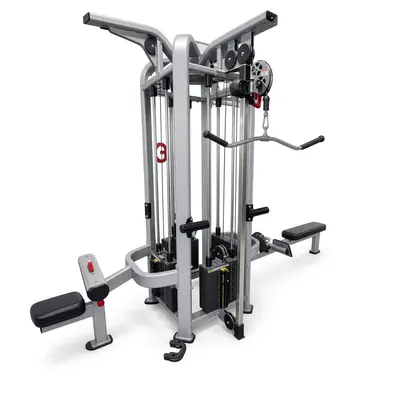
- Same movement on a multi-station cable machine by clipping a straight bar to the high pulley and using the same underhand grip.
- Underhand pulldown on a high pulley of a cable station, sitting on a stable bench if the setup has no built-in seat.
Sets and reps
You’ll often see the underhand lat pulldown in back or pull workouts, done for around 3 to 4 sets of 8 to 12 repetitions depending on the weight used.
Equipment
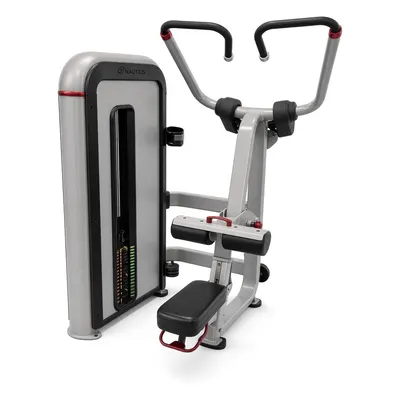
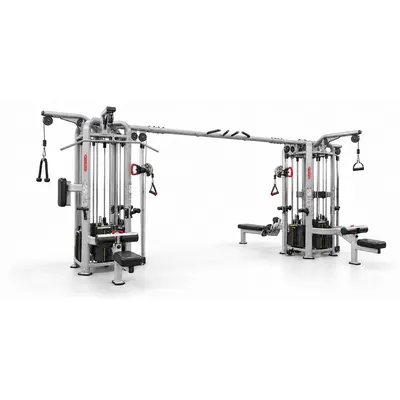
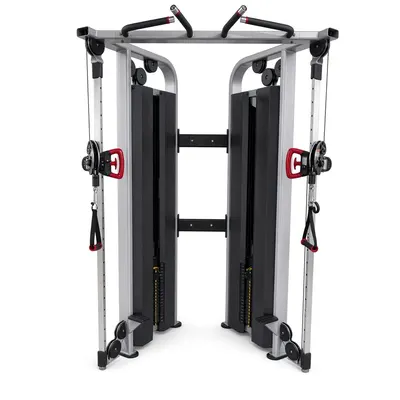
Alternatives for the same muscles
Log your Underhand lat pulldown sets with GoSet
GoSet remembers your last time, starts your rest on its own and notes your records. Even with no signal in the basement. Coming soon to iPhone and Android.
Common questions
What should I feel on the underhand lat pulldown?
You should mainly feel your back working, with strong help from your biceps and forearms. If you only feel your arms, drop the weight, slow down the lowering phase, and focus on keeping your shoulders down and chest up.
Do I need to touch my chest with the bar?
You don’t have to touch. Bring the bar close to your upper chest without forcing your shoulders forward or over-arching your lower back. Stop when you lose control or need to lean way back to finish the rep.
How is this different from chin-ups?
The motion is very similar, but on the pulldown your knees are locked in and the bar moves. That makes it easier to adjust the load than with chin-ups or assisted variations.
What if I feel pain in my shoulders or elbows?
Stop the exercise and talk to a healthcare professional or other qualified specialist before continuing. Don’t push through pain that doesn’t feel like normal muscle effort.