Exercise · Legs and glutes · One side at a time
Dumbbell step-up: how to do it properly
The dumbbell step-up is a single-leg lower-body exercise that targets mainly your quads and glutes. You step onto a bench one leg at a time, which also challenges your balance and control. It’s a solid option if you want to train your legs without always using a barbell.
- Quadriceps
- Glutes
- Hamstrings
- Adductors
Doable at all 76 gyms GoSet follows
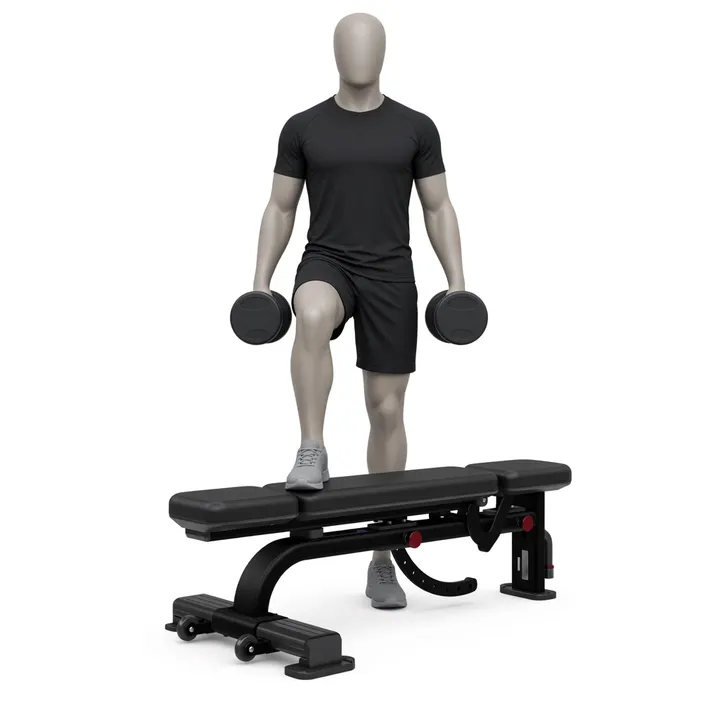
The essentials
- Use a stable, flat bench.
- Step up by pushing through the foot on the bench.
- Do all reps on one side, then switch.
Muscles worked
- Primary
- Quadriceps · Glutes
- Secondary
- Hamstrings · Adductors
How to do it
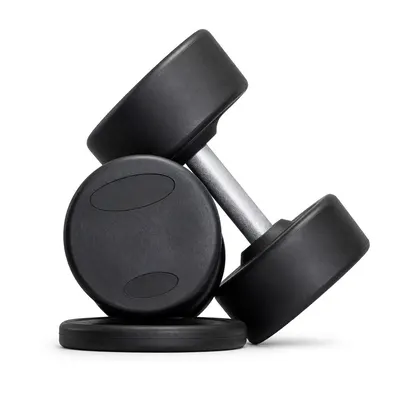
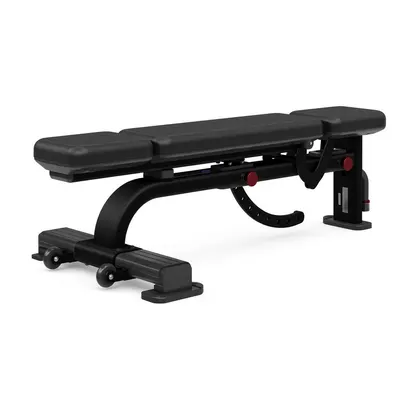
- Set up a stable, flat adjustable bench and grab a dumbbell in each hand, arms hanging by your sides.
- Place your whole foot on the bench with your heel down, keeping the other foot on the floor.
- Lean your torso slightly forward, then step up by pushing through the foot on the bench until that leg is almost straight.
- Bring the foot from the floor up onto the bench so you’re standing tall and balanced on top.
- Step the foot from the floor back down first, then the foot on the bench, controlling the way down for about 2 to 3 seconds.
- Do all reps on one side, then switch legs and repeat.
Common mistakes
Pushing mostly with the leg on the floor
Instead : Focus on the foot on the bench. Think about driving the bench away with that leg and keep the leg on the floor just for support, not to do the work.
Stepping on your toes only
Instead : Make sure your heel is fully on the bench before stepping up. If your heel lifts, adjust your foot position or use a lower bench height to feel more secure.
Rushing and losing balance
Instead : Slow down both the step up and the step down. Keep your eyes on a point straight ahead and brace your core, even if that means using lighter dumbbells.
Letting the knee cave inward
Instead : Keep your knee in line with your toes. Think about gently pushing the knee out as you step up and down so the leg tracks straight.
Coach tips
- Use no momentum: control the step-up for about 2 to 3 seconds up and 2 to 3 seconds down so you really feel the working leg.
- Inhale before stepping up, then exhale as you push through the foot on the bench; reset your breath on the way down.
- If you’re new to this, start with light dumbbells or just bodyweight to get used to the balance and movement pattern.
- Once you’re comfortable, keep the same foot on the bench for the whole set before switching sides to keep tension on that leg.
Variations
- Bodyweight step-up to practice balance and technique before adding dumbbells.
- Lower bench step-up to focus on control if a higher bench feels too challenging at first.
Sets and reps
This exercise is often done for 3 to 4 sets of 8 to 12 reps per leg, with a load that lets you stay stable and controlled the whole time.
Equipment
Alternatives for the same muscles
Log your Dumbbell step-up sets with GoSet
GoSet remembers your last time, starts your rest on its own and notes your records. Even with no signal in the basement. Coming soon to iPhone and Android.
Common questions
Can I do dumbbell step-ups with just one dumbbell?
Yes, you can hold a single dumbbell in one hand if that feels easier. In that case, set up near a rack or support so you can lightly hold on with the other hand if needed.
I keep losing my balance on step-ups, what should I do?
Use less weight, slow the movement down, and look at a fixed point in front of you. You can also start with no dumbbells or use a lower bench to build stability first.
Can step-ups replace squats?
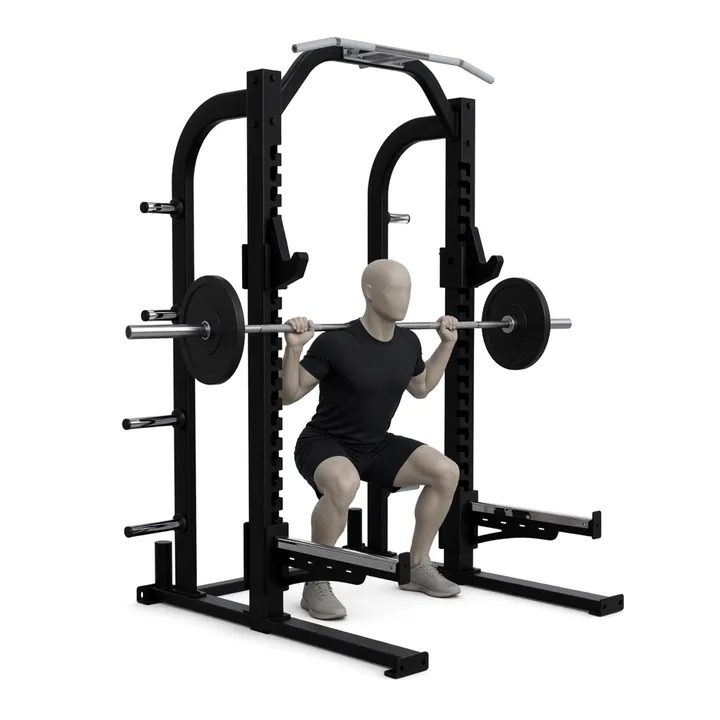
They do train your quads and glutes well with one leg at a time. For many people they work as a good complement or an alternative to squats, especially if you prefer not to load a bar on your back.