Exercise · Legs and glutes
Barbell back squat in the squat rack
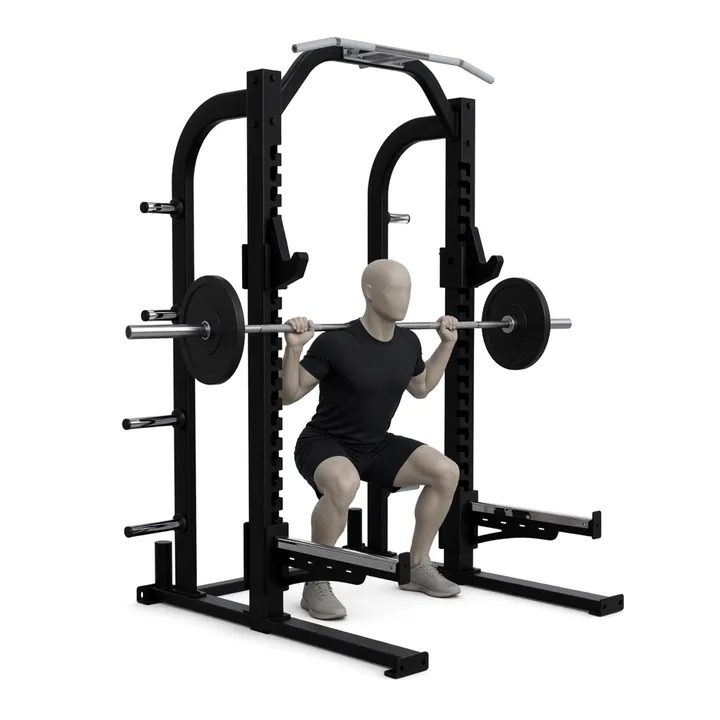
The barbell back squat is the classic move to load your quadriceps and glutes with heavier weight. You do it in a squat rack, bar resting on your upper back. When done well, it also works your adductors and lower back, for beginners (with guidance) and more advanced lifters.
- Quadriceps
- Glutes
- Adductors
- Lower back
Doable at all 76 gyms GoSet follows
The essentials
- Set the safety bars just below your bottom position.
- Bar on your upper back, feet shoulder-width.
- Lower with a flat back, knees tracking your toes.
Muscles worked
- Primary
- Quadriceps · Glutes
- Secondary
- Adductors · Lower back
How to do it
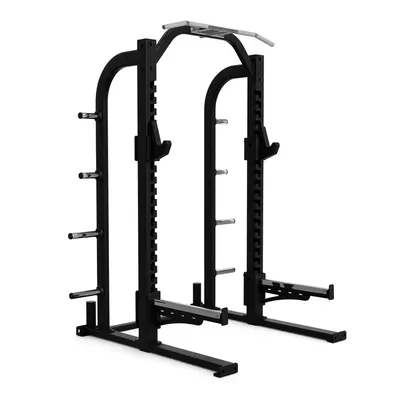
- 1. Set the safety bars on the squat rack just below your planned bottom position, and place the J-hooks around upper-chest height.
- 2. Get under the bar, place it on your upper back (not on your neck), squeeze your shoulder blades together, and grab the bar slightly wider than shoulder-width.
- 3. Lift the bar out of the rack by pushing with your legs, step back a bit, and set your feet shoulder-width apart with your toes slightly turned out.
- 4. Inhale, brace your core, then lower by bending your hips and knees with a flat back and your knees tracking your toes, taking about 2 to 3 seconds.
- 5. Stop when your thighs are at least parallel to the floor (or higher if your mobility limits you), without bouncing at the bottom.
- 6. Push the floor away with your feet to stand back up as you exhale, keep your torso tight and knees in line, then walk forward and re-rack the bar at the end of the set.
Common mistakes
Bar too high on the neck
Instead : Rest the bar on the upper back, on the meat of your traps, not on the bones of your neck. Pull your shoulder blades together to create a solid “shelf” for the bar.
Knees caving in
Instead : Think about gently pushing your knees out so they stay in line with your toes. If you lose control, lower the weight and practise slower reps with clean form.
Rounding the back at the bottom
Instead : Shorten your range of motion so you can keep a flat back. Take 2 to 3 seconds to lower, keep your eyes looking forward, and if you feel pain in your lower back, stop and talk to a professional before loading heavier.
Heels lifting off the floor
Instead : Make sure your feet stay flat. Adjust how far your feet are from the rack until you find a stance where you can squat down without your heels popping up, even if that means going a bit less deep for now.
Coach tips
- Use a “breathe and brace” rhythm: big breath in, tighten your core, lower under control, then exhale as you come up.
- A solid tempo is about 2 to 3 seconds down, a brief pause at the bottom, then a faster but controlled drive up.
- Start with a weight you fully control, even if it’s just the bar, and build up slowly from session to session.
- Play with foot angle using light weight: find the toe-out position where your knees naturally track the same direction as your toes.
Variations
- Paused barbell back squat: hold the bottom position for 1 to 2 seconds before standing up to improve control.
- Partial range barbell back squat: only go as low as you can while keeping a flat back, then gradually increase depth over time.
- Barbell back squat with a closer grip, if your shoulder mobility allows, to tighten your upper back and stabilize the bar better.
Sets and reps
You’ll often see the barbell back squat done for 3 to 5 sets of 3 to 8 heavier reps, or 3 to 4 sets of 8 to 12 moderate reps, depending on your level and goals.
Equipment
Alternatives for the same muscles
Log your Barbell back squat sets with GoSet
GoSet remembers your last time, starts your rest on its own and notes your records. Even with no signal in the basement. Coming soon to iPhone and Android.
Common questions
How deep should I go on the barbell back squat?
Go as low as you can while keeping a flat back and your knees in line with your toes. For many people that means thighs parallel to the floor or a bit lower. If your mobility doesn’t allow that yet, work with a shorter range and slowly build depth.
What if I’m afraid of getting stuck under the bar?
Set the safety bars just below your bottom position and practise one or two reps where you gently lower the bar onto them. Do this with light weight to get comfortable using the squat rack for safety.
Is it normal to feel my lower back in squats?
You can feel your lower back working to stabilize, but if it turns into pain, stop the set. Use less weight, reduce your depth, and talk to a professional before pushing heavier again.
I’m not comfortable with the bar yet. What can I do instead?
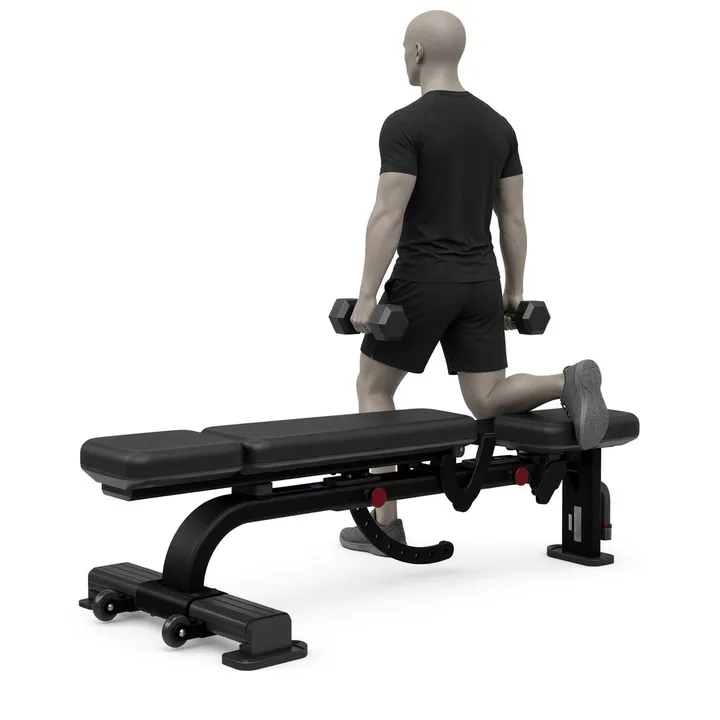
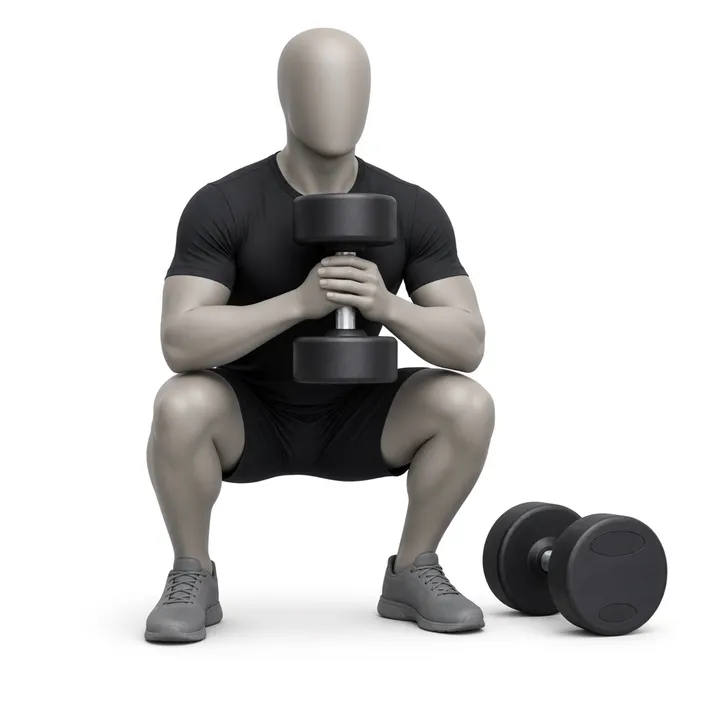
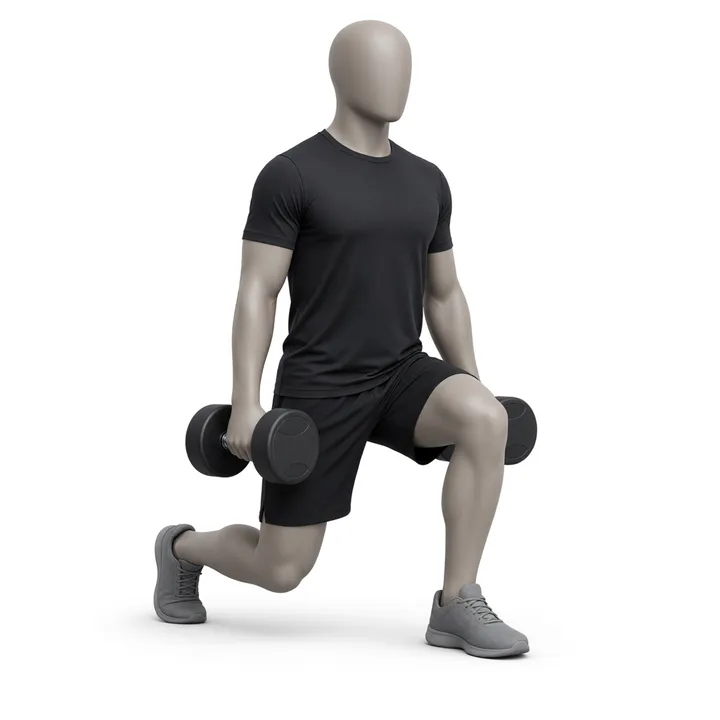
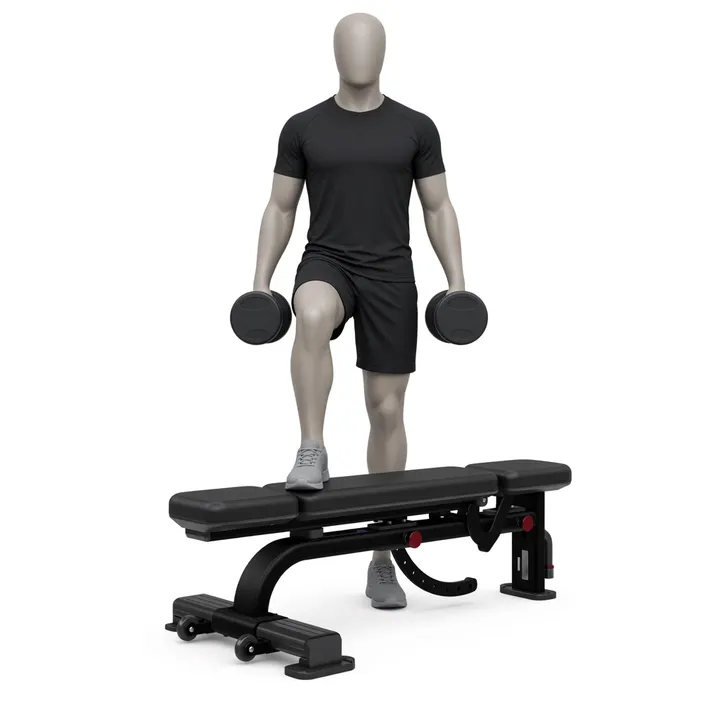
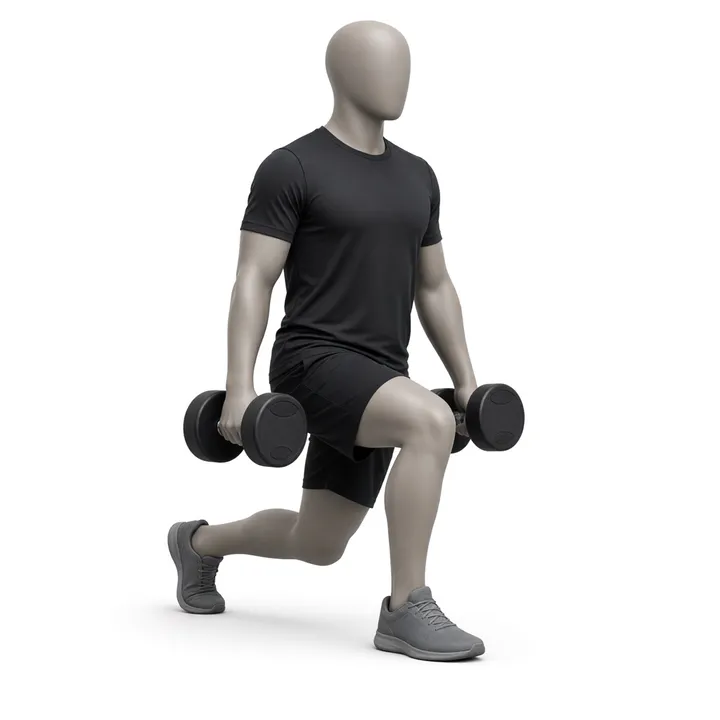
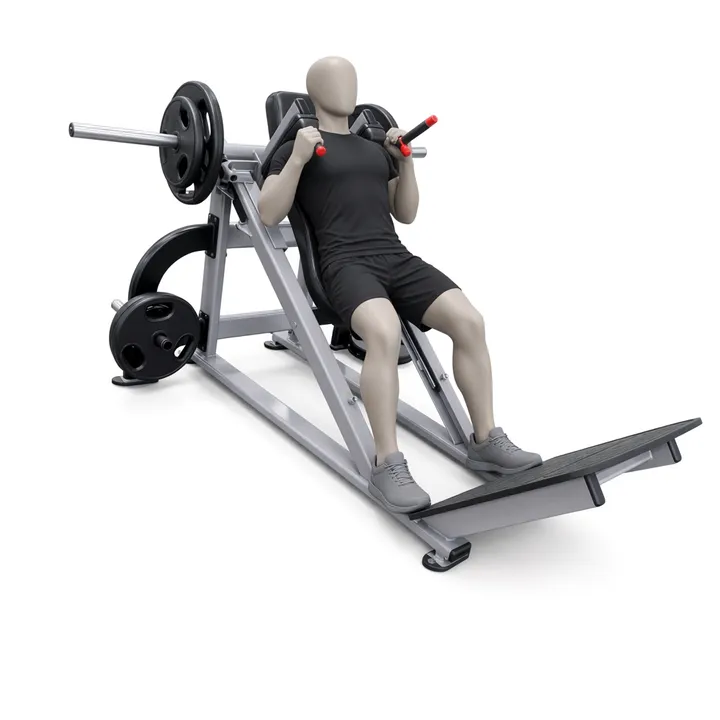
You can use alternatives like the goblet squat, dumbbell Bulgarian split squat, dumbbell reverse or walking lunges, dumbbell step-ups, or the hack squat machine. All of these train your legs without having to balance a bar on your back.