Machine
Support à squat: get set up and lift safely
The support à squat is the station with uprights and hooks for working with a roughly 20 kg Olympic barbell. You can use it for squats, deadlifts, overhead presses and several other barbell lifts. Good setup makes your training safer and lets you focus on your form.
At all 76 gyms GoSet follows
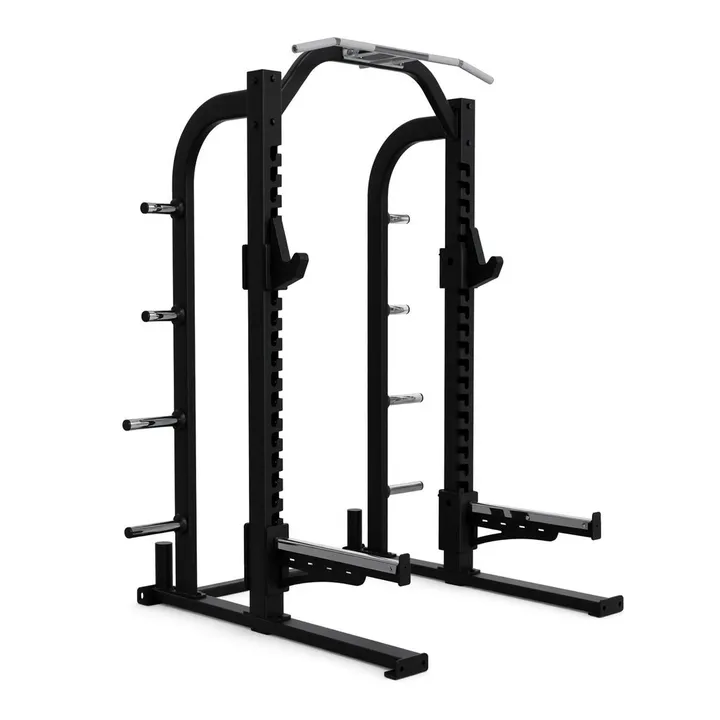
The essentials
- Set the safety bars just below your bottom position.
- Bar on your upper back, feet shoulder-width.
- Lower with a flat back, knees tracking your toes.
Muscles worked
- Primary
- —
Setup
- Check that the bar is centred on the rack with the same length sticking out on each side.
- Set the bar hooks slightly below shoulder height so you can unrack and rerack without going on your toes or crouching too much.
- If the rack has safety bars, set them just under your planned range of motion so they protect you without getting in the way.
- Clear the floor around the rack: no plates, benches or gear where you’ll step back, forward or put the bar down.
- Load the bar with matching plates on both sides and secure them with collars if your gym has some.
How to do it
- Set yourself under or in front of the bar depending on the exercise (squat, deadlift, press, etc.), making sure the bar height is comfortable for unracking.
- Grab the bar firmly and get into your starting position (feet, torso and back ready for the lift).
- Before taking the bar out of the rack, breathe in, brace your core and push through your feet to lift it a few centimetres.
- Take one or two small steps forward or back to your working position, without moving too far from the rack.
- Do your reps with control, always leaving yourself room to walk the bar back safely to the hooks.
- At the end of your set, walk the bar back until it touches the hooks, then lower it down onto them under control before you relax your tension.
Common mistakes
Hooks set too high or too low
Instead : Set the hooks just below your natural start position. You should unrack and rerack the bar without going on your toes or bending awkwardly.
Walking too far away from the rack
Instead : Stay close, one or two short steps at most. The farther you go, the harder and riskier it is to walk the bar back when you’re tired.
Ignoring the safety bars
Instead : If your rack has them, take a minute to set them at the right height. They act like a safety net if you miss a rep, especially on squats and presses.
Clutter around the rack
Instead : Before your set, move plates, benches and anything else away from the rack area. You need space to step back, forward and drop the bar if needed without tripping.
Coach tips
- For heavy lifts like squats, overhead press or hip thrust, take 2 to 3 seconds to settle under the bar before unracking instead of rushing it.
- Breathe out on the hard part of the rep and breathe in on the way back, keeping your core engaged for stability.
- Start with just the 20 kg bar to practice unracking, stepping back and reracking before you add weight.
- For movements like rows or deadlifts, use the rack mainly to rest the bar between sets, not to bounce it off the hooks.
Variations
- Barbell back squat: bar on your upper back, using the rack for a safe unrack and rerack.
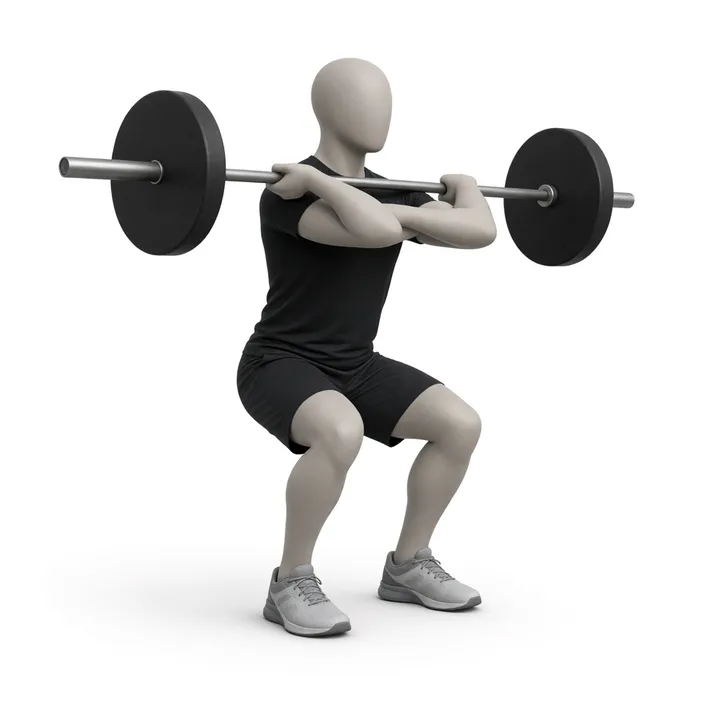
- Barbell front squat: bar on the front of your shoulders, often with the hooks set slightly lower than for the back squat.
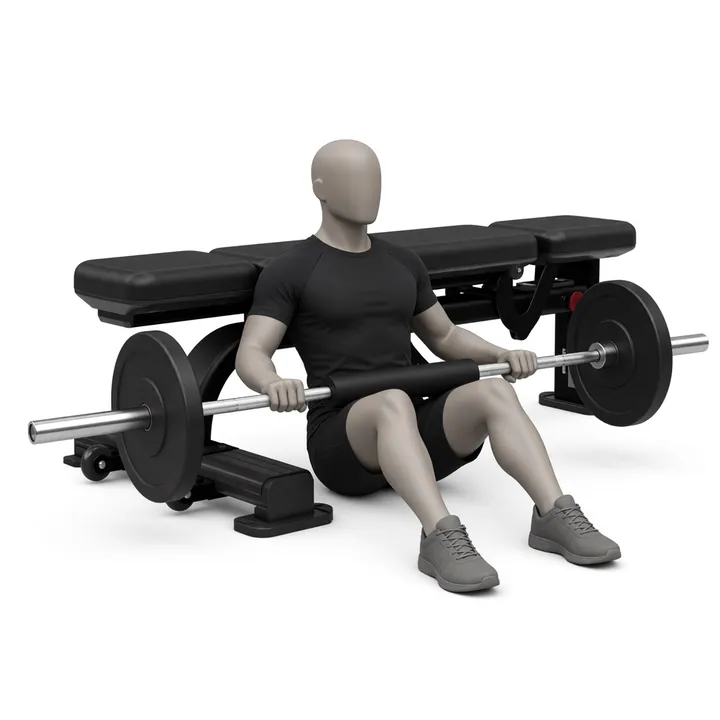
- Barbell hip thrust: you can rest the bar on the rack to slide it over your hips more easily.
Sets and reps
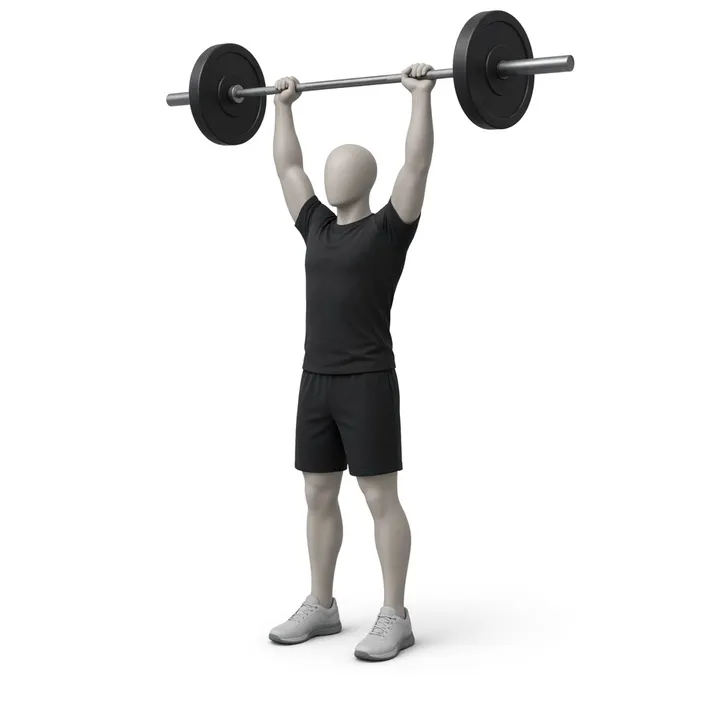
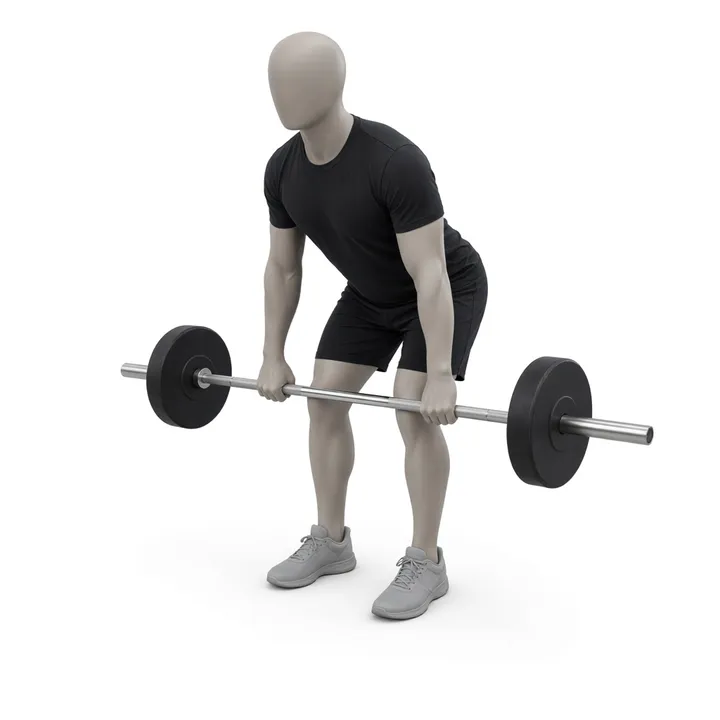
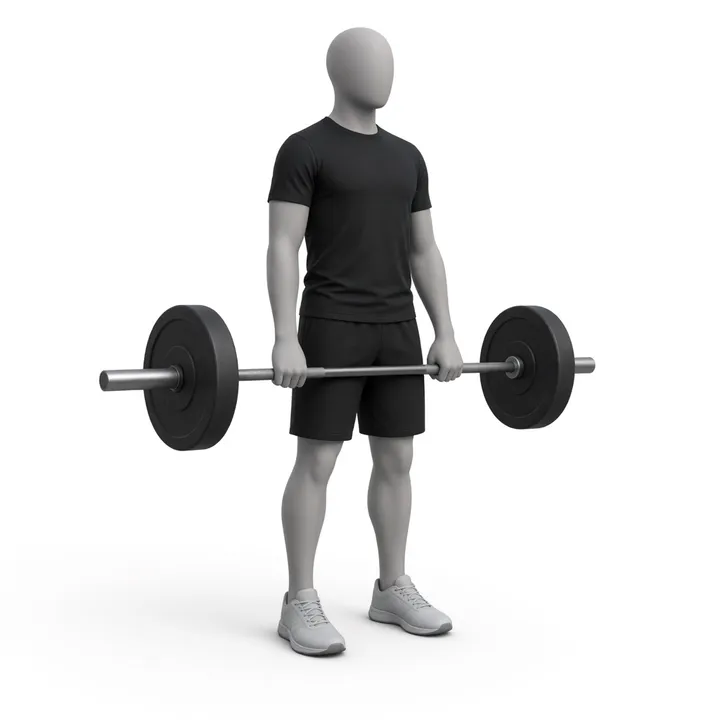
The support à squat is the base for several barbell lifts like the barbell back squat, front squat, deadlift, hip thrust, standing overhead press, bent-over row and barbell shrug. These are often done for 3 to 5 sets of controlled reps, depending on the load and your level.
Exercises on this machine
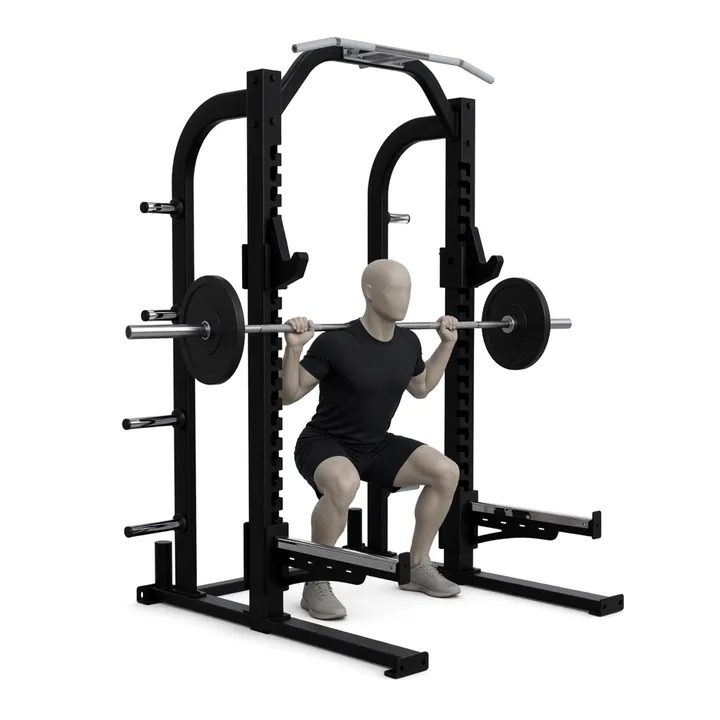
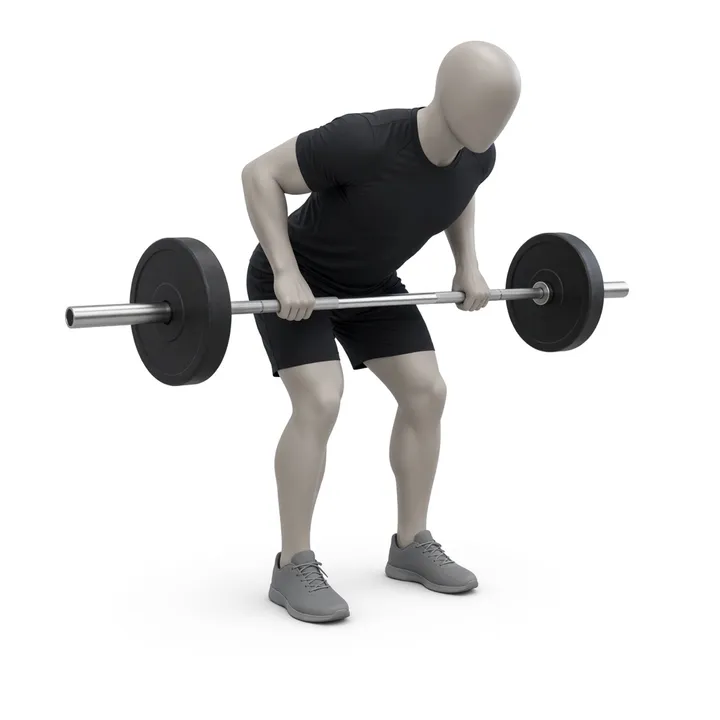
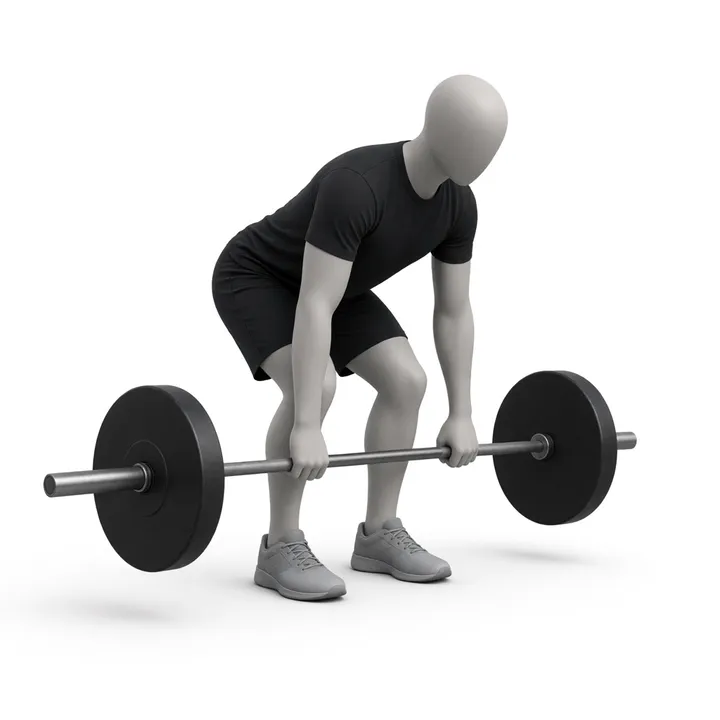
Log your Support à squat sets with GoSet
GoSet remembers your last time, starts your rest on its own and notes your records. Even with no signal in the basement. Coming soon to iPhone and Android.
Common questions
Do I always need to use the safety bars on the squat rack?
Any time you work with the bar on your back, over you or close to your limits, setting the safety bars is a good habit. For lifts starting from the floor like some deadlifts, they’re less useful.
The bar is already heavy at 20 kg. What can I do?
You can practice the movement off the rack with no weight or a lighter bar if your gym has one. You can also train the same patterns with dumbbells or machines that let you start lighter.
I don’t feel safe reracking the bar alone. Is that normal?
Yes, especially when you’re new. You can lower the weight, practice just unracking and reracking, ask someone to watch you, or use a simpler exercise while you build confidence and technique.