Exercise · Chest
Dumbbell fly: how to do it properly
The dumbbell fly is a chest-opening movement done on a bench with two dumbbells. It focuses on your chest and also works your shoulders. It’s a solid accessory to presses when you want to feel your chest work more without going too heavy.
Doable at all 76 gyms GoSet follows
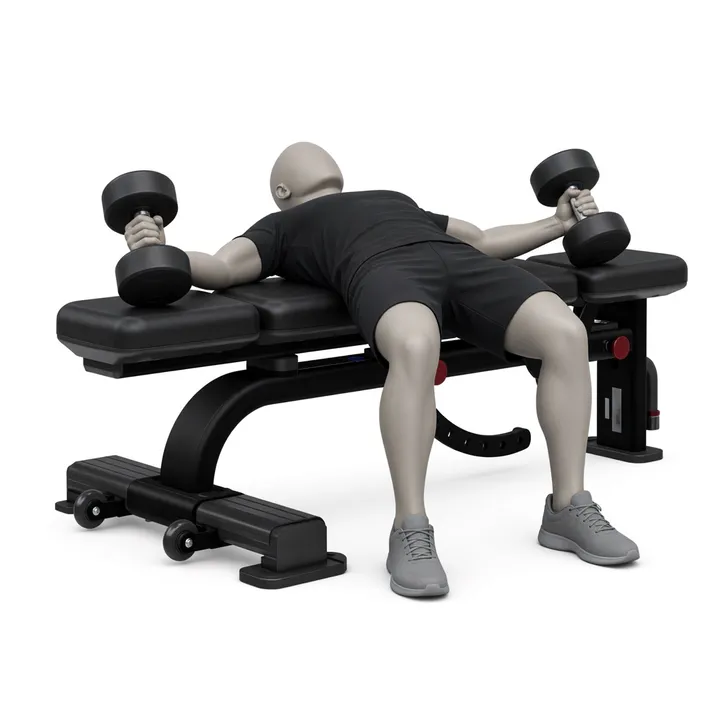
The essentials
- Keep a slight bend in your elbows throughout.
- Open to a comfortable stretch, then close in an arc.
Muscles worked
- Primary
- Chest
- Secondary
- Shoulders
How to do it
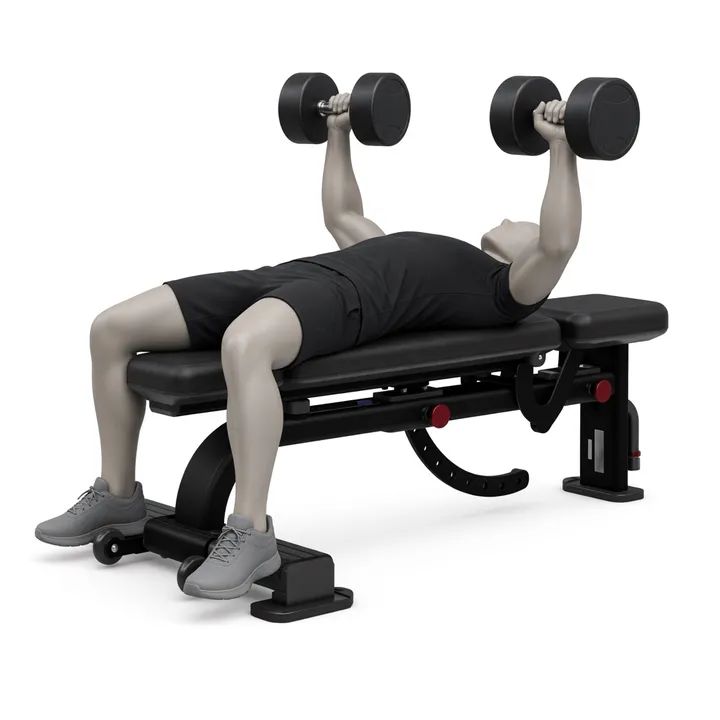
- Set the bench flat. Sit at the end with the dumbbells on your thighs, then lie back while bringing them over your chest, palms facing each other.
- Hold the dumbbells above your chest, arms almost straight, elbows slightly bent, and shoulders pressed into the bench.
- Take a deep breath in and start opening your arms out to the sides, keeping the same slight bend in your elbows the whole time.
- Lower the dumbbells in an arc until you feel a comfortable stretch in your chest, without letting your shoulders hike up toward your ears.
- Breathe out as you bring the dumbbells back up in an arc, like you’re hugging a big ball with your arms, until they’re back over your chest.
- Control the top of the movement, don’t smash the dumbbells together, keep tension in your chest before starting the next rep.
Common mistakes
Arms too straight
Instead : Keep a soft bend in your elbows the whole time. That takes pressure off your elbows and shoulders and helps you feel your chest more.
Going way too deep
Instead : Stop when you feel a good stretch in your chest, not when it pulls at the front of your shoulder. If it pinches or hurts, stop and talk to a professional.
Shoulders lifting off the bench
Instead : Think about pinning your shoulder blades to the bench and keeping your shoulders away from your ears. That stabilizes your upper back and keeps the focus on your chest.
Bouncing and losing control
Instead : Lower slowly and come back up in control. Keep the same elbow angle the whole time instead of jerking the weights up.
Coach tips
- Use a controlled tempo, about 2 to 3 seconds down, a brief pause at the bottom, then a smooth return to the top.
- Breathe with the movement: inhale as you lower, exhale as you close your arms and squeeze your chest.
- Start light so you can keep the same elbow angle from start to finish without fighting the weight.
- If you want a bit more focus on upper chest, you can set the bench on a slight incline and keep the same fly technique.
Variations
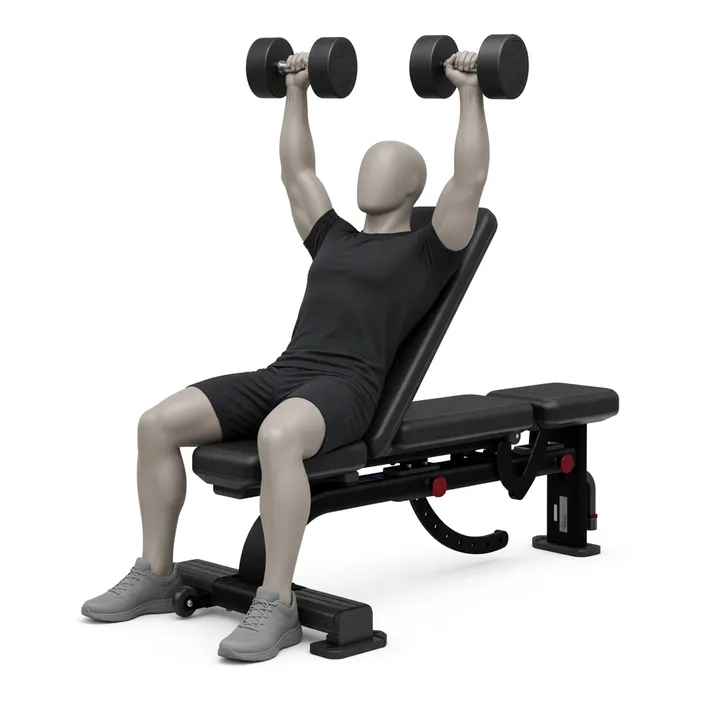
- Incline dumbbell fly on an adjustable bench to emphasize the upper part of the chest a bit more.
- Partial range dumbbell fly (not going all the way down) if your shoulders are sensitive, staying in a comfortable zone.
- Single-arm dumbbell fly (one dumbbell at a time) to focus on each side, if you’re already solid with the regular version.
Sets and reps
Dumbbell flys are often done for 3 to 4 sets of 10 to 15 reps with moderate weight, to feel the chest working without going very heavy.
Equipment
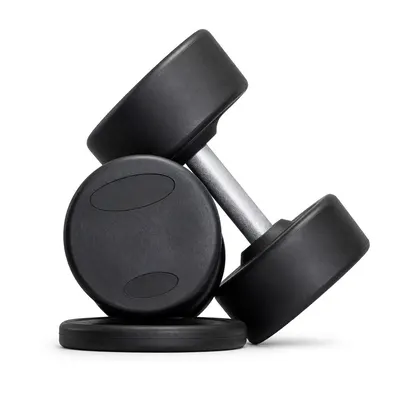
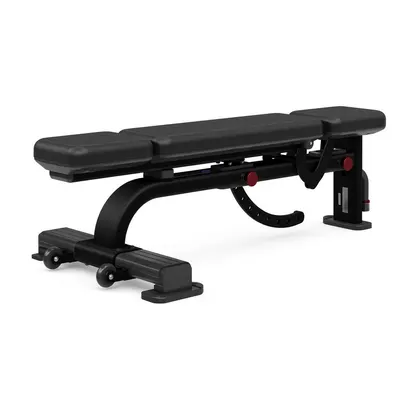
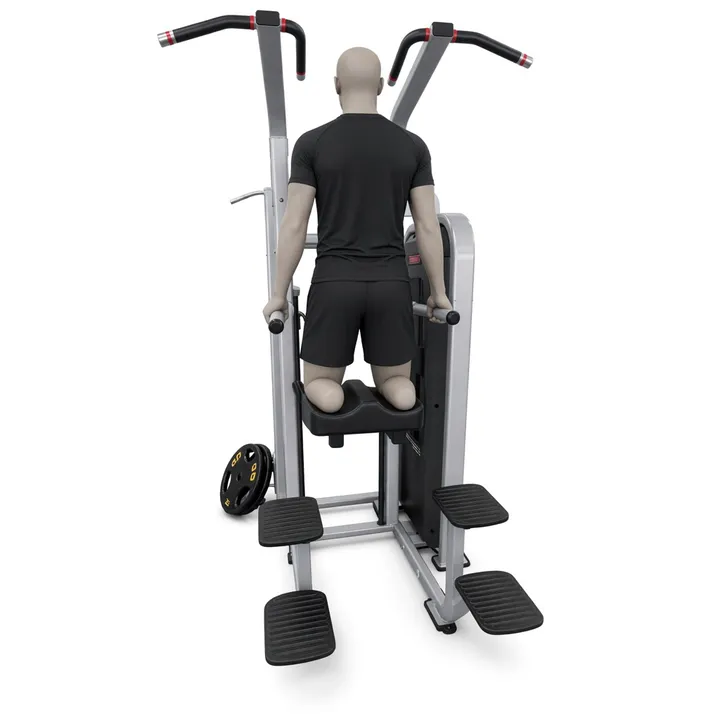
Alternatives for the same muscles
Log your Dumbbell fly sets with GoSet
GoSet remembers your last time, starts your rest on its own and notes your records. Even with no signal in the basement. Coming soon to iPhone and Android.
Common questions
Should I touch the dumbbells together at the top?
You can bring them close, but you don’t need to bang them together. Just come close enough to feel your chest squeeze, then start the next controlled descent.
Should I do dumbbell flys before or after bench press?
In many programs, flys come after a press (barbell, dumbbell, or machine) to finish off the chest with a lighter, more isolation-type movement.
What if I feel shoulder discomfort during dumbbell flys?
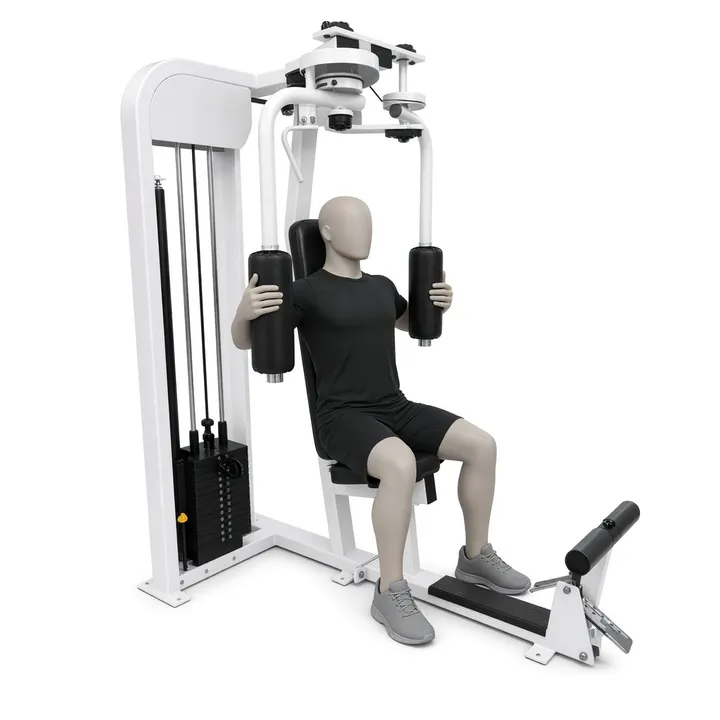
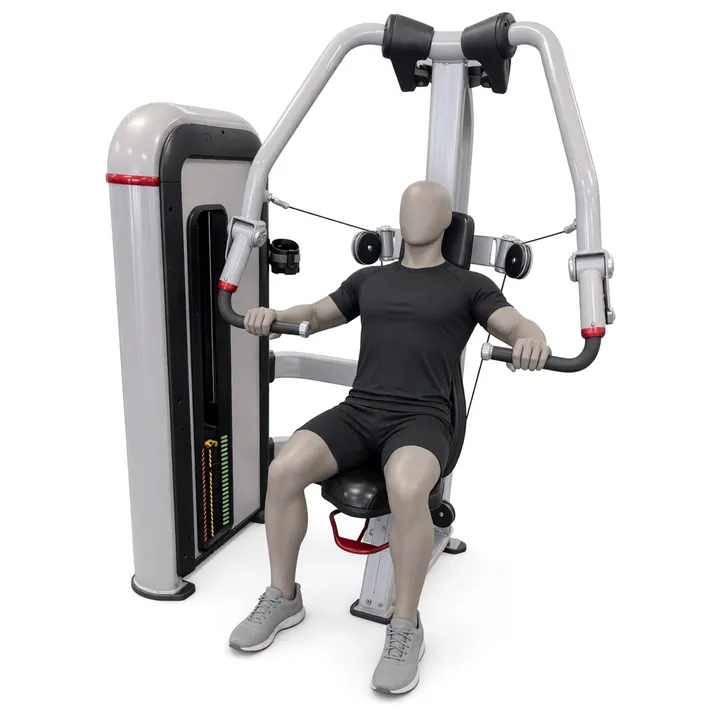
Stop the exercise if you feel pain, especially sharp or pinching pain in the shoulder, and talk to a professional. You can also switch to an alternative like the machine chest fly (pec deck) or a dumbbell or machine chest press, which are often more stable.