Exercise · Chest
Incline dumbbell press on an adjustable bench
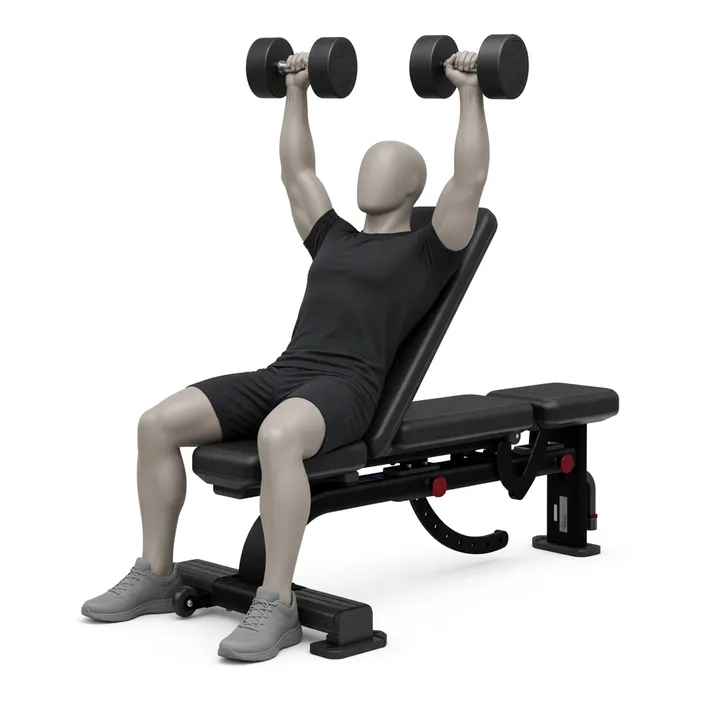
The incline dumbbell press works mainly your chest, with solid help from your shoulders and triceps. You do it on an adjustable bench set between 30° and 45°. It’s a good option if you want to focus on the upper chest with a free, natural range of motion.
Doable at all 76 gyms GoSet follows
The essentials
- Bench inclined between 30° and 45°.
- Press the dumbbells over your upper chest.
Muscles worked
- Primary
- Chest
- Secondary
- Shoulders · Triceps
How to do it
- Set the bench between 30° and 45°, sit down with your feet flat on the floor for stability.
- Place one dumbbell on each thigh, lean back and lie down while guiding the dumbbells near your upper chest, palms facing forward.
- Pin your shoulders into the bench, lift your chest slightly, and keep your elbows under your wrists or slightly in front.
- Inhale, then press the dumbbells up over your upper chest, keeping your wrists neutral and the weights under control.
- At the top, straighten your arms without forcefully locking your elbows, and keep your shoulders down.
- Lower the dumbbells back toward your upper chest in about 2–3 seconds with control, then repeat for your planned reps.
Common mistakes
Bench set too high
Instead : Keep the bench between 30° and 45°. Higher than that shifts a lot of the work to your shoulders and takes focus away from your chest.
Going too deep at the bottom
Instead : Stop the descent when you feel a strong stretch but still in control. If your shoulders pinch or feel off, reduce the range a bit and talk to a professional.
Shoulders shrugging up
Instead : Keep your chest up and think about pulling your shoulders slightly down into the bench for the whole set.
Wrists bent back
Instead : Keep your wrists in line with your forearms. If they fold back, use lighter dumbbells and focus on a firm, neutral grip.
Coach tips
- Start with lighter dumbbells to dial in the path and control before you go heavier.
- Breathe out as you press up and in as you lower the dumbbells over 2–3 seconds to stay in control.
- Keep your elbows not too tucked, not flared straight out; a middle angle is often more comfortable on the shoulders.
- If getting into position is hard with heavy dumbbells, ask someone to hand them to you once you’re lying on the bench.
Variations
- Use an incline closer to 30° if you want a feel a bit closer to a flat dumbbell bench press.
- Use an incline closer to 45° to feel more upper chest and shoulders.
- Use a neutral grip (palms facing each other) for an option that often feels easier on the shoulders.
Sets and reps
People often do 3–4 sets of 8–12 reps on this exercise, adjusting the weight so their form stays solid across all sets.
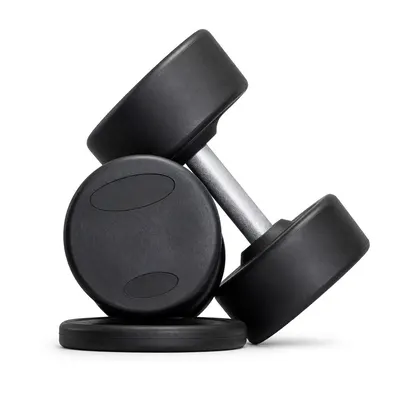
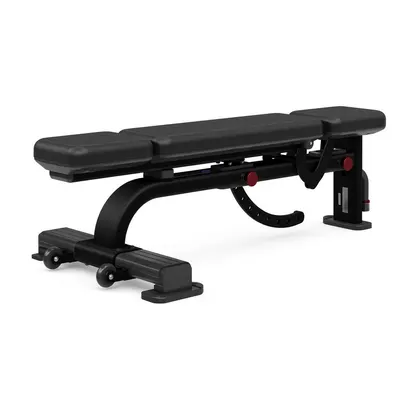
Equipment
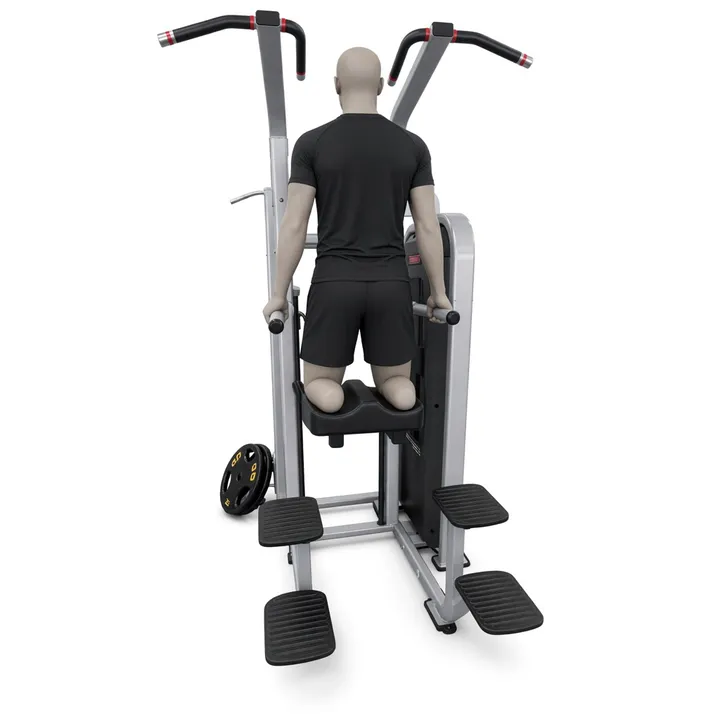
Alternatives for the same muscles
Log your Incline dumbbell press sets with GoSet
GoSet remembers your last time, starts your rest on its own and notes your records. Even with no signal in the basement. Coming soon to iPhone and Android.
Common questions
What angle should the bench be for the incline dumbbell press?
For the incline dumbbell press, aim for an incline between 30° and 45°. That targets the upper chest without turning it into a shoulder press.
How low should I lower the dumbbells?
Lower them toward your upper chest until you feel a good stretch while staying in control. If you feel shoulder pain, stop and talk to a professional, and use a smaller range of motion.
Can I replace the incline dumbbell press if dumbbells feel unstable?
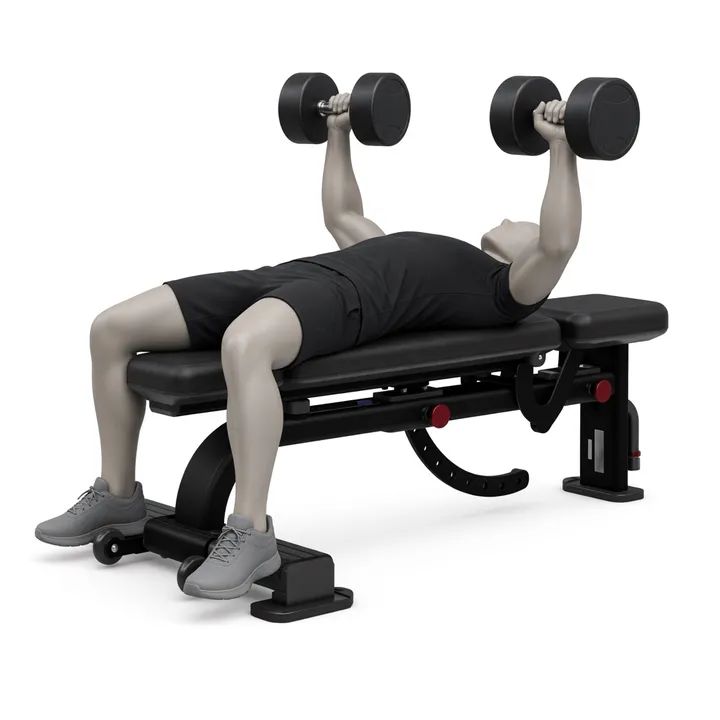
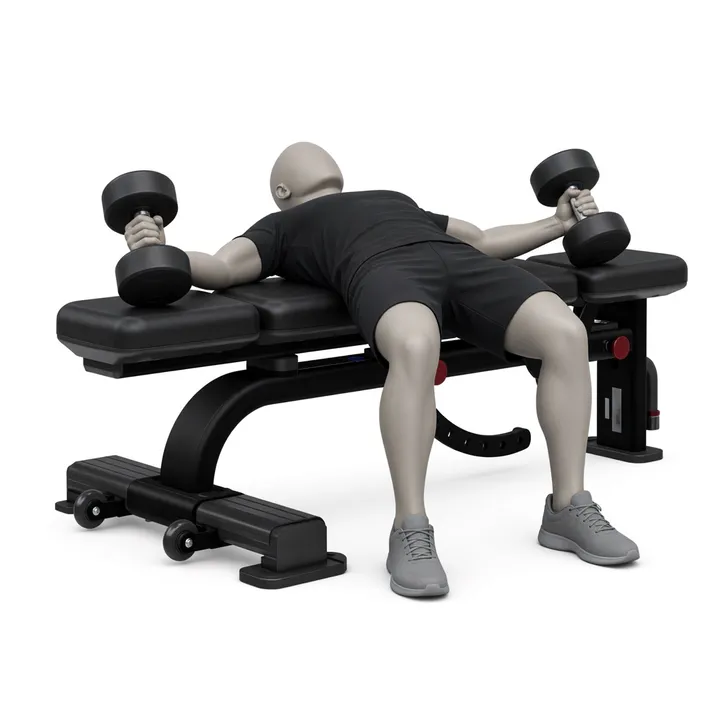
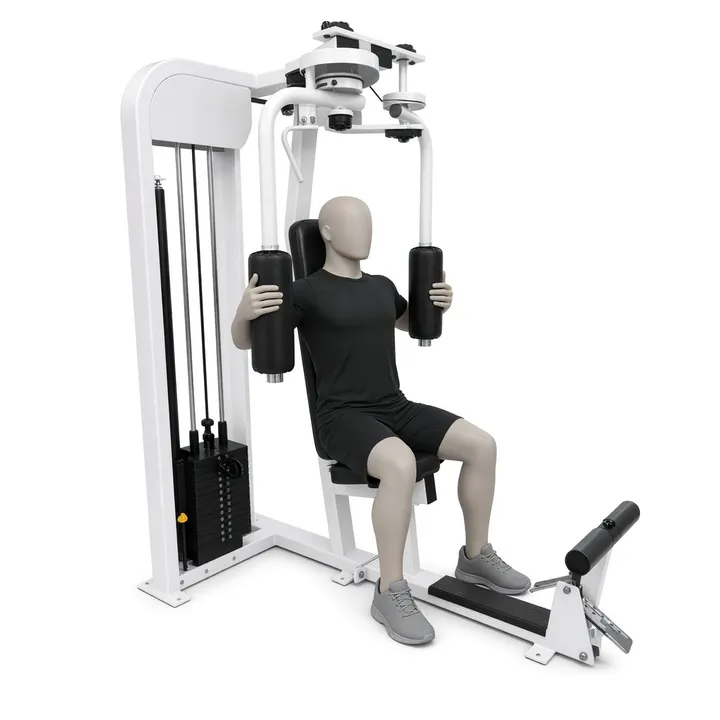
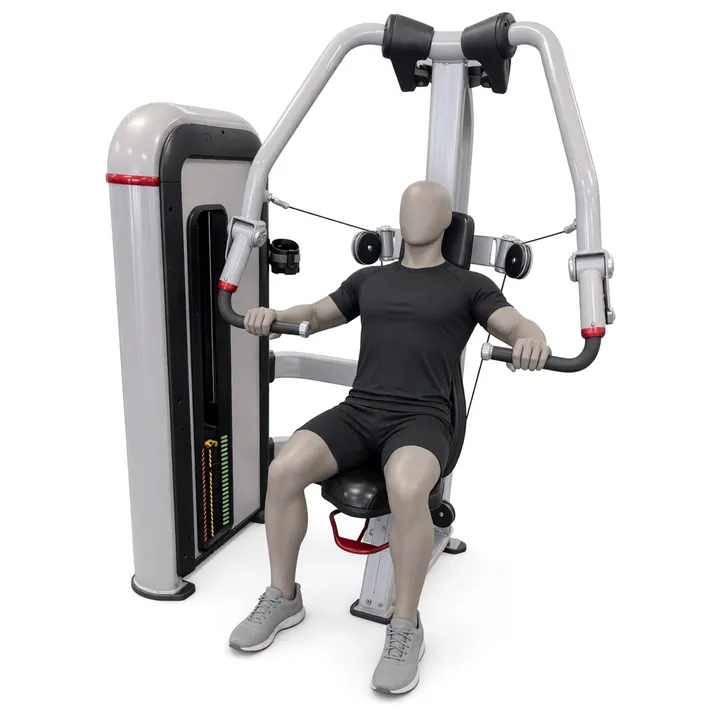
Yes. You can use the dumbbell bench press, the machine chest press, or the machine chest fly (pec deck) to work your chest with more stability.
Which muscles does the incline dumbbell press work?
It mainly works your chest, with your shoulders and triceps helping to press the dumbbells.