Exercise · Legs and glutes
Dumbbell Romanian deadlift
The dumbbell Romanian deadlift is a hip hinge movement that targets your hamstrings and glutes, with support from the lower back. It’s a solid choice if you want to strengthen the back of your legs without loading the spine too much. You just need a pair of dumbbells, so you can do it in almost any gym.
- Hamstrings
- Glutes
- Lower back
Doable at all 76 gyms GoSet follows
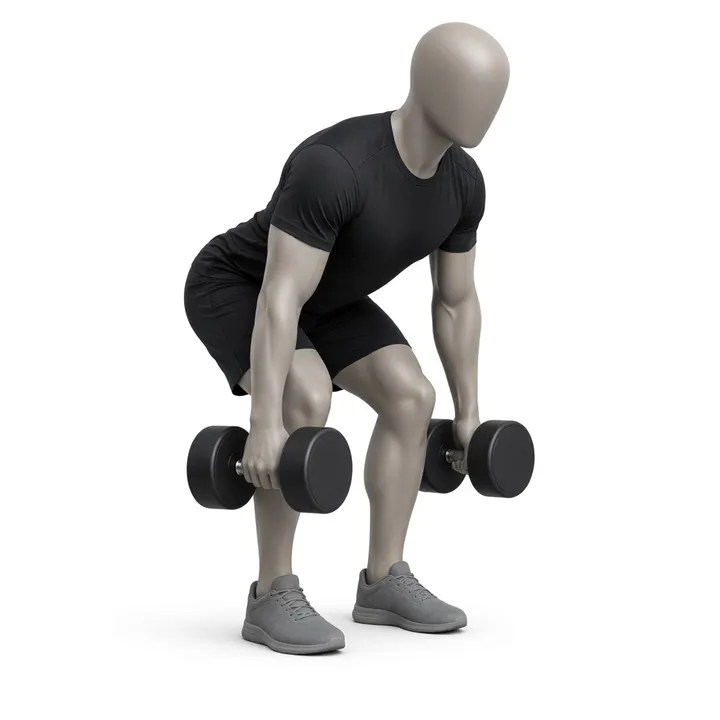
The essentials
- Push your hips back, dumbbells close to your legs.
- Flat back, knees slightly bent.
Muscles worked
- Primary
- Hamstrings · Glutes
- Secondary
- Lower back
How to do it
- Grab a pair of dumbbells and hold them in front of your thighs, palms facing your body, feet about hip-width apart.
- Keep your back flat, shoulders slightly back, and your knees slightly bent.
- Inhale, then push your hips back while letting the dumbbells slide close to your legs, taking about 2 to 3 seconds to lower.
- Lower until you feel a strong stretch in the back of your thighs while keeping your back flat and the dumbbells close to your legs.
- Exhale as you drive your hips forward to stand back up, squeezing your glutes at the top.
- Return to the starting position and repeat your reps with the same control.
Common mistakes
Rounding the back at the bottom
Instead : Shorten your range of motion, keep your chest up, and focus on pushing your hips back instead of dropping your chest toward the floor.
Letting the dumbbells drift away from the legs
Instead : Slide the dumbbells along the front of your thighs on the way down and up so the load stays close to your body.
Bending the knees too much
Instead : Keep just a slight bend in your knees and focus on your hips moving back, not on turning this into a squat.
Going too low just to touch the floor
Instead : Stop the descent as soon as you lose your flat back or the hamstring stretch is already strong, even if the dumbbells don’t reach the floor.
Coach tips
- Think “hips back” instead of “chest down” to feel your hamstrings and glutes more.
- Use a controlled tempo: about 2 to 3 seconds down, a brief pause at the bottom, then come up more explosively without swinging the weights.
- Match your breathing to the movement: inhale as you lower, exhale as you bring your hips forward to stand.
- Start lighter to learn the pattern, then increase the load gradually as long as your back stays flat and the dumbbells stay close to your legs.
Variations
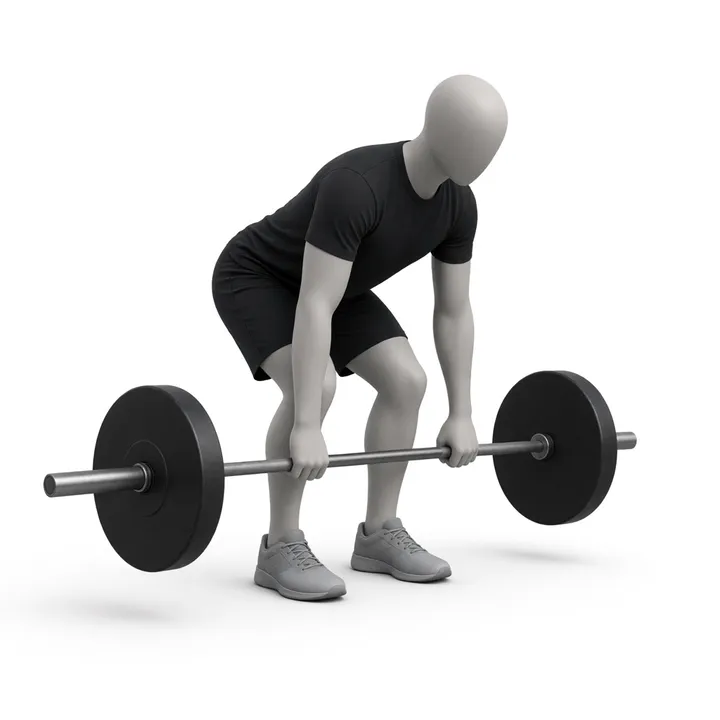
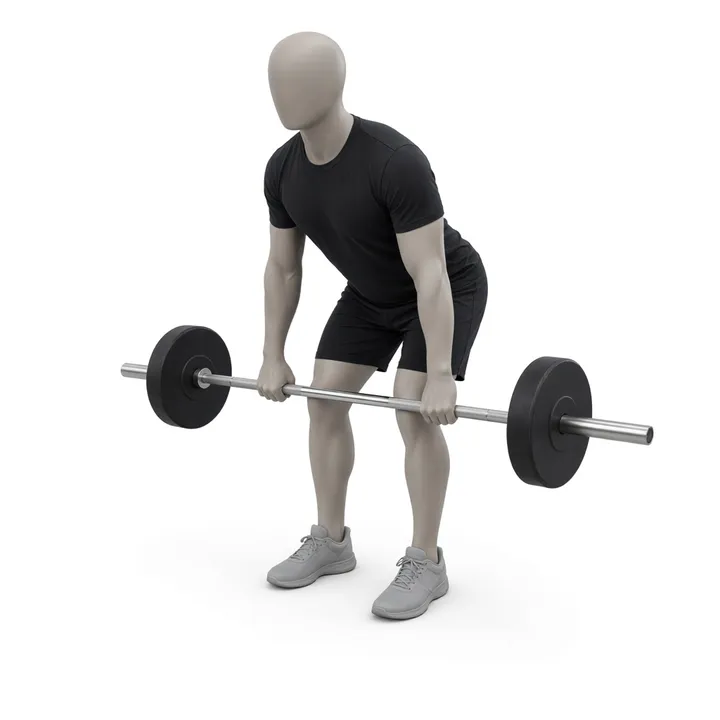
- Romanian deadlift with a barbell if your gym has one and your technique is solid enough to go heavier.
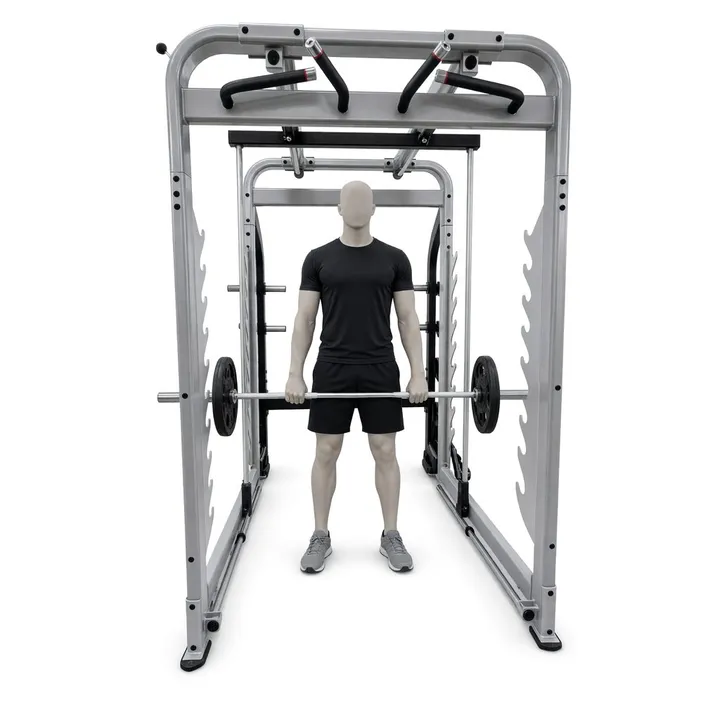
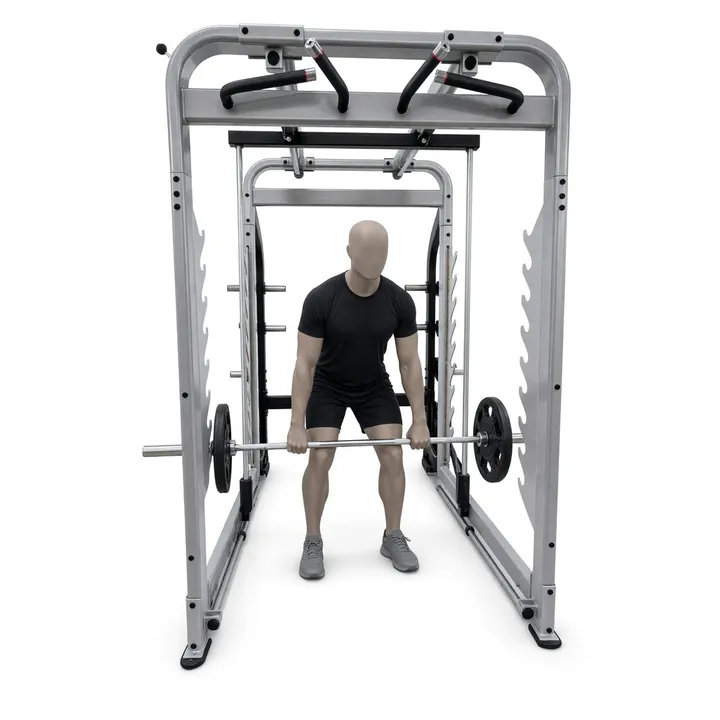
- Smith Romanian deadlift for a more guided path if you want to focus on feeling your hamstrings and glutes.
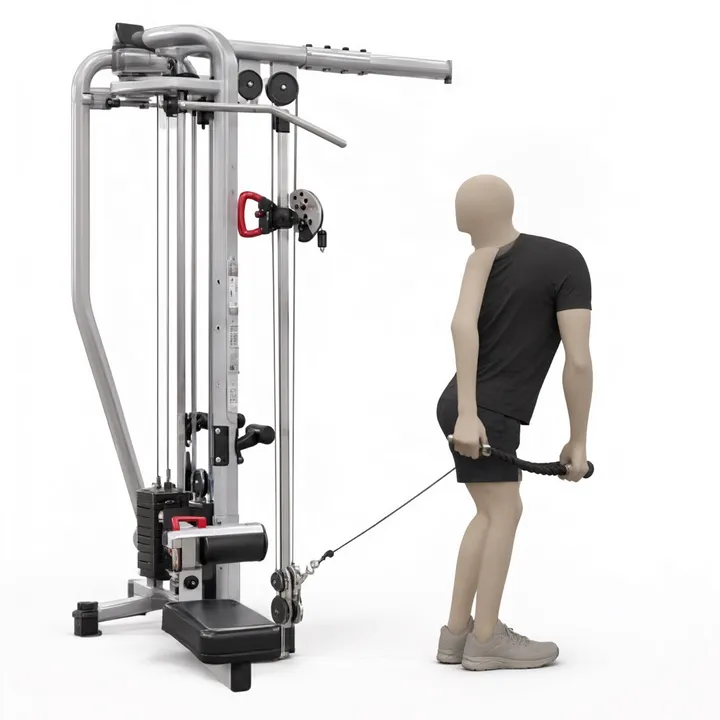
- Cable pull-through for a similar hip-hinge pattern with the resistance pulling you backward.
Sets and reps
In strength training, you’ll often see 3 to 4 sets of 6 to 12 reps for the dumbbell Romanian deadlift, using a weight that still allows good control on every lower phase.
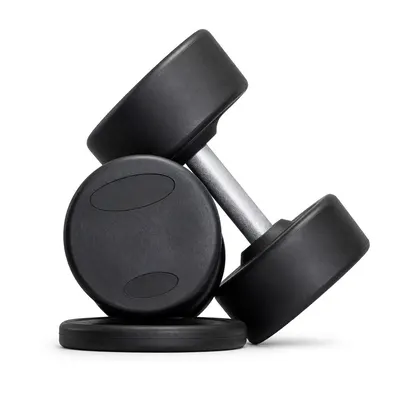
Equipment
Alternatives for the same muscles
Log your Dumbbell Romanian deadlift sets with GoSet
GoSet remembers your last time, starts your rest on its own and notes your records. Even with no signal in the basement. Coming soon to iPhone and Android.
Common questions
How low should I go on the dumbbell Romanian deadlift?
Go down until you feel a solid stretch in the back of your thighs while keeping your back flat and the dumbbells close to your legs. If your back starts to round or you lose control, shorten the range.
I feel it mostly in my lower back, is that normal?
You should mainly feel it in your hamstrings and glutes. If it’s only your lower back, reduce the weight, slow down the descent, and focus on pushing your hips back. If you feel pain in your lower back, stop the exercise and talk with a professional.
Can I swap the dumbbell Romanian deadlift for another variation?
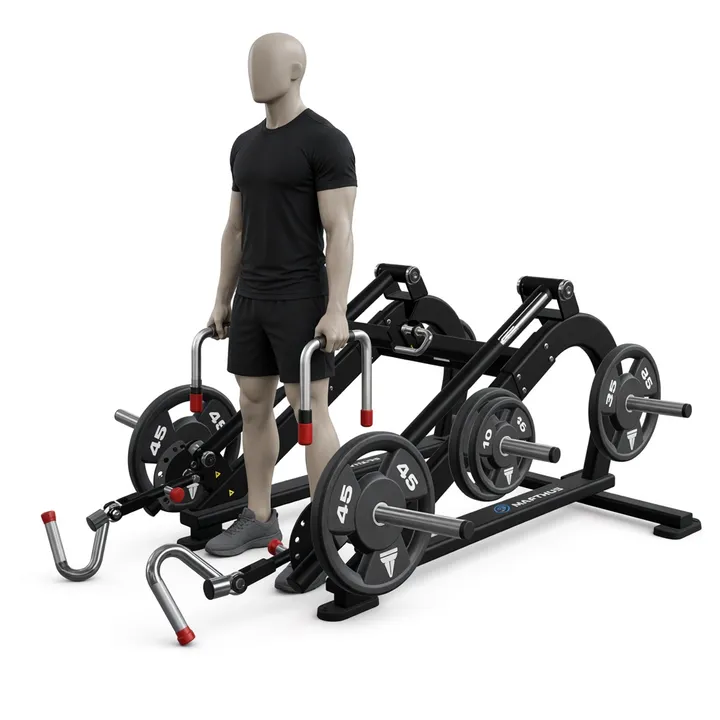
Yes, you can use a regular deadlift, Smith deadlift, Romanian deadlift on the Smith, a machine deadlift, or a cable pull-through. Pick what your gym has and what you control best.
Do my legs need to stay completely straight?
No, keep your knees slightly bent and stable. The work comes mostly from your hips moving back and forward, not from locking out your knees.