Exercise · Legs and glutes
Machine deadlift at the gym
The machine deadlift uses a dedicated deadlift machine with handles near the floor. It mainly works your glutes and hamstrings, with help from the quadriceps, lower back, and traps. It’s a solid option if you want a deadlift-style movement with more stability.
- Glutes
- Hamstrings
- Quadriceps
- Lower back
- Traps
Doable at 75 of the 76 gyms GoSet follows
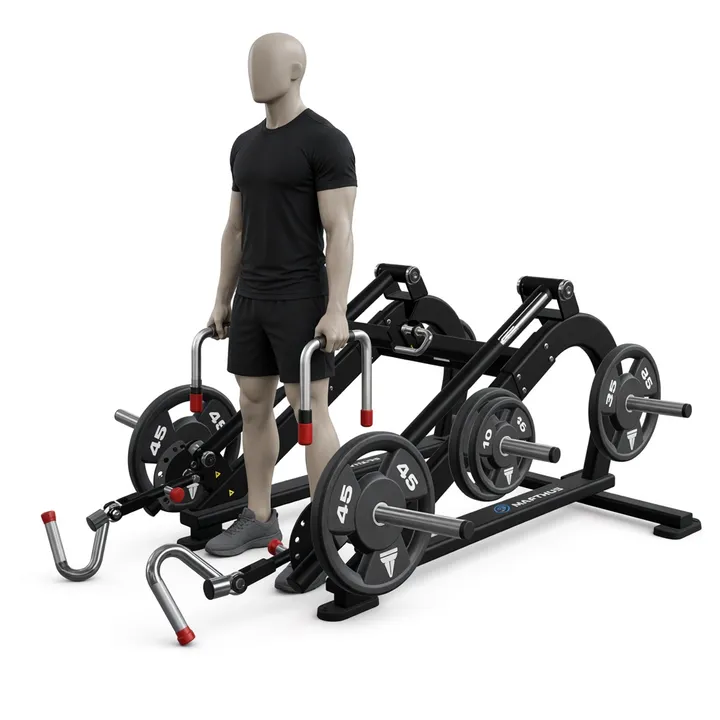
The essentials
- Feet under the handles, flat back.
- Push through the floor and stand up by driving your hips forward.
Muscles worked
- Primary
- Glutes · Hamstrings
- Secondary
- Quadriceps · Lower back · Traps
How to do it
- Set up on the deadlift machine with your feet under the handles, about hip-width apart, flat on the floor.
- Slightly bend your knees, push your hips back and lean your torso forward with a flat back to grab the handles.
- Brace your core, take a big breath in, and fix your eyes on a spot on the floor in front of you, keeping your back flat.
- Push through the floor with your feet and stand up by driving your hips forward until you’re upright, shoulders over hips.
- At the top, stay in control without thrusting your hips too far forward, and breathe out.
- Lower the weight over 2–3 seconds by pushing your hips back, keeping a soft bend in the knees and a flat back, until you’re close to the starting position, then go into the next rep.
Common mistakes
Rounding the back at the bottom
Instead : Keep the load closer to your body, open your chest and think about sending your hips back. If your back keeps rounding, reduce the range of motion or the weight.
Driving the hips too far forward
Instead : At the top, aim for a neutral upright stance with shoulders lined up over your hips. Stop there, no need to snap your hips forward.
Bending the knees too much
Instead : Keep a slight bend in your knees, but focus on pushing your hips back. That helps you feel your glutes and hamstrings instead of turning it into a squat.
Letting the weight drop too fast
Instead : Control the way down over 2–3 seconds. If you lose control or bounce at the bottom, lower the weight.
Coach tips
- Start with a lighter load to dial in your range of motion and a comfortable back position.
- Inhale just before you lift, keep that air to brace your core, then exhale at the top once the rep is done.
- Think about pushing the floor away and sending your hips far back to better feel your glutes and hamstrings.
- You can add a brief 1-second pause at the bottom to reset your back and stance on heavier sets.
Variations
- Partial range of motion focusing on the bottom part, staying where you can keep a solid back position.
- Feet slightly wider or narrower to find where you feel your glutes and hamstrings working best.
- Controlled lifts with an extra slow 3–4 second lowering phase to emphasize control of the movement.
Sets and reps
This movement often shows up for about 3–5 sets of 5–10 reps with heavier weight, or 8–15 reps with a more moderate load to focus on control.
Equipment
Alternatives for the same muscles
Log your Machine deadlift sets with GoSet
GoSet remembers your last time, starts your rest on its own and notes your records. Even with no signal in the basement. Coming soon to iPhone and Android.
Common questions
Does the machine deadlift replace regular deadlifts?
It’s a good alternative if you want more stability or a simpler setup. You target the same main areas (glutes, hamstrings, quadriceps, lower back, traps), but the path is more guided and the load is easier to manage.
What should I feel working?
Mainly your glutes and the back of your thighs, with some tension in the lower back that feels stable, not painful. If you feel sharp or unusual pain in your back, stop and talk to a professional.
Where should I place my feet on the machine?
Put them under the handles, about hip-width apart, flat on the floor. You can go a bit wider or narrower depending on where you feel most stable and where you best feel your glutes and hamstrings.
What if my gym doesn’t have a deadlift machine?
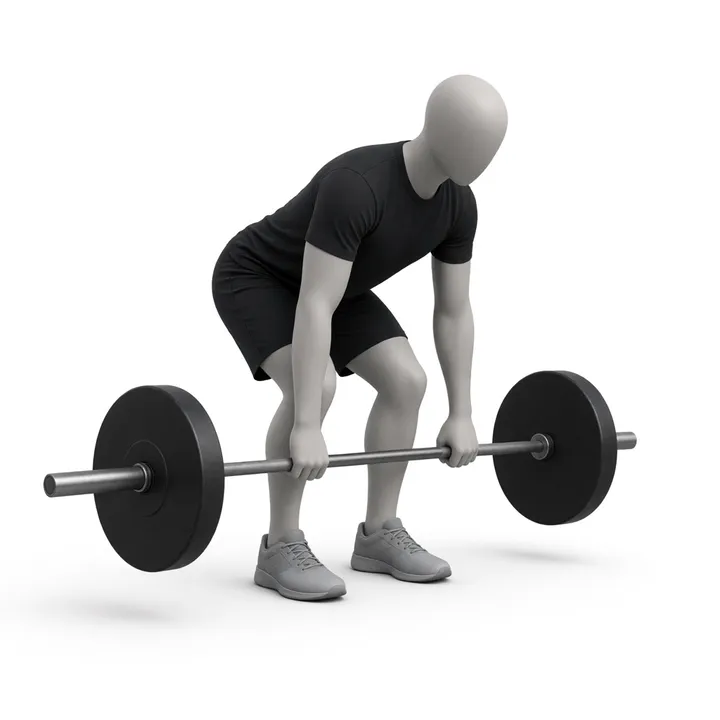
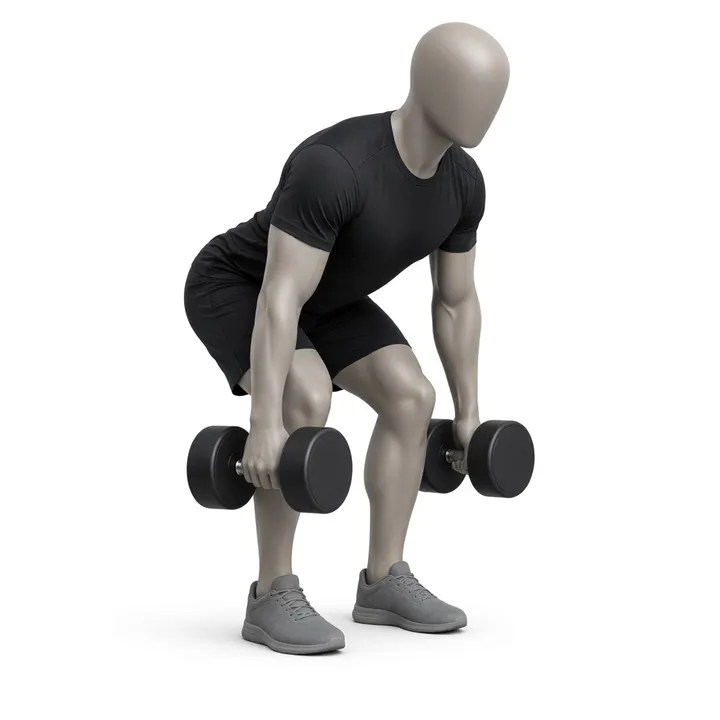
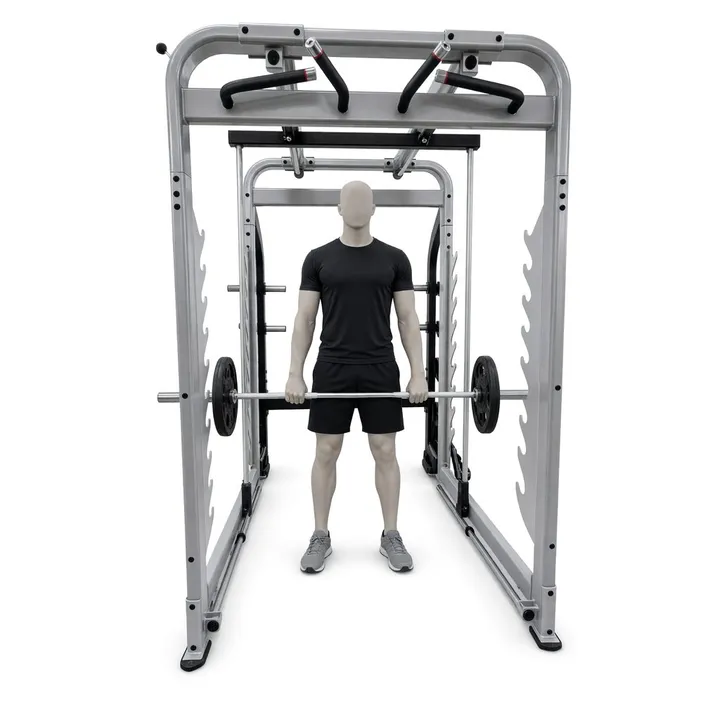
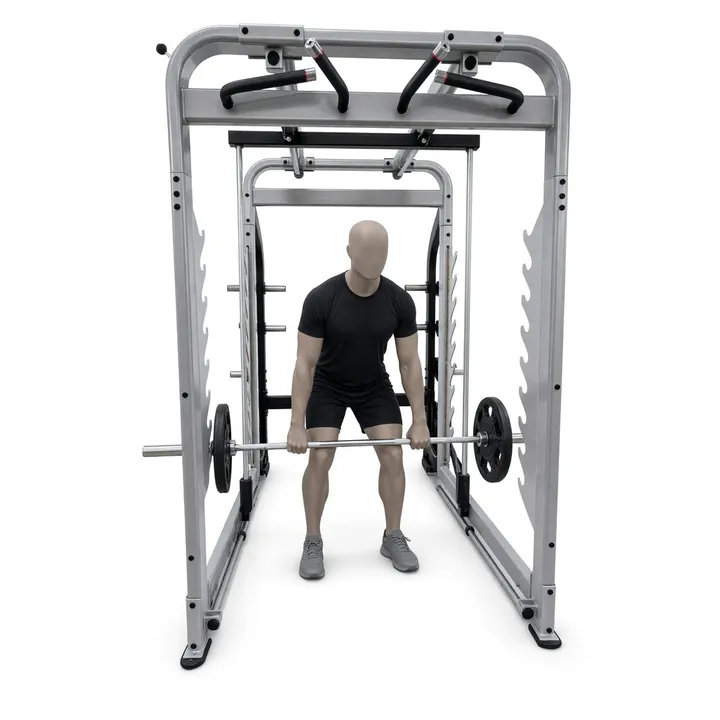
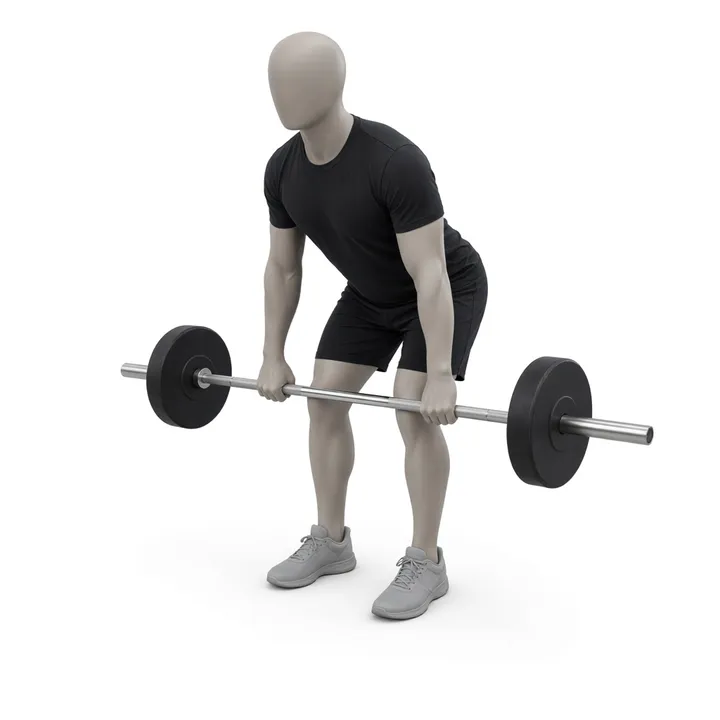
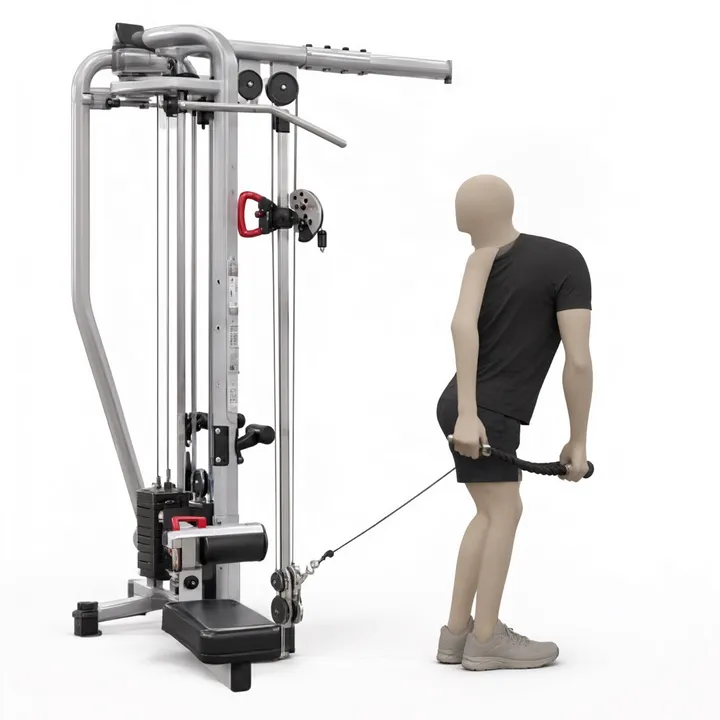
You can go with the deadlift, Romanian deadlift (with a bar, dumbbells, or on a Smith machine), or the cable pull-through to train similar areas.