Exercise · Legs and glutes
Cable pull-through: how to do it properly
The cable pull-through is a hip hinge done with a rope attached to a low pulley and passing between your legs. It mainly targets your glutes and the back of your thighs, with some help from your lower back. It’s useful if you want to practice a deadlift-style movement without having a bar in front of you.
- Glutes
- Hamstrings
- Lower back
Doable at 72 of the 76 gyms GoSet follows
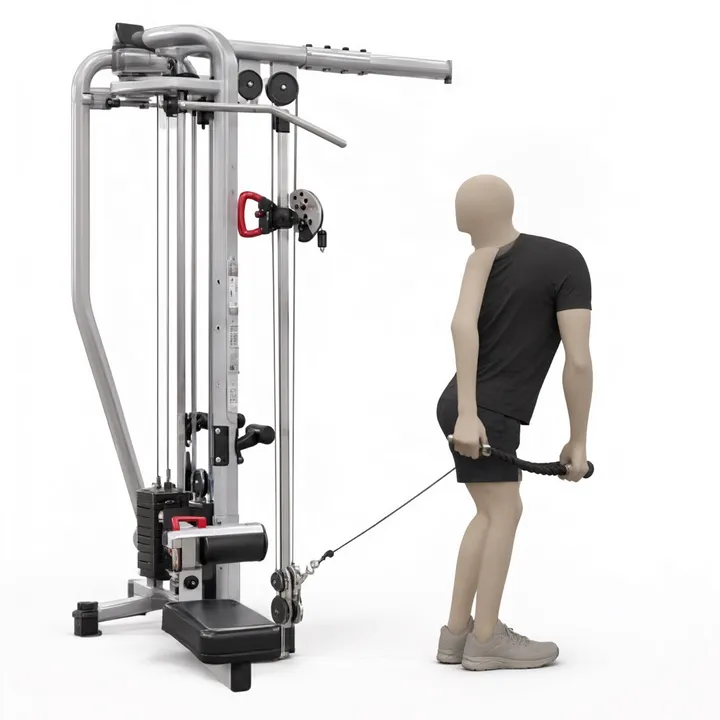
The essentials
- Face away from the low pulley, rope between your legs.
- Hinge your hips back, then drive them forward.
Muscles worked
- Primary
- Glutes · Hamstrings
- Secondary
- Lower back
How to do it
- Set the cable to the low position, attach the rope, turn to face away from the machine, and grab the rope between your legs with your arms reaching back.
- Walk forward a few steps to create tension, set your feet about shoulder-width apart, knees slightly bent, feet stable.
- Keep your back straight, look forward, then push your hips back, letting the rope travel between your legs until you feel a stretch in your glutes and hamstrings.
- Keep your arms almost passive; don’t pull with your shoulders. The movement comes from your hips going back.
- Push the floor away with your feet and drive your hips forward until you stand tall, squeezing your glutes without over-arching your lower back.
- Breathe normally, control the way down for about 2–3 seconds, pause briefly at the bottom, then come up in a controlled, powerful motion.
Common mistakes
Turning it into a squat
Instead : Focus on pushing your hips far back while keeping only a slight bend in your knees. Your torso leans forward, your heels stay on the floor, and your hips travel behind you.
Rounding the lower back
Instead : Lightly brace your abs, keep your chest open, and imagine a string pulling the top of your head forward. If you feel your back rounding, shorten the range of motion and stop a bit higher.
Pulling with the arms instead of the hips
Instead : Let your arms act like hooks. Focus on hips back on the way down and hips forward to stand up. If you mostly feel your arms, lower the weight.
Thrusting the hips too far forward
Instead : Stand up until you’re straight, glutes tight, but don’t drive your hips past neutral. Think about growing tall rather than pushing your belly out.
Coach tips
- Start light to learn the hip hinge pattern, then add weight only once you control the path of the movement.
- Inhale as you push your hips back, then exhale as you drive your hips forward to stand up.
- Keep the pressure mostly through your heels and mid-foot, not your toes. If you lose balance, reduce how far you walk out or how far you hinge.
- If you feel too much in your lower back, shorten the range, slow down the descent, and stop if it becomes painful, then talk to a professional.
Variations
- Cable pull-through with pause at the bottom: hold the stretched position for 1–2 seconds before standing up to better feel your glutes and hamstrings.
- Cable pull-through with wider stance: set your feet a bit wider to find a position where you can push your hips back more without losing balance.
Sets and reps
Cable pull-throughs are often done for 3 to 4 sets of 8 to 15 reps, with a moderate weight you can control well. They’re often placed after a heavier deadlift- or leg-type exercise.
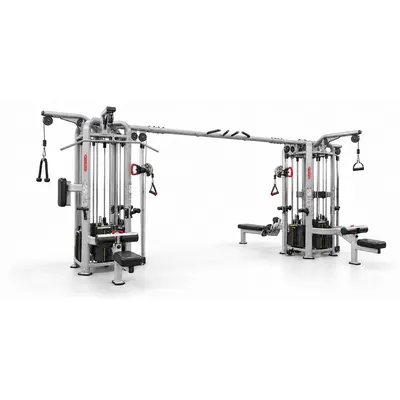
Equipment
Alternatives for the same muscles
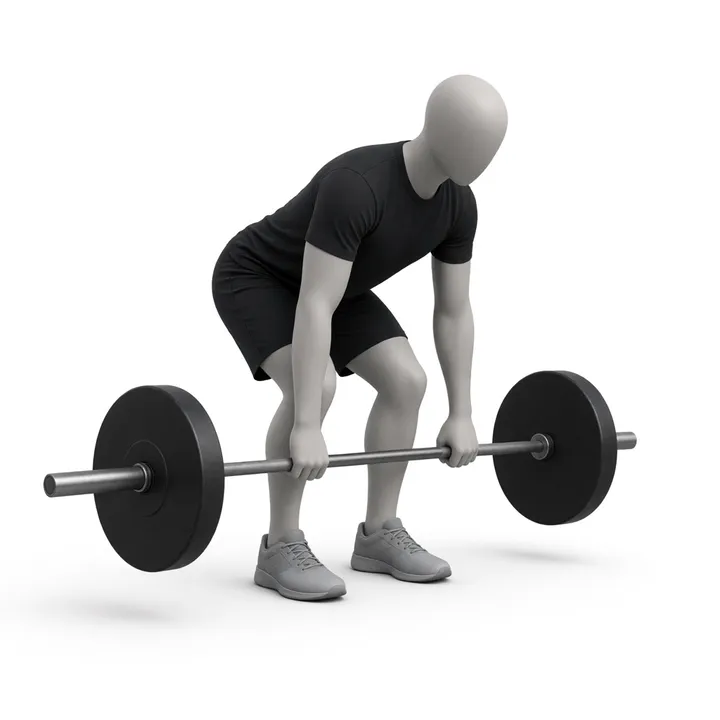
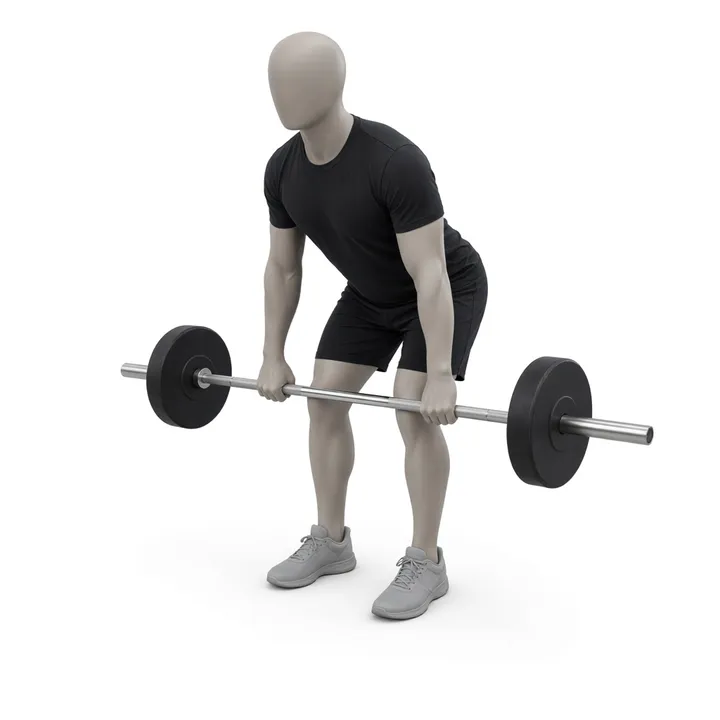
Log your Cable pull-through sets with GoSet
GoSet remembers your last time, starts your rest on its own and notes your records. Even with no signal in the basement. Coming soon to iPhone and Android.
Common questions
Where should I feel the cable pull-through?
Mainly in your glutes and the back of your thighs. You may feel your lower back working a bit to stabilise, but it shouldn’t be painful. If you feel sharp or burning pain in your lower back, stop and talk to a professional.
How do I pick the right weight for cable pull-throughs?
Start with a load that lets you control the way down and stand up without using momentum on all your reps. If your arms are doing most of the work or your form breaks down, the weight is too heavy.
Does the cable pull-through replace deadlifts?
It trains a similar hip hinge pattern and works your glutes and hamstrings, a bit like deadlifts or Romanian deadlifts. It can be a good alternative if you don’t like working with a bar on the floor or your gym is very busy.
What if my gym doesn’t have a cable for pull-throughs?
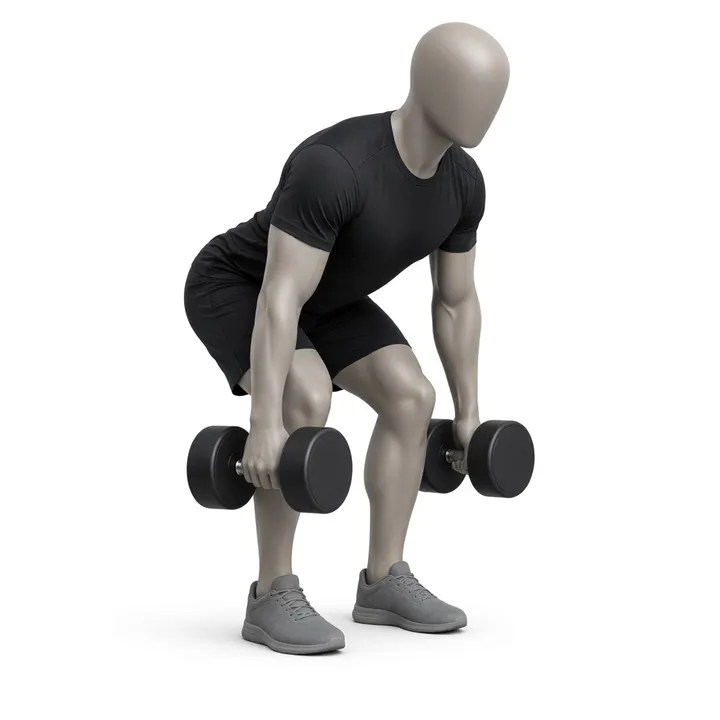
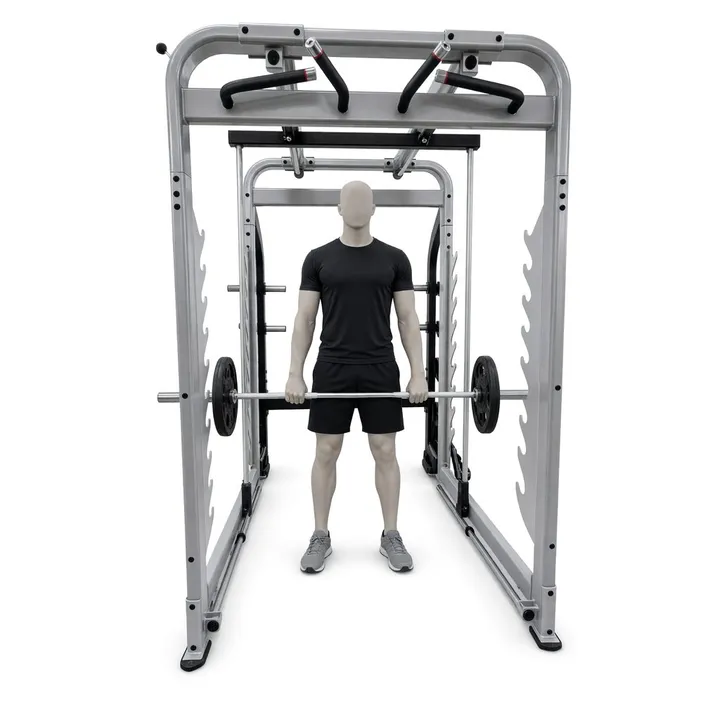
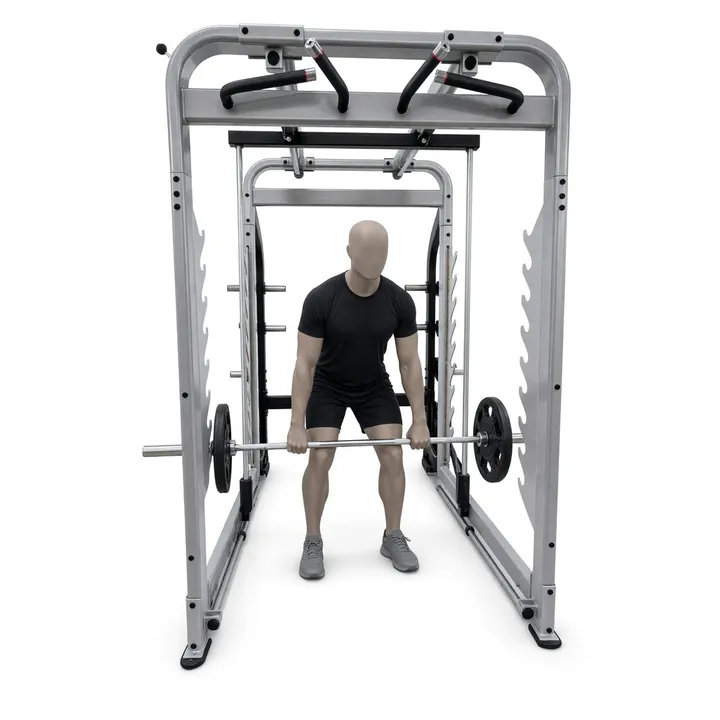
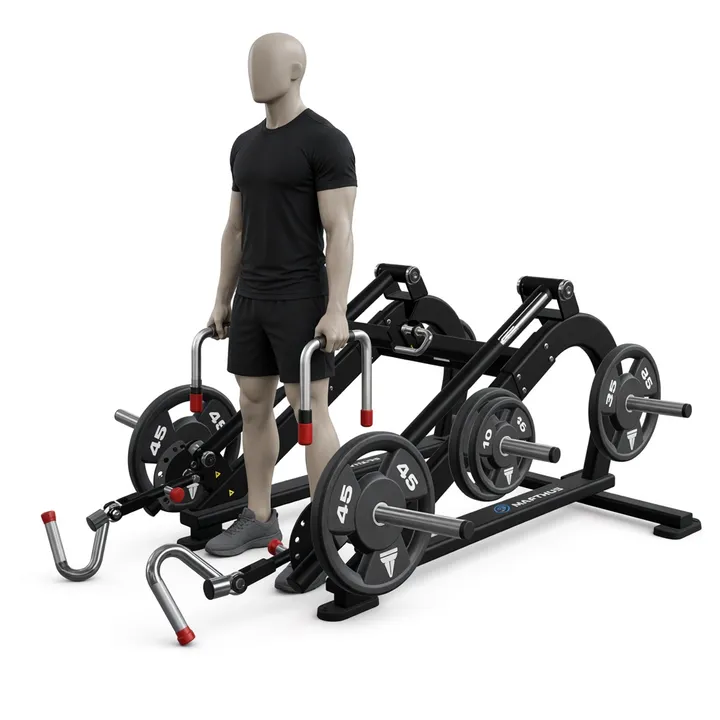
You can get a similar movement with a deadlift or Romanian deadlift, using a barbell, dumbbells, a Smith machine, or a deadlift machine, depending on what your gym has and what you’re comfortable with.