Exercise · Arms
Incline dumbbell curl on an adjustable bench
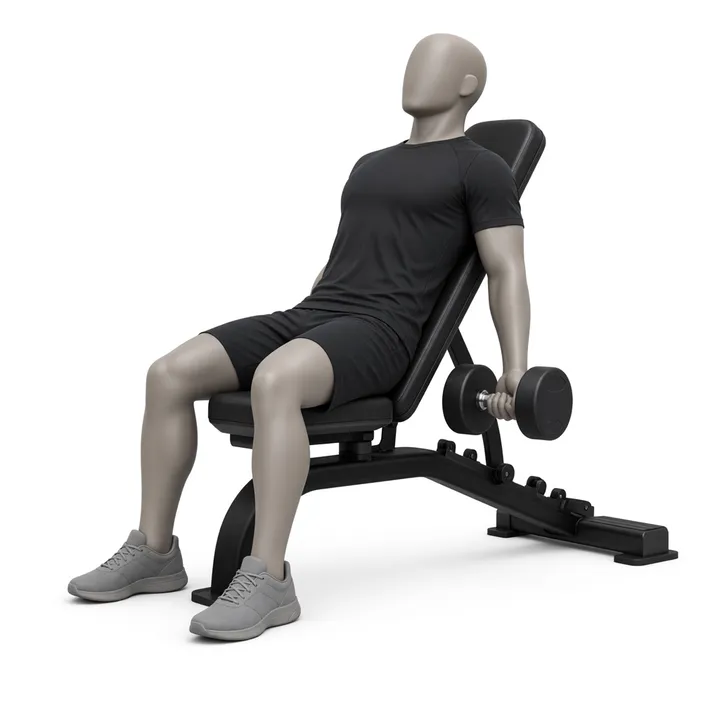
The incline dumbbell curl is done seated on an adjustable bench with your back supported and your arms hanging down. The bench angle increases the tension on your biceps and also brings the forearms into play. It’s a solid option if you want to feel your biceps work without loading your lower back too much.
- Biceps
- Forearms
Doable at all 76 gyms GoSet follows
The essentials
- Back on the incline bench, arms hanging.
- Curl without bringing your elbows forward.
Muscles worked
- Primary
- Biceps
- Secondary
- Forearms
How to do it
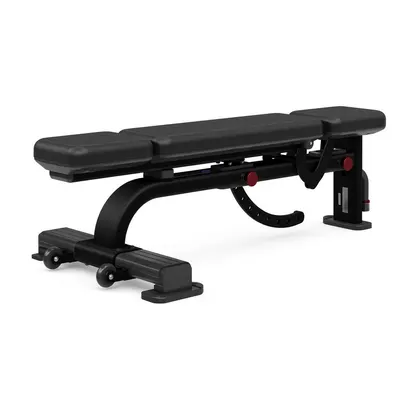
- Set the bench to an incline position (not fully upright, not almost flat) and sit with your back firmly on the pad and your feet on the floor.
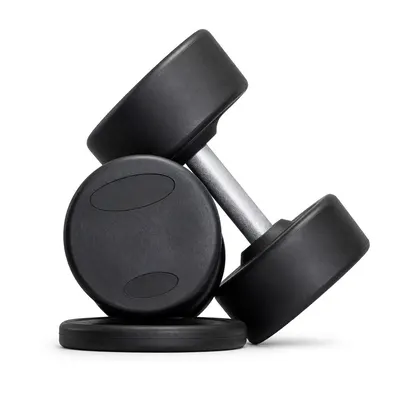
- Hold a dumbbell in each hand with your arms hanging straight down, palms facing in or slightly forward.
- Keep your elbows under your shoulders and close to your sides, then bend your elbows to curl the dumbbells up without bringing your elbows forward.
- Lift under control until your biceps are fully contracted, without swinging your shoulders or arching off the bench.
- Lower the dumbbells slowly over about 2 to 3 seconds, until your arms are almost fully extended again, keeping tension and control.
- Breathe steadily: inhale as you lower, exhale as you curl up, while keeping your shoulders pressed into the bench.
Common mistakes
Elbows drifting forward at the top
Instead : Think about keeping your elbows stacked under your shoulders. If you see your elbows move forward as you curl, lighten the weight and focus on keeping your upper arm still.
Back lifting off the bench
Instead : Set your shoulder blades and lower back against the bench before you start. If you need to peel off the pad to get the weight up, the load is likely too heavy.
Rushing up and dropping the weight down
Instead : Use a controlled tempo: about 1 to 2 seconds on the way up, 2 to 3 seconds on the way down. Pick a weight that lets you keep this rhythm the whole set.
Cutting the range of motion short
Instead : Lower until your arms are almost fully straight without forcing the elbow joint. At the top, aim for a strong biceps squeeze without jamming the dumbbells into your shoulders.
Coach tips
- Start with a moderate bench angle. The more laid-back you are, the more your biceps are stretched and the harder the curl will feel.
- Keep your wrists neutral and in line with your forearms to shift more work to the biceps and reduce forearm strain.
- To feel your biceps more, add a one‑second pause at the top of each rep and actively squeeze the muscle.
- This move is often used after a heavier biceps or pulling exercise, with a slightly lighter load and strict control.
Variations
- You can keep your palms facing in (neutral grip) the whole time for a feel closer to a hammer curl.
- You can gradually rotate your wrists as you curl, from palms in at the bottom to palms up at the top, to emphasise the biceps squeeze.
- If you are getting very fatigued, you can do a set on the same bench in a more upright position to reduce the stretch and still keep training.
Sets and reps
This exercise is often done for 3 to 4 sets of 8 to 15 reps, with a moderate load and a controlled tempo to really target the biceps. It commonly shows up in the middle or toward the end of a pulling or arm workout.
Equipment
Alternatives for the same muscles
Log your Incline dumbbell curl sets with GoSet
GoSet remembers your last time, starts your rest on its own and notes your records. Even with no signal in the basement. Coming soon to iPhone and Android.
Common questions
What bench angle should I use for incline dumbbell curls?
There isn’t one perfect angle for everyone. A middle setting usually works well, not too flat and not fully upright. The more you recline the bench, the more your biceps are stretched and the harder it feels. Adjust based on comfort and how much tension you want.
Can I do incline dumbbell curls with one arm at a time?
You can, but this curl is often done with both arms together to take full advantage of the stable seated position. If you go one arm at a time, keep the same basics: back on the bench, elbow fixed, controlled motion.
I feel this mostly in my forearms, is that normal?
Your forearms work too, especially to grip the dumbbells. To shift more to the biceps, keep your wrists straight and avoid crushing the handles too hard. Dropping the weight a bit and slowing the lowering phase often helps you feel your biceps more.
What can I swap incline dumbbell curls for at my gym?
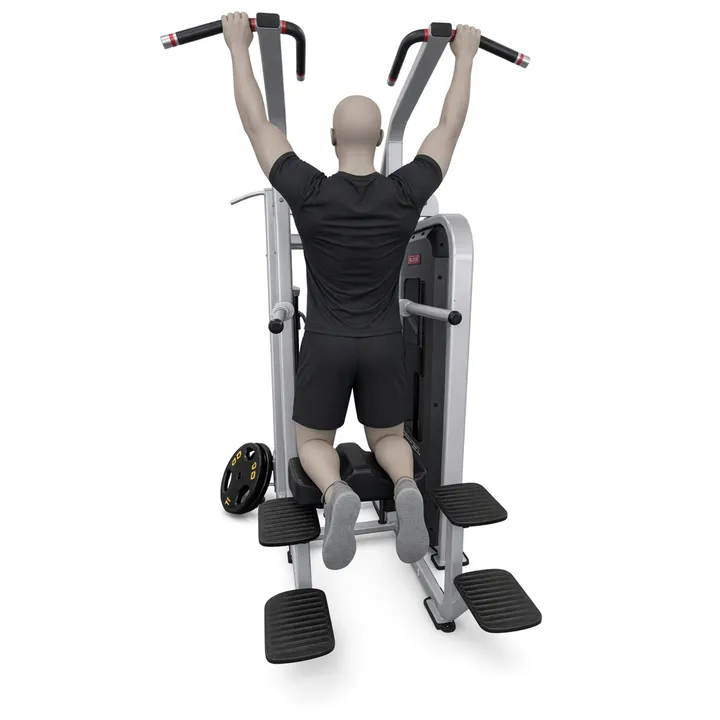
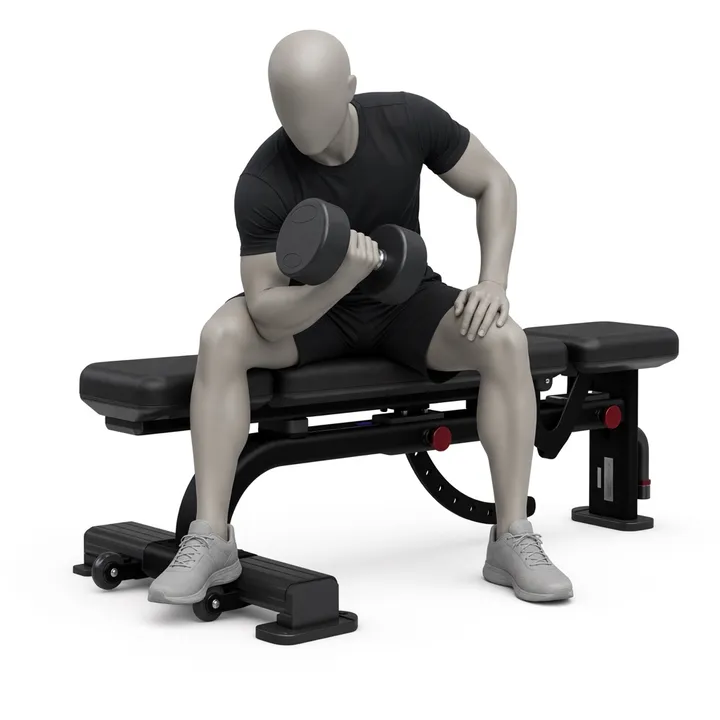
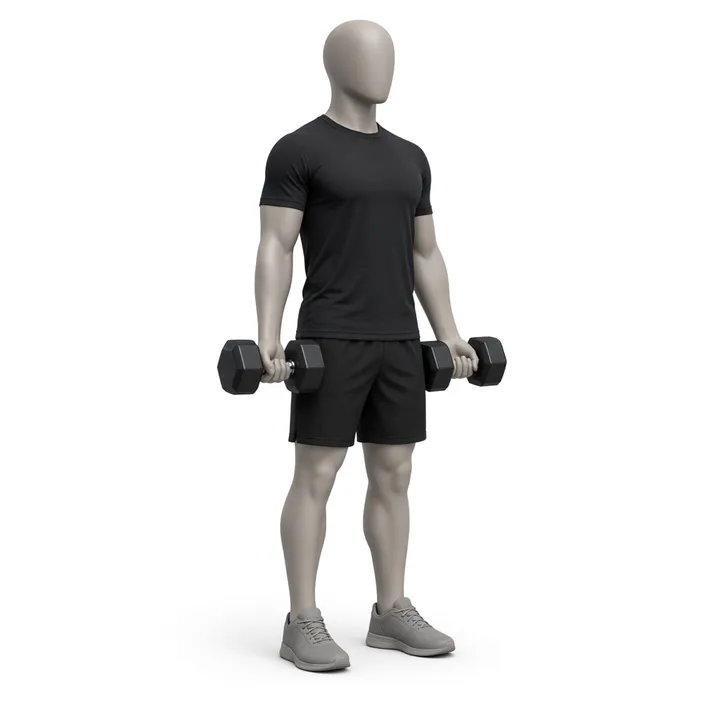
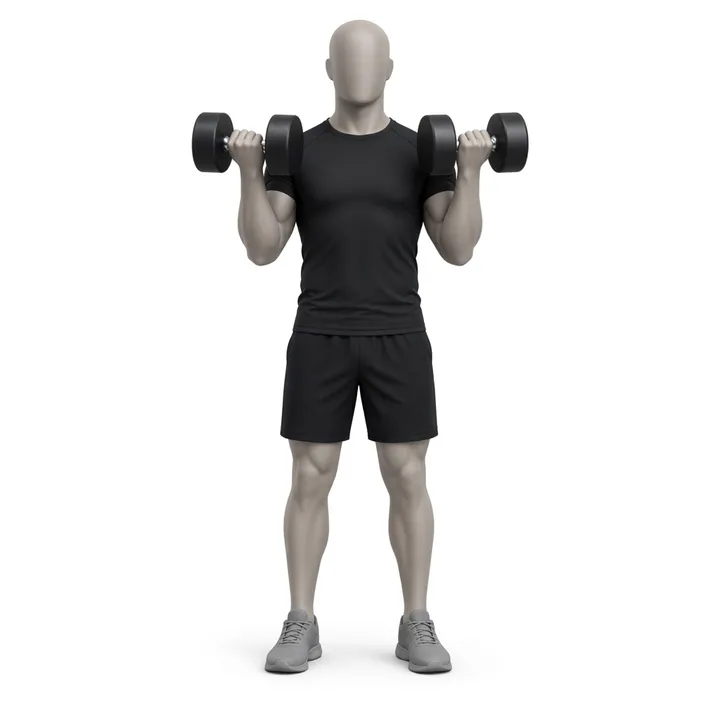
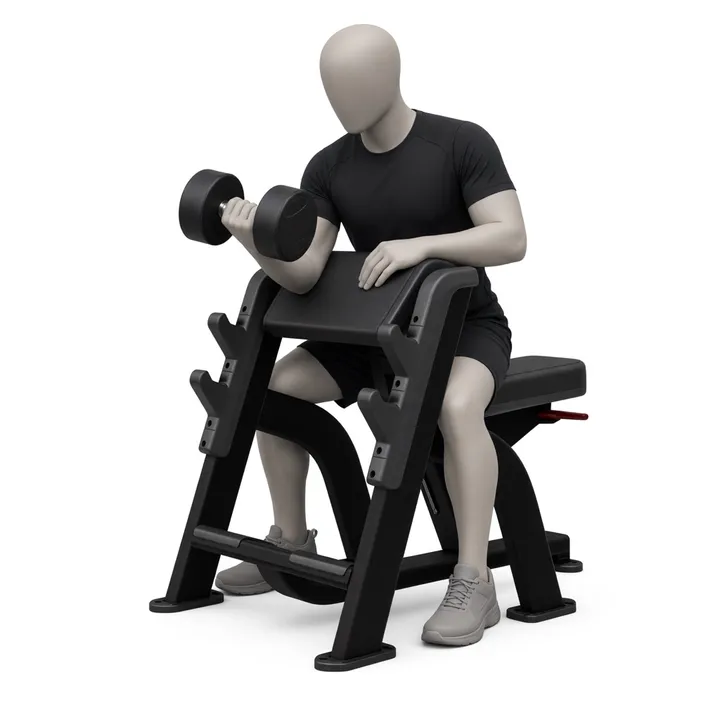
At most gyms, you can switch to dumbbell curls standing, dumbbell hammer curls, concentration curls, or dumbbell preacher curls. All of these still focus mainly on training your biceps with free weights.