Exercise · Legs and glutes
Lying leg curl on the machine
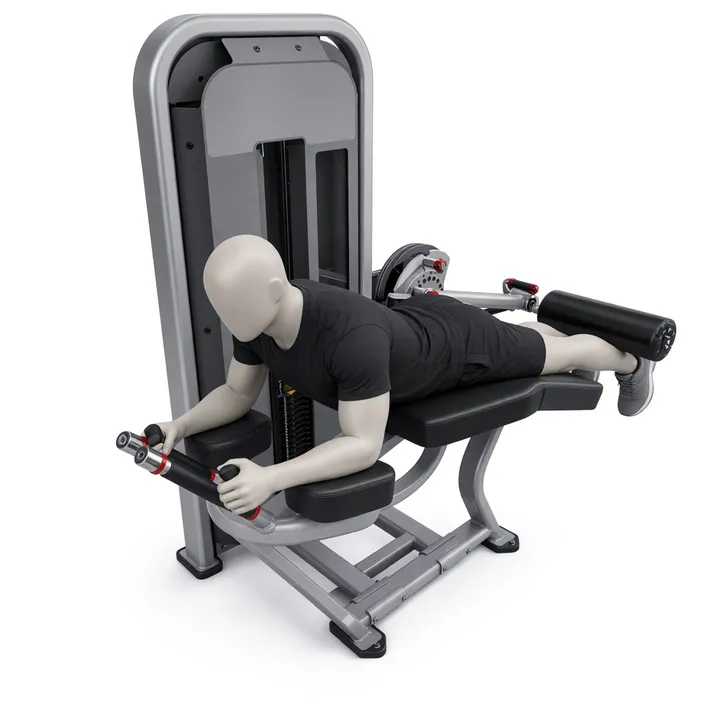
The lying leg curl is the machine where you lie on your stomach and bend your knees to work your hamstrings. It mainly targets the back of your thighs, with some help from the calves. It’s a solid option if you want to isolate your hamstrings without loading your lower back too much.
Doable at all 76 gyms GoSet follows
The essentials
- Keep your hips pressed into the bench.
- Curl your heels toward your glutes without jerking.
Muscles worked
- Primary
- Hamstrings
- Secondary
- Calves
How to do it
- 1. Lie face down on the machine bench with your hips pressed into the pad and your lower back in a neutral position, not overly arched.
- 2. Adjust the roller so it sits above your ankles, just above the heel, with your feet lined up with your knees, not caving in or turning out too much.
- 3. Grab the handles or the front of the bench to stabilize, take a deep breath, and keep your hips glued to the bench.
- 4. Curl your heels toward your glutes without jerking, in a controlled way, until your knees are bent, then pause briefly at the top without letting your hips lift.
- 5. Lower the weight under control over 2 to 3 seconds, until your knees are almost straight, without bouncing at the bottom.
- 6. Breathe steadily: inhale as you lower, exhale as you curl the weight up, keeping the movement smooth.
Common mistakes
Letting the hips lift off the bench
Instead : Slide yourself tight against the pad, hold the handles firmly, and focus on pressing your lower stomach into the bench for the whole set. If your hips still pop up, lower the weight.
Throwing the weight up with momentum
Instead : Slow down the start of the movement and aim for a controlled 1–2 second curl. Use a weight that you can move without needing to swing.
Dropping fast and bouncing at the bottom
Instead : Keep a 2–3 second lowering phase and stop just before your knees fully lock out to avoid bouncing off the bottom position.
Feet turning too far in or out
Instead : Set your feet in line with your knees and keep them there through the whole set so you’re not twisting at the knees.
Coach tips
- Start with a lighter weight while you find the right roller height and the position where your hips stay glued to the bench.
- Keep a slight bend in your knees at the bottom instead of locking them out to keep tension on the hamstrings.
- Think “smooth up, slower down”: a controlled curl up, then a slightly slower lowering to feel the back of your thighs working more.
- If you feel your lower back working more than your legs, reduce the load and focus on driving your hips down into the bench.
Variations
- Work one leg at a time on the machine if it allows it, to feel each side better and address side-to-side differences.
- Slightly adjust your foot position (neutral, a bit in, or a bit out) to see where you feel your hamstrings the most, without forcing the rotation.
Sets and reps
People often do 3–4 sets of 8–15 reps on this exercise, depending on load and level. Many place it after a bigger lift like a deadlift, or at the end of a leg workout to finish off the hamstrings.
Equipment
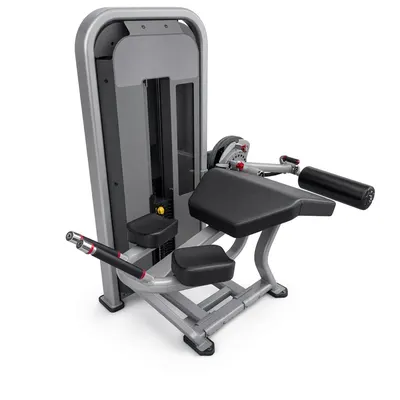
Alternatives for the same muscles
Log your Lying leg curl sets with GoSet
GoSet remembers your last time, starts your rest on its own and notes your records. Even with no signal in the basement. Coming soon to iPhone and Android.
Common questions
Should I fully lock out my knees at the bottom?
You can get close to straight, but avoid a hard lockout. Keep a small bend to maintain tension on the hamstrings and avoid bouncing on the joint.
What if I feel it more in my calves than my hamstrings?
Focus on bending the knee, like you’re trying to bring the back of your knee toward your glute, instead of just pushing with your feet. Dropping the weight a bit and slowing the lowering phase also helps.
Can the lying leg curl replace deadlifts?
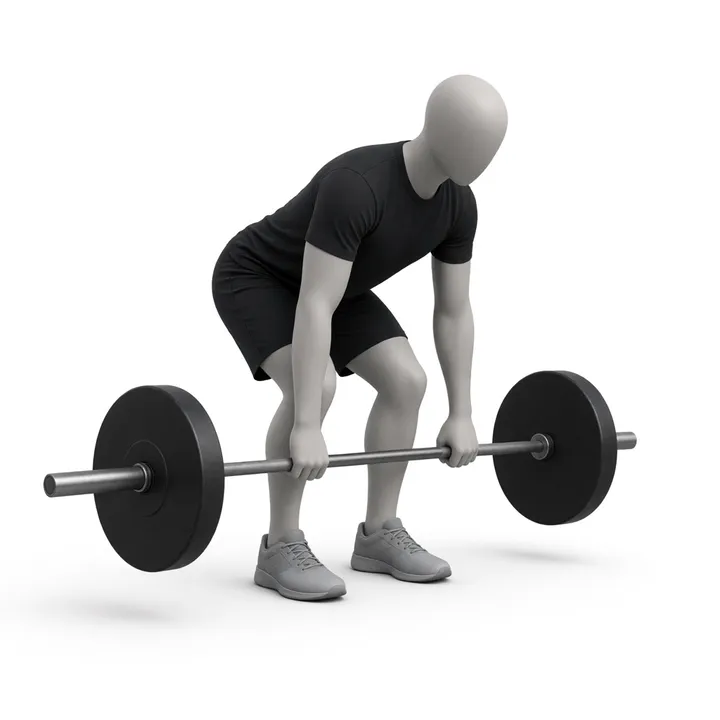
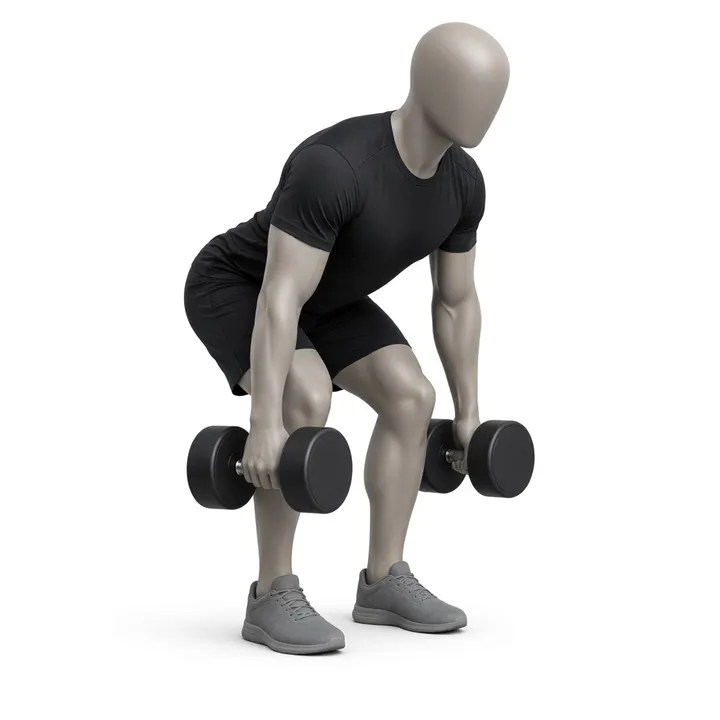
It trains the hamstrings well, but in a different way than deadlifts. Many people use both: a deadlift or Romanian deadlift for a more global lift, then the lying leg curl to isolate the back of the thigh.
What if I get knee pain during the exercise?
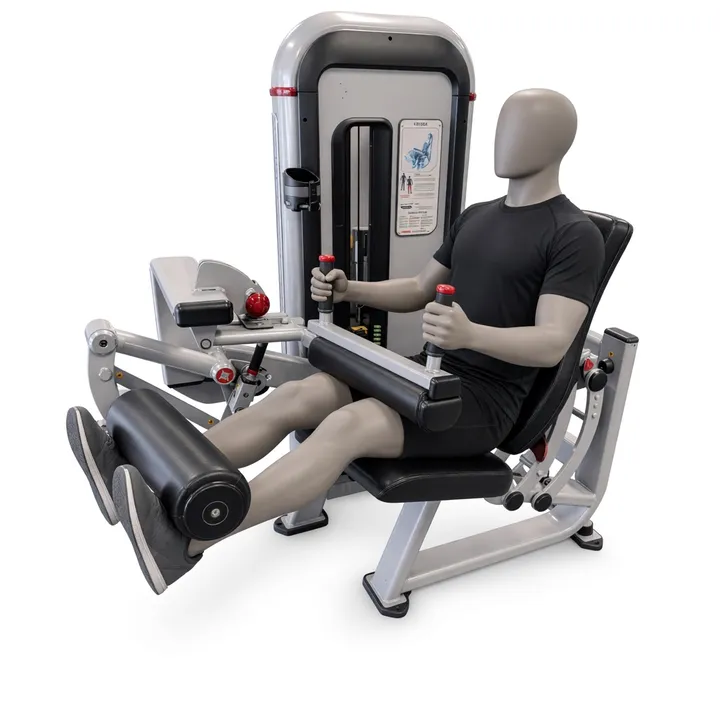
Stop the exercise and talk to a health professional before continuing. Once you’re cleared, you can also try an alternative like the seated leg curl.