Exercise · Legs and glutes
Machine hip thrust
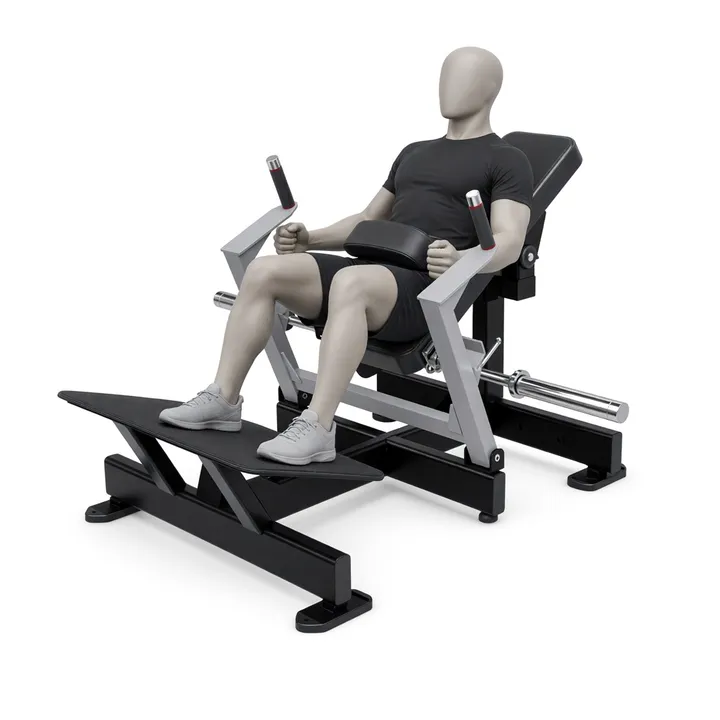
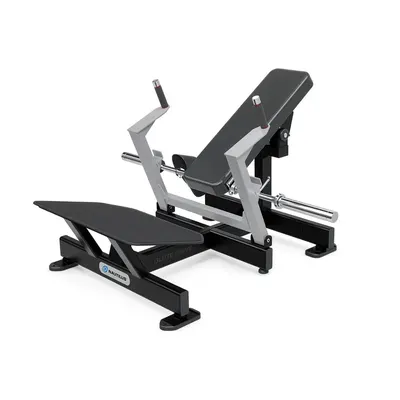
The machine hip thrust on a glute drive-style machine mainly targets your glutes, with help from your hamstrings. The machine gives you extra stability so you can focus on driving with your hips. It’s a solid option if you want to load the movement more without dealing with a barbell setup.
Doable at all 76 gyms GoSet follows
The essentials
- Belt over your hips, feet flat.
- Drive your hips up and squeeze your glutes at the top.
Muscles worked
- Primary
- Glutes
- Secondary
- Hamstrings
How to do it
- Adjust the backrest and belt anchor so that, when seated, the belt sits just above your hips and your shoulders are firmly supported.
- Place your feet flat on the floor, about hip to shoulder width, with your knees bent around 90 degrees at the top of the movement.
- Set the belt across your hips and tighten it so it’s secure but not restricting your breathing.
- Take a deep breath at the bottom, brace your core slightly, then start driving the platform away with your feet to lift your hips.
- Lift your hips until your torso and thighs are almost in line, and squeeze your glutes hard at the top without over-arching your lower back.
- Lower your hips under control over 2 to 3 seconds, without bouncing at the bottom, then repeat for the next rep.
Common mistakes
Over-arching the lower back at the top
Instead : Stop the lift when your torso and thighs are roughly in line and focus on keeping your ribs down and squeezing your glutes instead of pushing with your lower back.
Feet too far forward or too close
Instead : If you mostly feel the back of your thighs near the knee, bring your feet slightly closer. If you feel mostly the front of your thighs, move them a bit farther out. Keep your heels flat on the floor.
Letting the knees cave inward
Instead : Keep your knees tracking over your feet as you drive up. Think about gently spreading the floor apart with your feet to stabilize your knees.
Bouncing at the bottom
Instead : Pause briefly at the bottom with tension still in your glutes, then drive up under control. Use a weight you can lower over 2 to 3 seconds without losing control.
Coach tips
- Think about pushing the platform mainly through your heels to help engage your glutes more.
- Keep your gaze slightly forward or toward the ceiling, without throwing your head all the way back.
- A common rhythm is about 2 seconds up and 2 to 3 seconds down, exhaling as you drive your hips up.
- When it starts to feel easy, increase the weight a bit or add a few reps while keeping the same clean form.
Variations
- Slightly wider stance if you want to feel more on the outer part of your glutes, if the machine allows it.
- Slightly narrower stance to focus on a straight-line hip drive.
Sets and reps
For strength training, you’ll often see 3 to 4 sets of 8 to 15 reps on the machine hip thrust, with about 1 to 2 minutes of rest depending on load.
Equipment
Alternatives for the same muscles
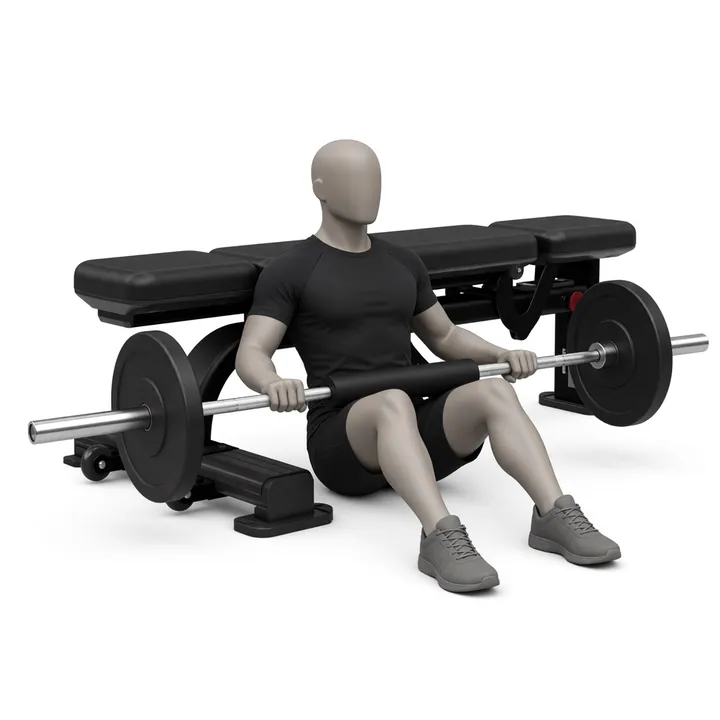
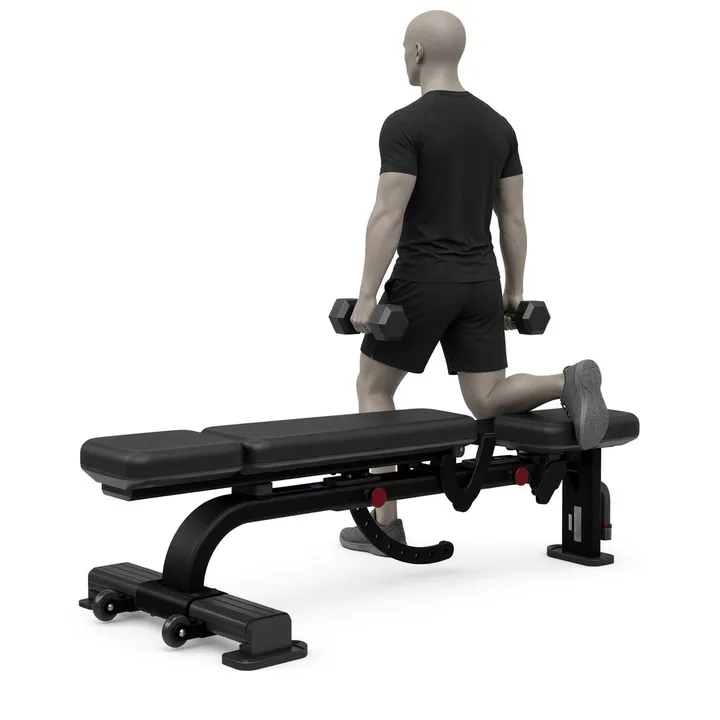
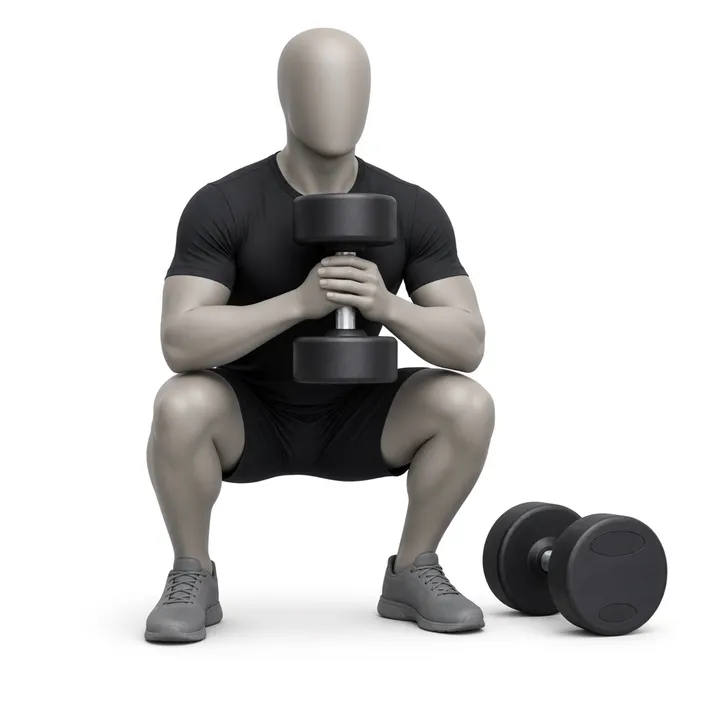
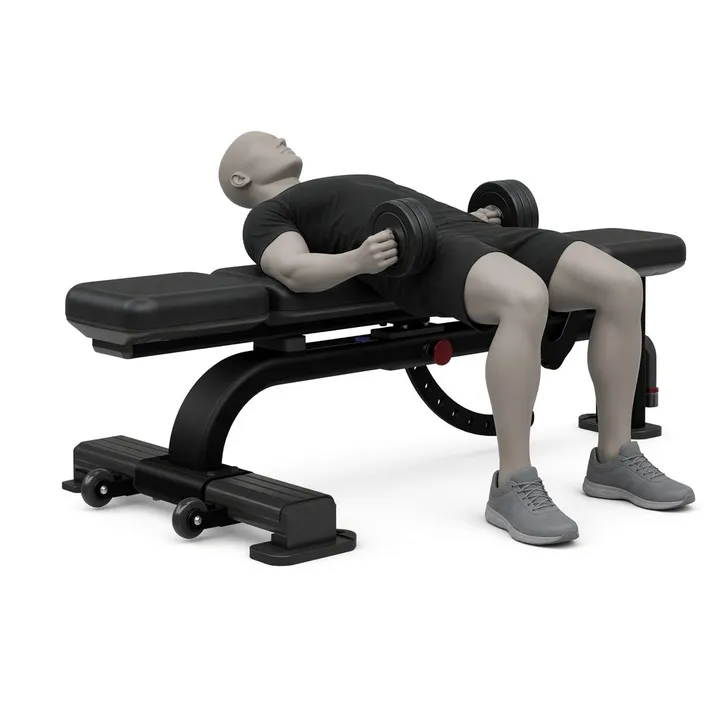
Log your Machine hip thrust sets with GoSet
GoSet remembers your last time, starts your rest on its own and notes your records. Even with no signal in the basement. Coming soon to iPhone and Android.
Common questions
Where should I put my feet on the machine hip thrust?
In most cases, set your feet flat about hip to shoulder width. At the top, your knees should be close to a 90-degree bend. You can move them a bit closer or farther to find where you feel your glutes best, as long as your heels stay down.
I only feel my quads, not my glutes. What should I do?
Bring your feet a bit closer, push more through your heels, and hold a strong glute squeeze at the top for 1 to 2 seconds. Lower the weight if needed so you can control both the lift and the descent without using momentum.
Can the machine hip thrust replace the barbell hip thrust?
Both versions target the same main areas, but the machine gives you more stability. Many people use it as an alternative when they want to load the movement without dealing with barbell setup.
I feel pain in my back or hip doing this, what now?
Stop the exercise right away and talk to a health professional before trying it again or pushing harder.