Exercise · Legs and glutes
45° back extension on the bench
The 45° back extension targets your lower back and glutes, with help from your hamstrings. It’s a solid way to strengthen the back of your body with good control. Works well as a main strength move or as an accessory in your lower body or back workouts.
- Lower back
- Glutes
- Hamstrings
Doable at all 76 gyms GoSet follows
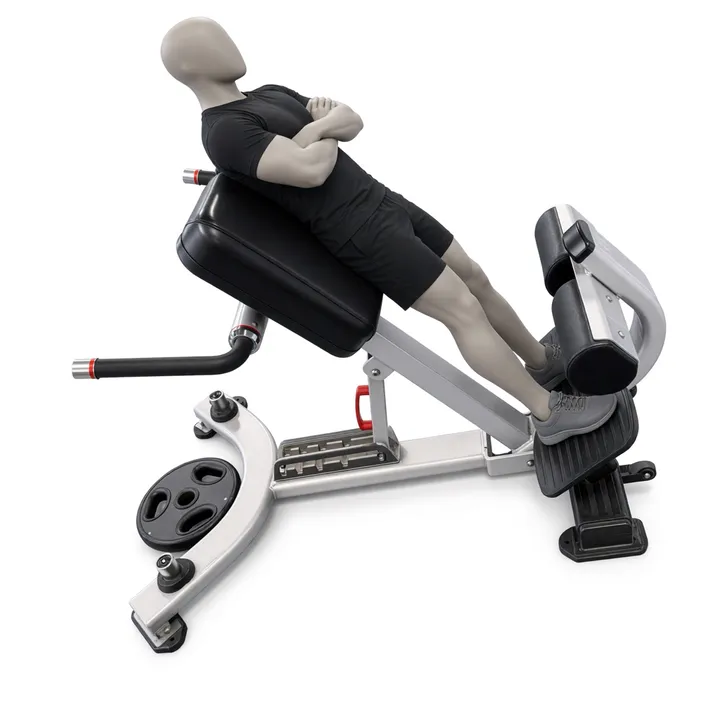
The essentials
- Pad edge just below your hips.
- Rise until your body is straight; don’t overextend.
Muscles worked
- Primary
- Lower back · Glutes
- Secondary
- Hamstrings
How to do it
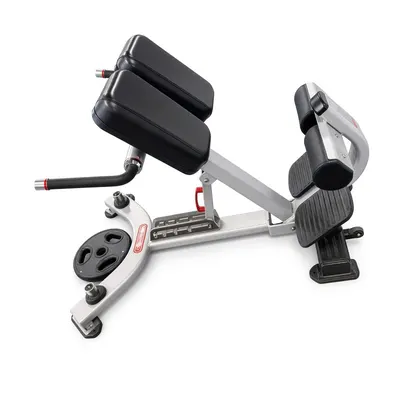
- 1. Adjust the bench so the edge of the pad sits just below your hips, so your pelvis can move freely.
- 2. Place your feet firmly on the platforms, legs almost straight but not locked, and cross your arms over your chest or keep them by your sides.
- 3. Start in a straight line, then hinge your upper body toward the floor while keeping your back neutral and your core engaged.
- 4. Lower until you feel a good stretch in the back of your thighs, without rounding your lower back.
- 5. Drive back up using your glutes and lower back until your body is straight in line with your legs; don’t overextend your back past that line.
- 6. Pause briefly at the top to stay in control, then repeat with a smooth tempo, taking about 2–3 seconds to go down.
Common mistakes
Pad set too high on the stomach
Instead : Lower the bench or shift your body forward so the edge of the pad is just below your hips. You should be able to bend at the hips freely, without being compressed at the stomach.
Coming up too high and over-arching the lower back
Instead : Use a straight body line as your target. Stop your ascent when your shoulders, hips, and heels line up. You want to feel your glutes working, not lean backward past that line.
Rounding the back on the way down
Instead : Keep your chest open and your eyes looking at the floor slightly ahead of you. Only go as low as you can while keeping a neutral back; if your lower back starts to round, shorten the range a bit.
Bouncing at the bottom
Instead : Slow down the descent and avoid letting your upper body drop. Keep a bit of tension at the bottom, pause for a moment, then actively lift yourself using your glutes and lower back.
Coach tips
- Start with just your bodyweight to learn the movement. Later, you can hold a plate or dumbbell against your chest.
- Breathe out as you come up and in as you go down. A steady breathing pattern helps keep you in control.
- Keep a small bend in your knees so your glutes and hamstrings can contribute, without locking the joints.
- If you do this after squats or deadlifts, choose a controlled tempo and a lighter volume so you can keep good quality on every rep.
Variations
- Hold a weight plate or dumbbell against your chest to make the exercise harder.
- Keep your arms extended in front of you to increase the lever slightly without using external load.
- Use a partial range of motion in the top half of the movement to focus more on the glute contraction.
Sets and reps
This exercise often shows up for 2 to 4 sets of about 10 to 15 reps, usually toward the end of a lower body or back workout. Some people also use lighter sets as activation work for the lower back and glutes at the start of a session.
Equipment
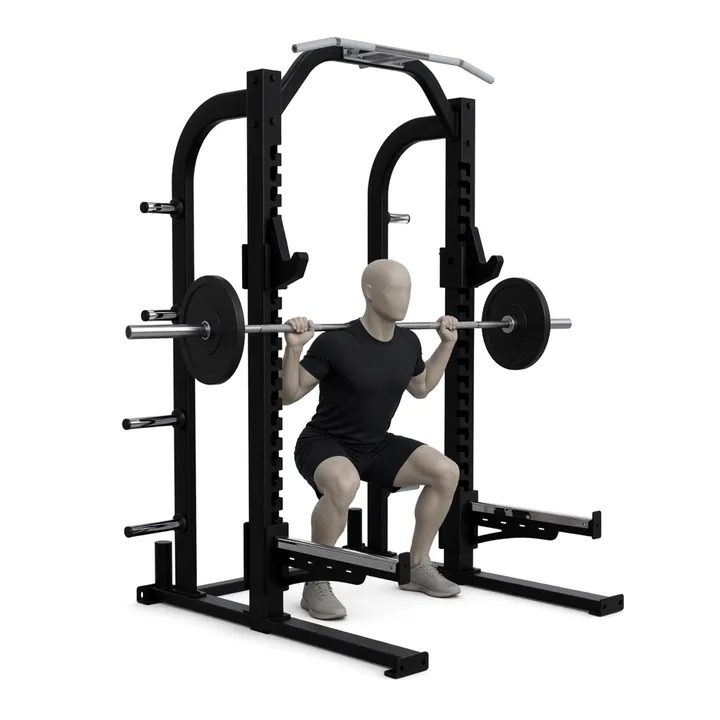
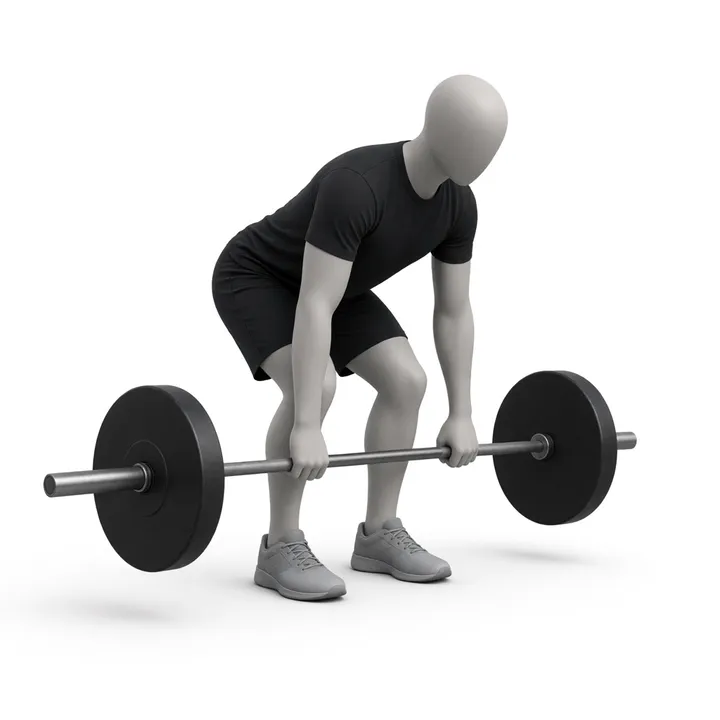
Alternatives for the same muscles
Log your 45° back extension sets with GoSet
GoSet remembers your last time, starts your rest on its own and notes your records. Even with no signal in the basement. Coming soon to iPhone and Android.
Common questions
What should I feel during 45° back extensions?
You’ll usually feel your lower back working, with strong help from your glutes and hamstrings. If you feel a sharp or unusual discomfort in your lower back, stop the exercise and talk with a professional.
Do I need to add weight to this exercise?
Not necessarily. Many people progress for quite a while with just bodyweight by playing with control, tempo, and rep range. You can add a plate or dumbbell once your technique feels solid and your sets feel easy to finish.
Where should I put my hands?
You can cross your arms over your chest to start. If you’re very comfortable, you can place your hands behind your head, but avoid pulling on your neck. To add load, keep one or both hands on the weight against your chest.
What if my gym doesn’t have a 45° back extension bench?
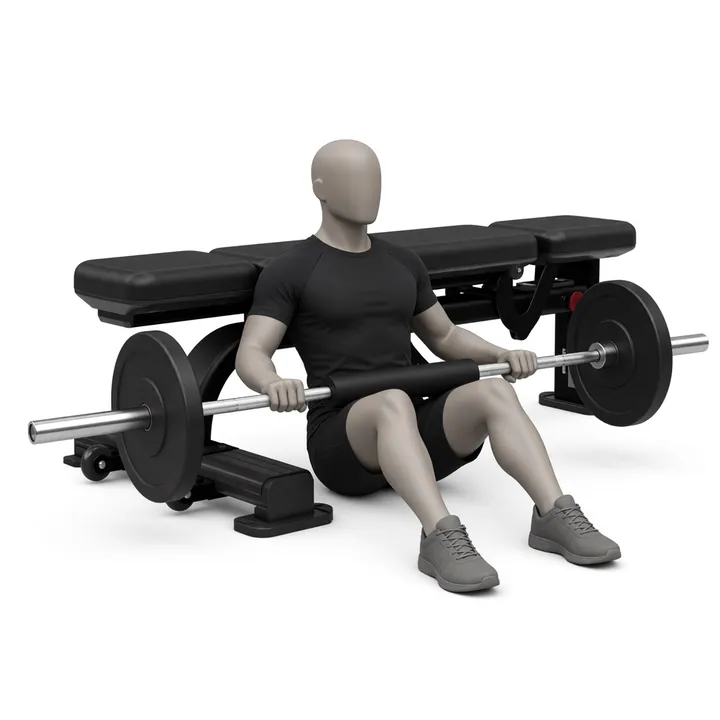
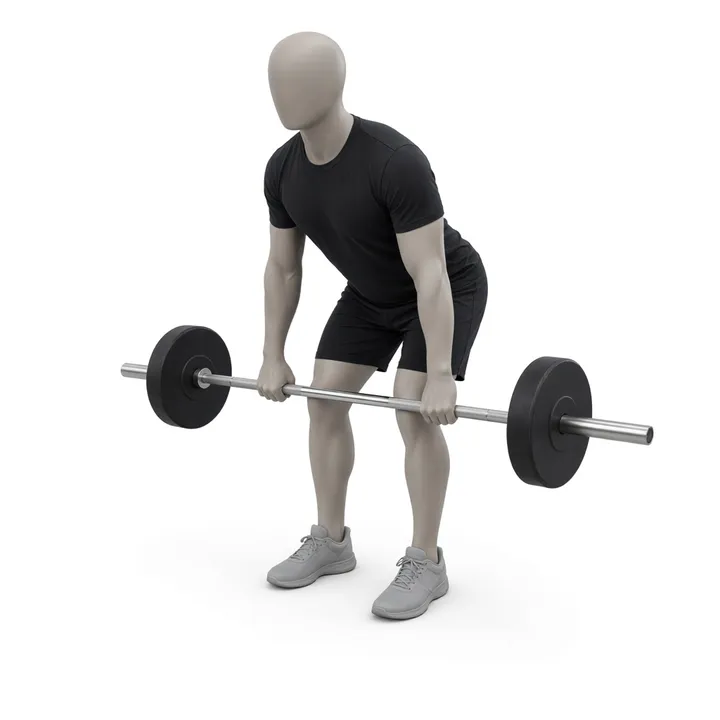
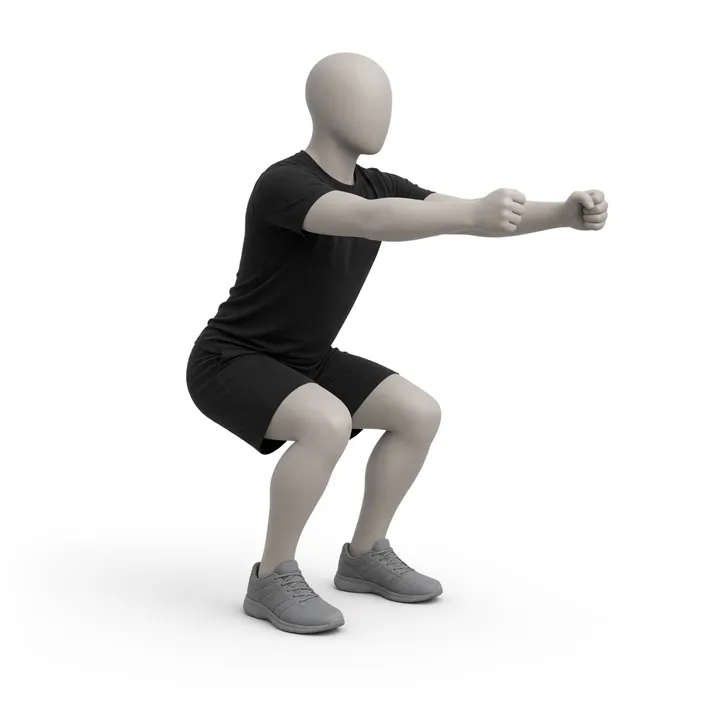
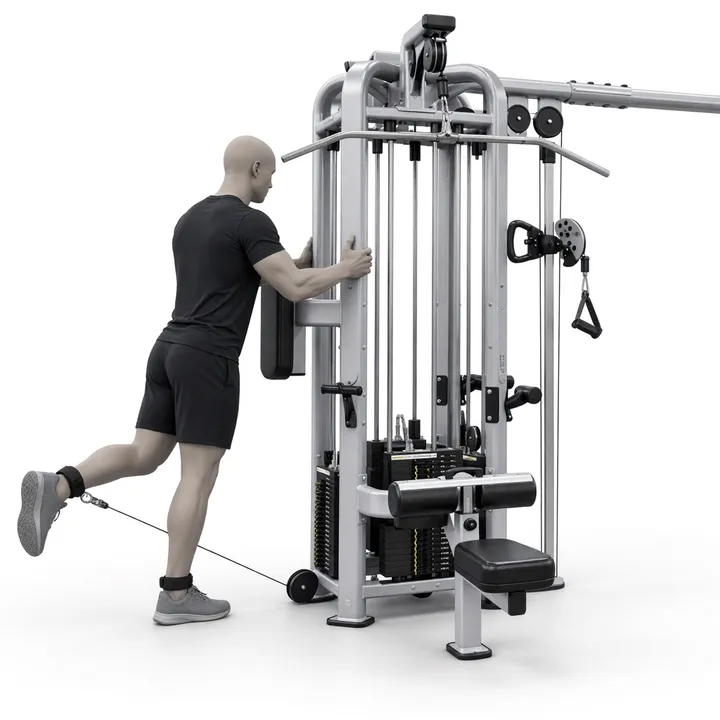
If there’s no 45° bench, you can still train similar muscles with moves like the barbell back squat, deadlift, Romanian deadlift, barbell hip thrust, bodyweight squat, or cable glute kickback.