Exercise · Arms
Rope hammer curl on the cable machine
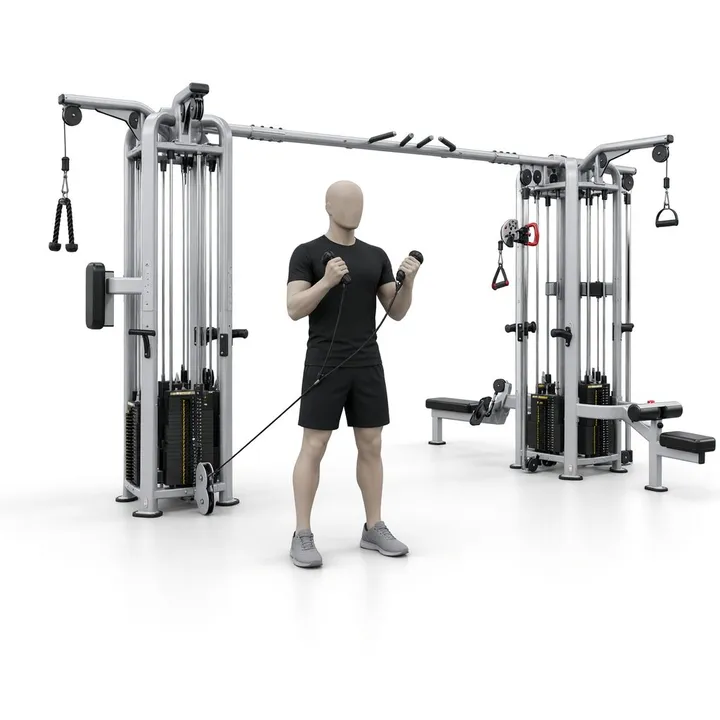
The rope hammer curl is a cable curl done with a rope and your thumbs pointing up. It mainly works your biceps and forearms, with constant tension from the cable. It’s a solid option if you want to focus on your arms without loading your lower back too much.
- Biceps
- Forearms
Doable at all 76 gyms GoSet follows
The essentials
- Thumbs up on the rope.
- Keep your elbows fixed.
Muscles worked
- Primary
- Biceps
- Secondary
- Forearms
How to do it
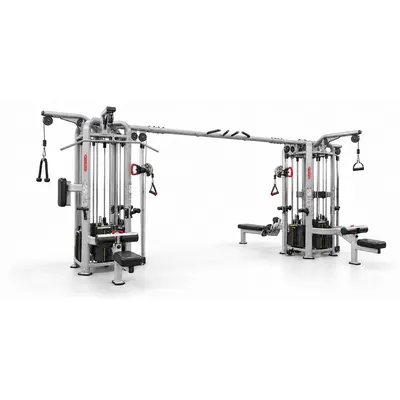
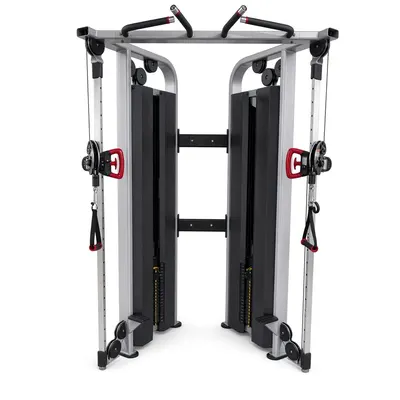
- Set up a rope on a low pulley on a multi-station cable machine or a cable crossover.
- Grab the rope with your thumbs up and palms facing each other, standing tall with your arms by your sides.
- Bring your shoulders slightly back, keep your chest open, and lock your elbows close to your body.
- Keeping your elbows fixed, bend your arms to bring the rope up toward the front of your shoulders, without leaning back.
- Lift in control, stop before your elbows drift forward, then lower the rope slowly until your arms are almost straight.
- Breathe normally: inhale at the bottom, exhale as you curl up. Keep your wrists straight the whole time.
Common mistakes
Swinging your body to lift the weight
Instead : Pick a weight you can control without using momentum. Brace your core, plant your feet, and think about moving only your forearms.
Letting your elbows drift forward
Instead : Pin your elbows to your sides and imagine they’re glued there. If they keep moving forward, lower the weight and slightly reduce the top range of motion.
Bending your wrists on the rope
Instead : Hold the rope firmly but don’t twist it. Keep your wrists in line with your forearms, like you’re keeping your thumbs pointing up the whole time.
Dropping the weight too fast
Instead : Control the way down over about 2 to 3 seconds. Think about using your biceps to brake the cable instead of letting it pull your arms down.
Coach tips
- Keep your thumbs up on the rope to stay in the hammer position from start to finish.
- A common tempo is about 1 second up and 2 to 3 seconds down, with no full rest at the bottom to keep tension.
- Stand a small step away from the pulley so the cable stays slightly tense even at the bottom.
- To progress, focus first on tight form and strong contraction before adding more weight on the stack.
Variations
- Single-arm rope hammer curl, standing sideways to the cable, to focus on one arm at a time.
- Rope hammer curl with a slight forward lean to reduce torso movement and keep your elbows more locked in.
Sets and reps
For arm strength and muscle, people often do 3 to 4 sets of 8 to 15 reps on this exercise, using moderate loads they can control on the cable.
Equipment
Alternatives for the same muscles
Log your Rope hammer curl sets with GoSet
GoSet remembers your last time, starts your rest on its own and notes your records. Even with no signal in the basement. Coming soon to iPhone and Android.
Common questions
Where should I feel the rope hammer curl?
You should mainly feel it in your biceps and forearms. If you mostly feel your lower back or shoulders, reduce the weight, lock your elbows in place, and avoid swinging.
Can I swap the rope hammer curl for another exercise?
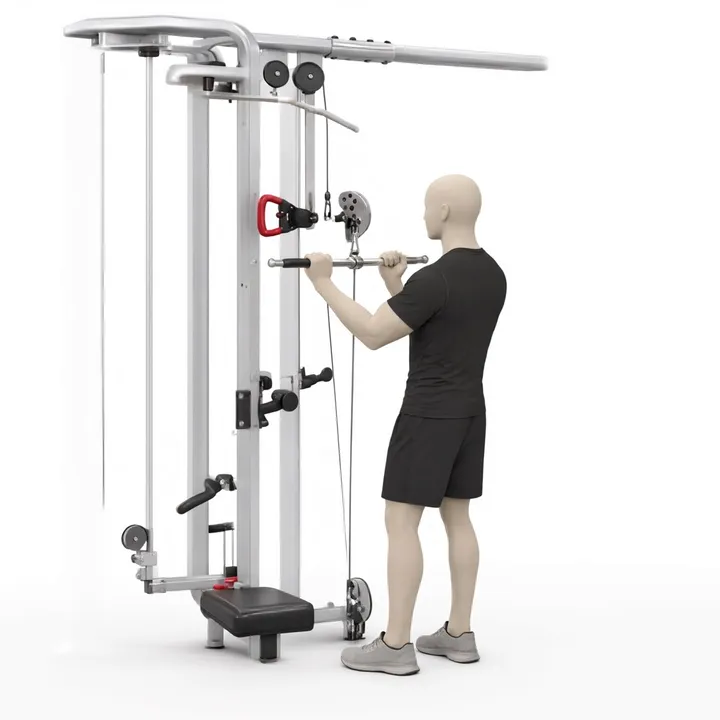
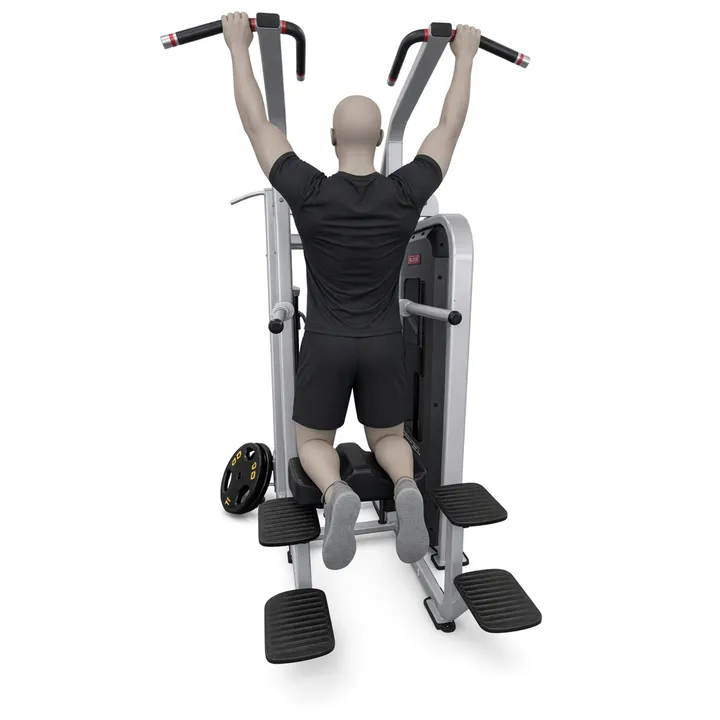
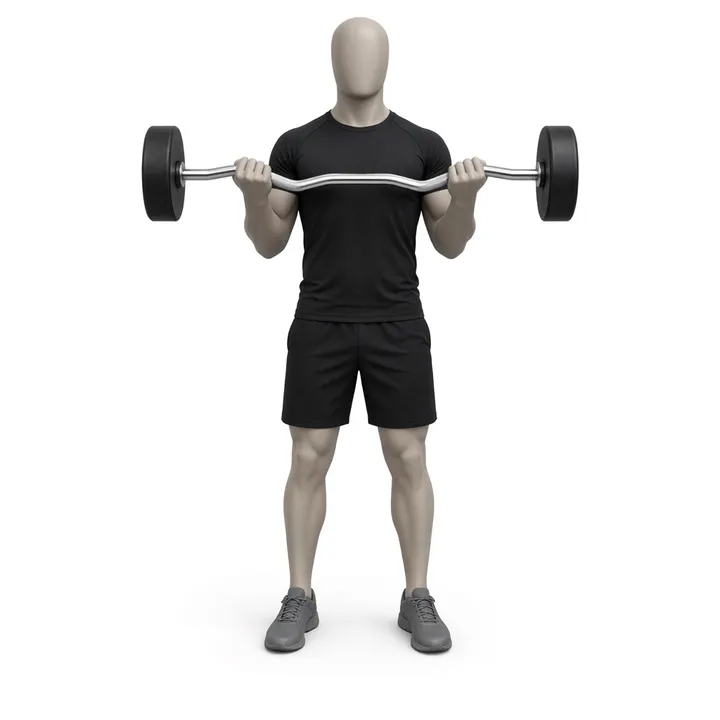
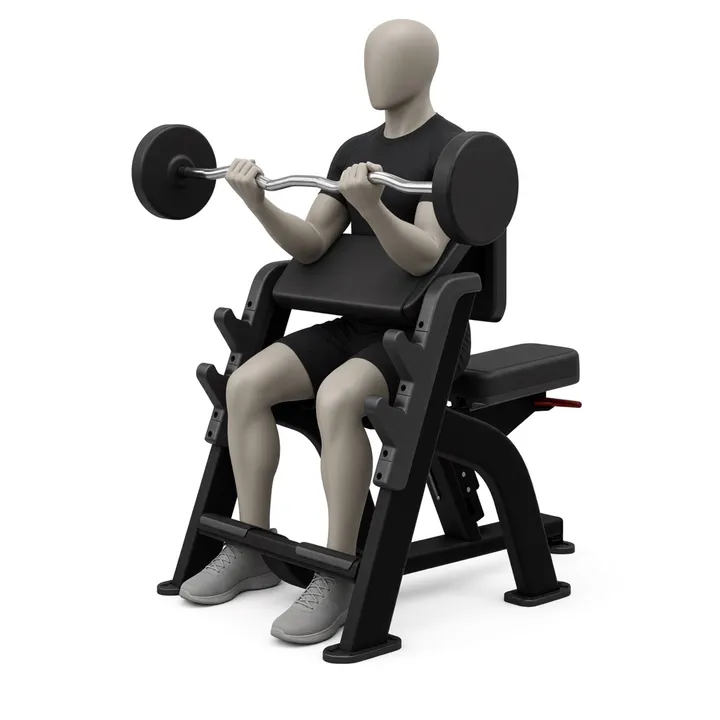
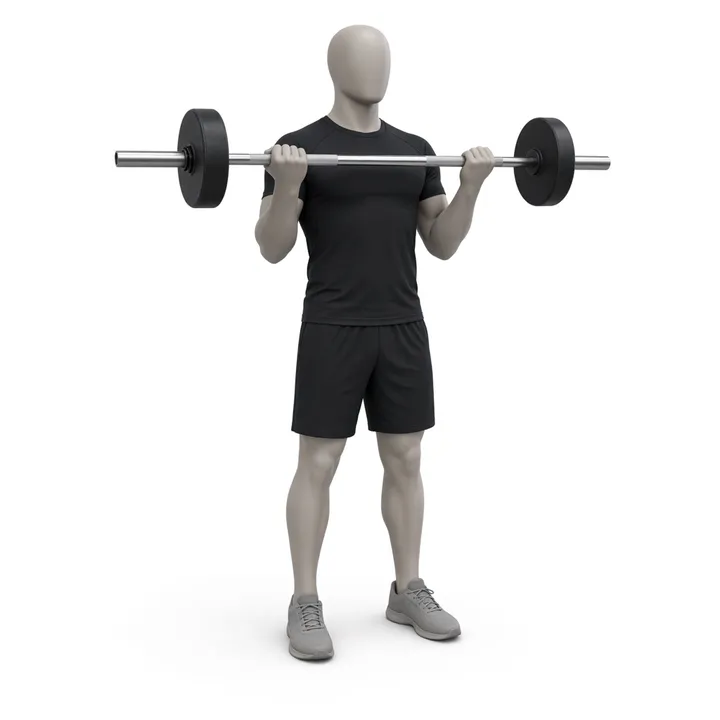
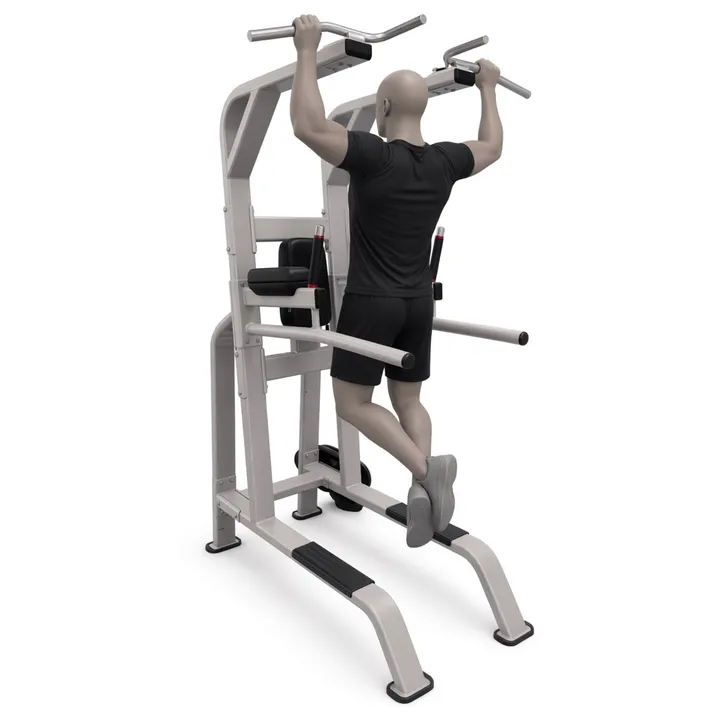
Yes. In the same area, you can do a cable biceps curl. You also have options like the barbell curl, barbell preacher curl, or barbell reverse curl. Assisted chin-ups or regular chin-ups can also work your biceps.
Where can I do rope hammer curls in my gym?
You can do this exercise on a multi-station cable machine or on a cable crossover. All 76 gyms tracked by GoSet in Quebec have this type of equipment.
How do I know if the weight is too heavy?
If you have to swing your back, let your elbows shoot forward, or shrug with your shoulders on every rep, the weight is likely too heavy. You should be able to keep your elbows fixed and control the way down without jerking.