Exercise · Arms
Cable biceps curl at the gym
The cable biceps curl mainly works your biceps, with your forearms helping the movement. The cable keeps tension on your arms from bottom to top. It’s a solid option if you want to feel your biceps work without balancing a bar or heavy dumbbells.
- Biceps
- Forearms
Doable at all 76 gyms GoSet follows
The essentials
- Elbows at your sides.
- Curl without swinging your torso.
Muscles worked
- Primary
- Biceps
- Secondary
- Forearms
How to do it
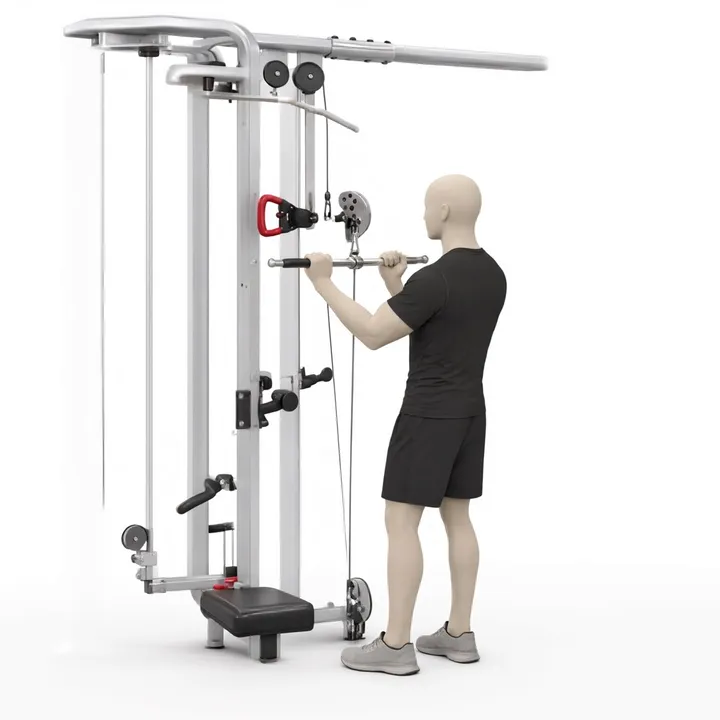
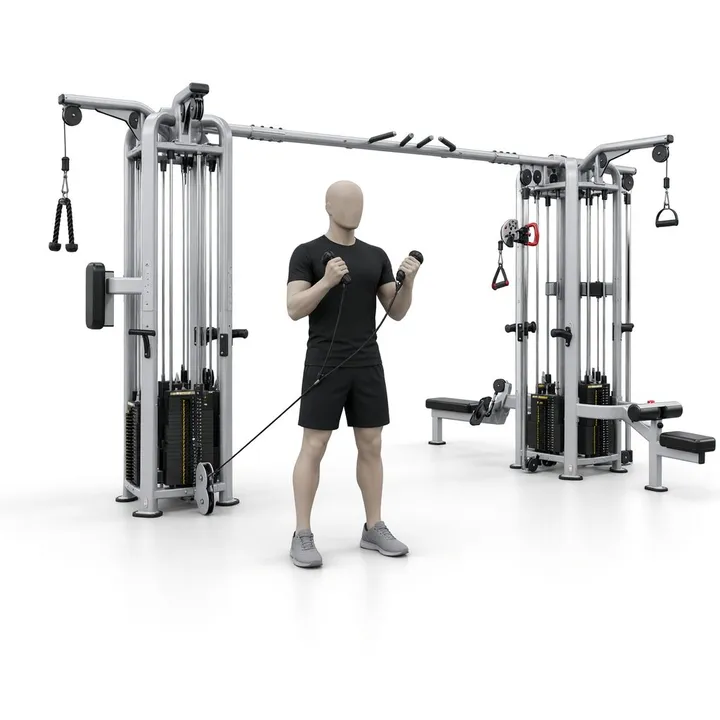
- Stand in front of the cable station with the pulley set at the lowest point and attach a straight bar or handle to the carabiner.
- Grab the handle with a supinated grip (palms facing you), stand with your feet about hip-width apart, arms almost straight, elbows at your sides.
- Keep your torso upright, shoulders relaxed, eyes forward. Let the cable gently pull your arms down without rounding your back.
- As you exhale, bend your elbows to curl the handle up toward your shoulders, without swinging your torso and without letting your elbows leave your sides.
- Curl until your forearms are close to vertical, then pause for one second at the top while keeping tension in your biceps.
- Inhale and lower the handle under control over 2–3 seconds until your arms are almost straight again, then repeat for the next rep.
Common mistakes
Swinging the torso to lift the weight
Instead : Bring your feet a bit closer, brace your core, and think about gluing your upper arms to your sides. If you still swing, lower the weight so you can control the whole movement.
Elbows drifting forward
Instead : Imagine your elbows are pinned to the side seams of your shirt. Curl up and down while keeping your upper arms still so only your forearms move.
Dropping the weight too fast
Instead : Count 2–3 seconds in your head on the way down. If you feel the cable “fall,” it’s too fast. Pick a weight that lets you control the full range of motion.
Leaning into the cable
Instead : Step back just enough so the cable doesn’t rub on your body and keep your weight centred over your feet. Stay upright, as if your back was against a wall.
Coach tips
- Keep a steady breathing rhythm: exhale as you curl up, inhale as you lower the weight under control.
- Play with your hand width on the bar (closer or slightly wider) to find where you feel your biceps working best.
- Start with a moderate load to master the movement, then increase gradually once you can curl without swinging your torso.
- For extra tension, add a brief one-second pause at the bottom and at the top instead of bouncing through the reps.
Variations
- Use a straight bar or V-bar on the cable to slightly change how your forearms feel the movement.
- Do the curl one arm at a time on the cable to even out the work between your left and right side.
Sets and reps
This exercise often shows up in the middle or near the end of an upper-body workout, for about 3–4 sets of 8–15 reps depending on the weight and control you aim for.
Equipment
Alternatives for the same muscles
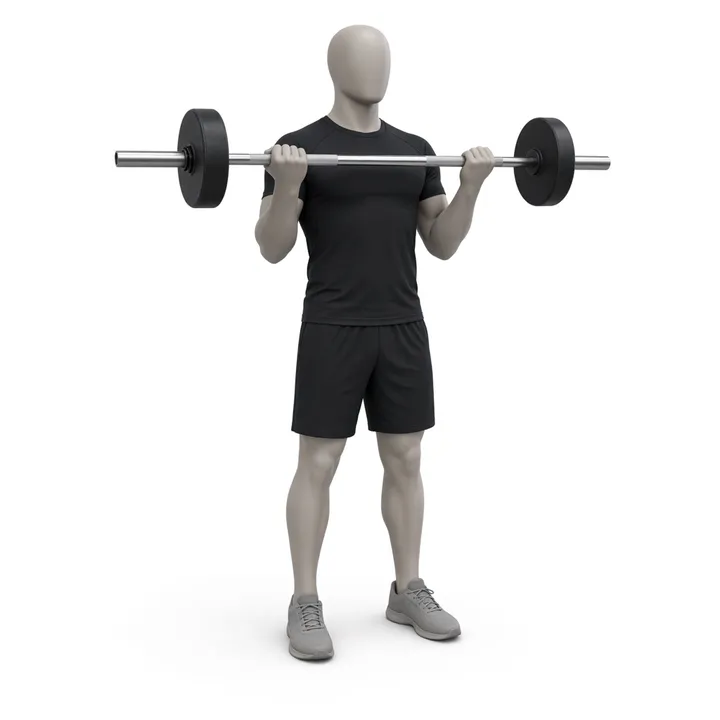
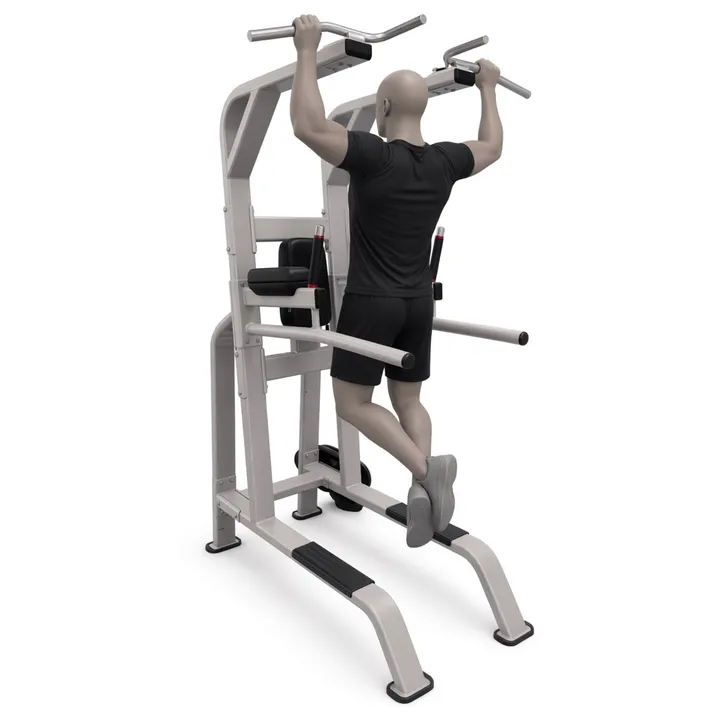
Log your Cable biceps curl sets with GoSet
GoSet remembers your last time, starts your rest on its own and notes your records. Even with no signal in the basement. Coming soon to iPhone and Android.
Common questions
Where should I stand for cable biceps curls?
Stand facing the low pulley, about one step back, so the cable stays slightly angled down and doesn’t rub on your body. Adjust your distance so you can keep your torso upright without leaning forward or backward.
Should I fully lock out my arms at the bottom?
You can go close to full extension, but keep a slight bend in your elbows instead of locking them. The goal is to keep tension in your biceps throughout the movement.
What if I feel my forearms more than my biceps?
Make sure your elbows stay by your sides and you’re not death-gripping the handle. Slow down the lowering phase and add a short pause at the top to help you feel your biceps doing the work.
Can I use cable curls instead of dumbbell curls?
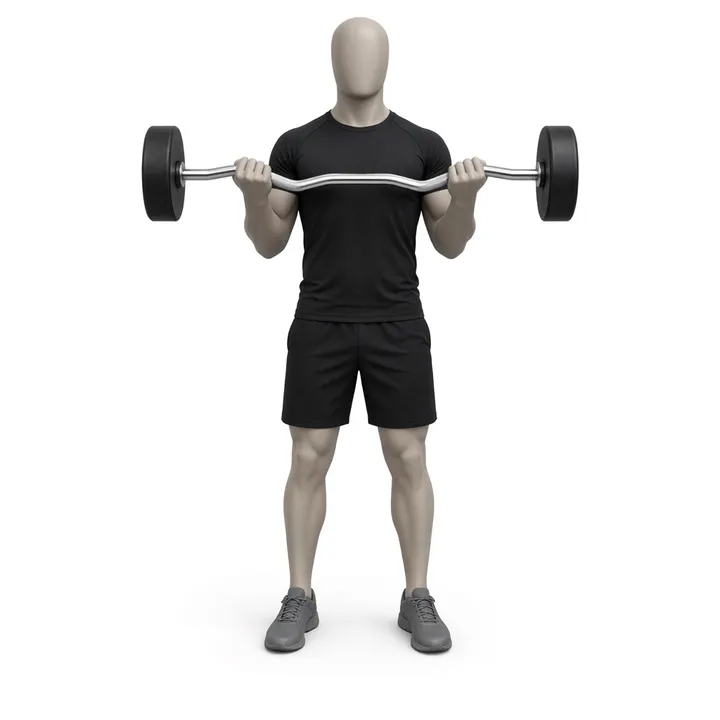
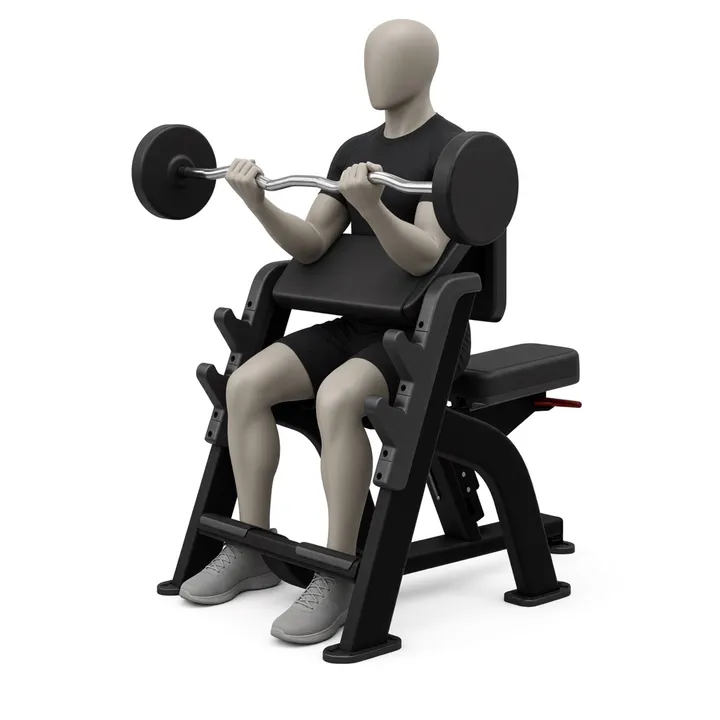
Yes, the cable biceps curl is a solid alternative if you want more constant tension. You can also rotate it with other curl variations like barbell or preacher curls to change up the stimulus.