Exercise · Legs and glutes
Smith machine squat on guided bar
The Smith machine squat is a squat with the bar guided on rails. It lets you control the path of the bar and adjust your foot position to focus on quadriceps and glutes. It’s a solid option if you want to go heavier without managing a free barbell.
- Quadriceps
- Glutes
- Adductors
Doable at all 76 gyms GoSet follows
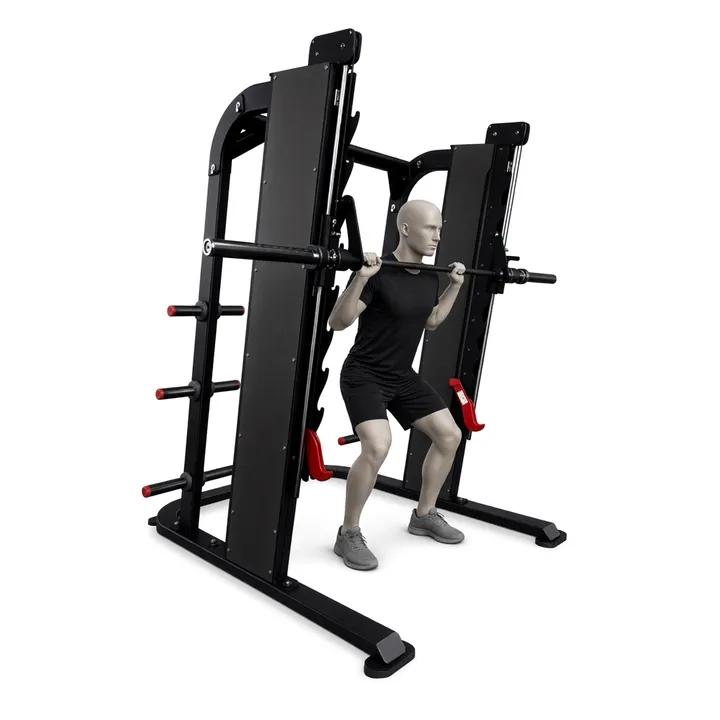
The essentials
- Set the safety stops before you start.
- Lower with your heels on the floor.
Muscles worked
- Primary
- Quadriceps · Glutes
- Secondary
- Adductors
How to do it
- 1. Set the Smith bar roughly at upper shoulder height and adjust the safety stops just below your planned squat depth.
- 2. Step under the bar, rest it comfortably across your upper back, grab it slightly wider than shoulder-width, and rotate it to unrack.
- 3. Move your feet a bit forward or back to find a comfortable stance, about hip-width or slightly wider, then take a deep breath in.
- 4. Lower by bending your knees and hips, keeping your heels on the floor and your torso controlled, until you reach a depth that feels comfortable for you.
- 5. Push the floor away with your feet to stand back up, exhaling at the top and bringing your hips back over your feet.
- 6. At the end of your set, stand tall, stabilize the bar, then rotate it back to hook it securely onto the pegs.
Common mistakes
Heels lifting off the floor
Instead : Bring your feet a bit closer in, reduce the weight, and focus on keeping your whole foot flat. Only go as low as you can while keeping your heels down.
Lower back rounding at the bottom
Instead : Bring your feet slightly closer to the bar, keep your chest strong, and stop the descent before your back starts to round. Use the safety stops to set your depth.
Knees caving inward
Instead : Think about gently pushing your knees out as you go down and up. Use a weight that lets you keep that control for the full set.
Bar not centered on your back
Instead : Before unracking, make sure the bar is centered across your upper back and that both feet are set the same distance from the bar.
Coach tips
- Take 2 to 3 seconds to lower, add a small pause at the bottom, then come up a bit faster but still under control.
- Keep breathing simple: inhale before you go down, hold through the hardest part, then exhale at the top.
- For more quadriceps, keep your feet a bit more under the bar; for more glutes, place your feet slightly farther forward.
- Start with moderate weight to dial in foot position and depth, then build up the load gradually over time.
Variations
- Narrower stance to put more emphasis on the quadriceps.
- Wider stance to involve the adductors a bit more.
- Partial Smith squat using the safety stops to train a specific part of the range.
Sets and reps
You’ll often see the Smith machine squat done for 3 to 5 sets of 6 to 12 reps, depending on whether the focus is strength or total work volume.
Equipment
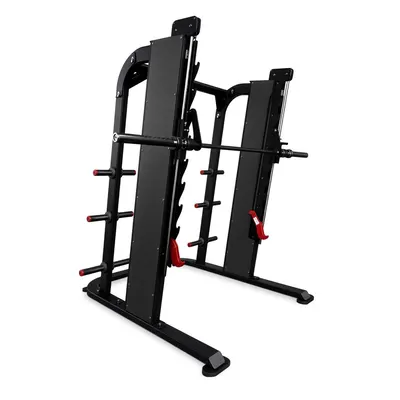
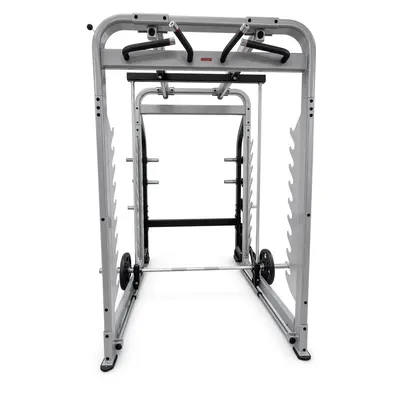
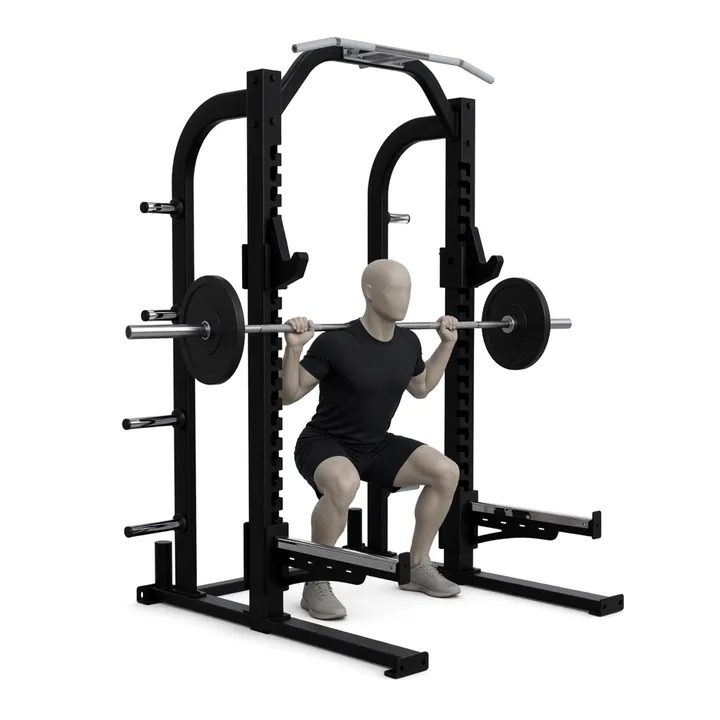
Alternatives for the same muscles
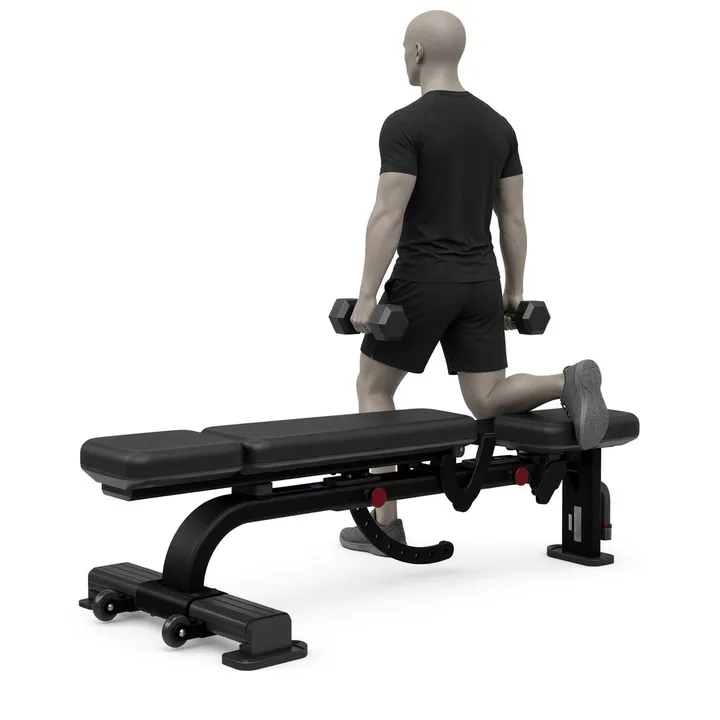
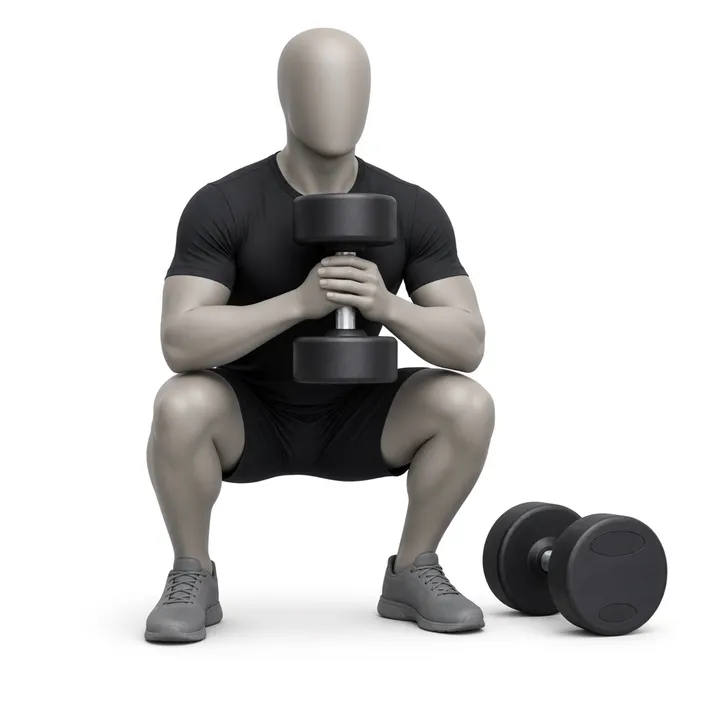
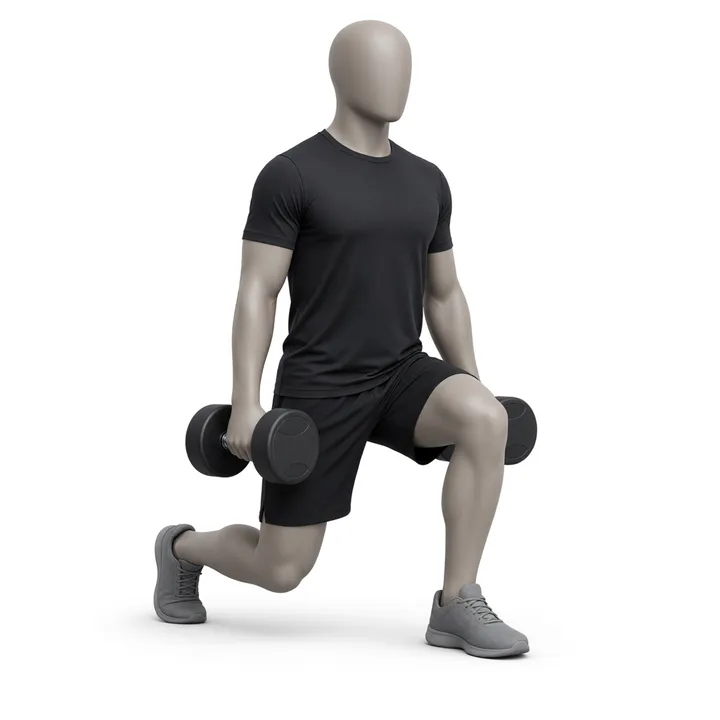
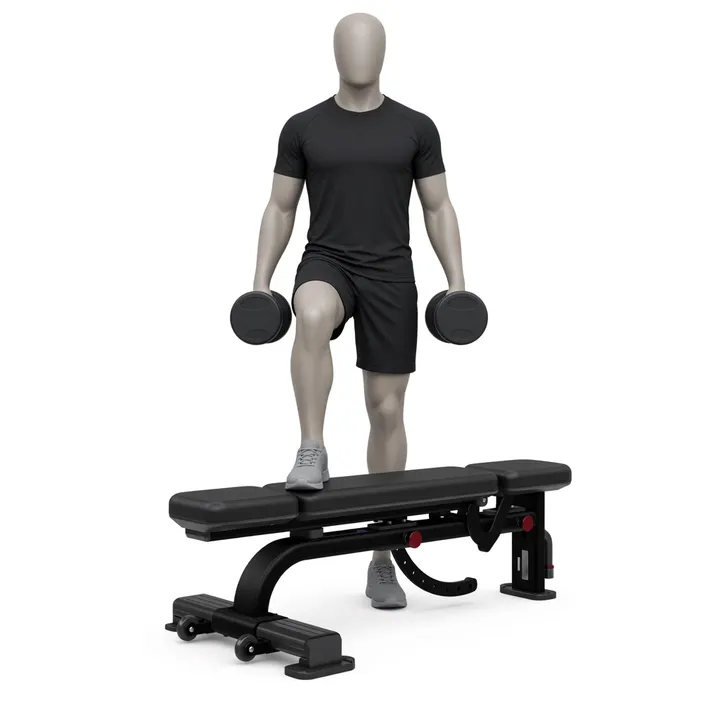
Log your Smith machine squat sets with GoSet
GoSet remembers your last time, starts your rest on its own and notes your records. Even with no signal in the basement. Coming soon to iPhone and Android.
Common questions
Where should I place my feet for the Smith machine squat?
Start with your feet roughly under the bar or slightly in front, about hip-width or a bit wider. Then adjust a small step forward or back based on what lets you squat comfortably while keeping your heels on the floor.
Does the Smith machine squat replace the barbell back squat?
It’s a good alternative if you prefer a guided path or feel less comfortable with a free bar. You can use it to train quadriceps and glutes in a similar way, or as a complement to barbell back squats.
What if I feel knee or back pain during Smith machine squats?
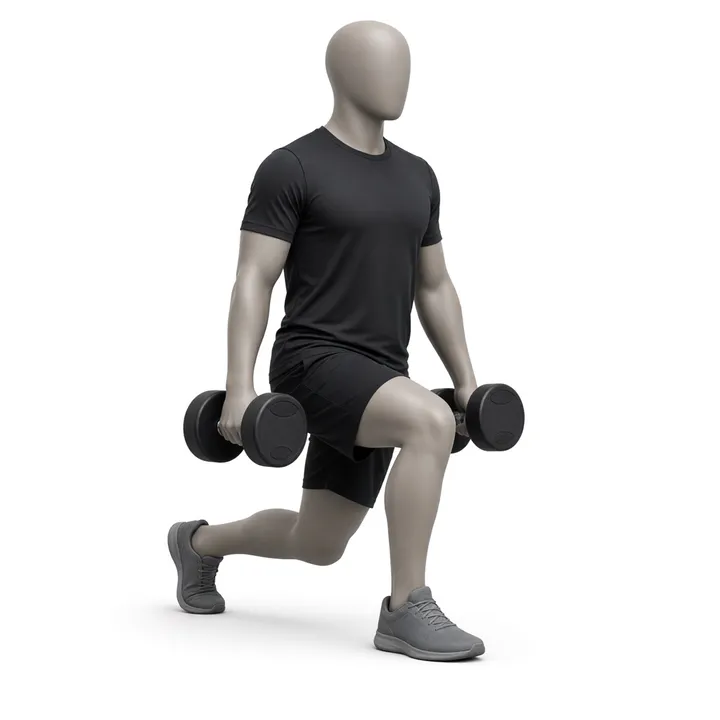
Stop the set right away and talk to a health professional before continuing. You can also choose one of the alternatives, like the goblet squat or dumbbell lunges, if those feel better for you.
How deep should I go on the Smith machine squat?
Go as deep as you can while keeping your heels on the floor, your back strong, and your knees under control. You can set the safety stops just below your target depth to give you a clear reference.