Exercise · Core
Kneeling glideboard crunch
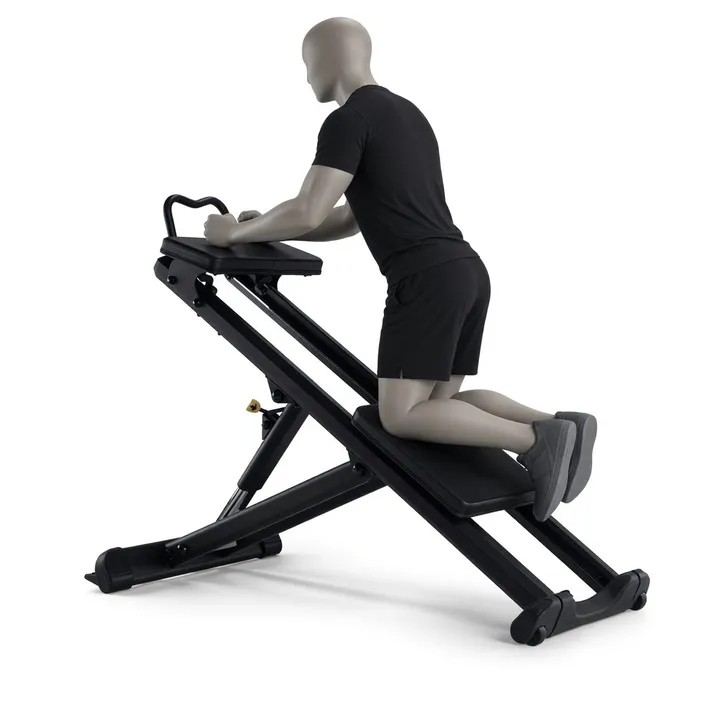
The kneeling glideboard crunch is a core exercise done on a sliding carriage machine. You pull your knees toward your chest to move the carriage while keeping your trunk solid. It mainly works your core, with help from your hip flexors and shoulders, and suits most people who want a controlled ab exercise.
Doable at all 76 gyms GoSet follows
The essentials
- Kneel on the carriage, forearms on the top pad, hands on the handle.
- Brace your abs and pull your knees toward your chest, sliding the carriage up.
- Slide back down slowly without letting your lower back sag.
Muscles worked
- Primary
- Core
- Secondary
- Hip flexors · Shoulders
How to do it
- Kneel on the carriage of the core glideboard trainer, forearms on the top pad, hands on the handle.
- Set your trunk in a neutral position, brace your abs, and look toward the pad in front of you.
- Take a breath in, then pull your knees toward your chest to slide the carriage up while keeping your core tight.
- Lift until you feel a strong abdominal contraction without excessively rounding your upper back.
- Slide back down slowly, controlling the carriage and not letting your lower back sag.
- Return close to the starting position, then start the next rep with the same smooth control.
Common mistakes
Letting the lower back sag on the way down
Instead : Stay braced the whole time. Think about gently bringing your ribs toward your hips and slow down the descent so you can fully control the carriage.
Pulling mostly with the arms and shoulders
Instead : Your forearms are mainly there for support. Focus on starting the movement by pulling your knees toward your chest and tightening your abs.
Moving too fast and losing control of the carriage
Instead : Use a slower tempo, especially on the way down, around 2 to 3 seconds. Pick an incline where you can control every rep.
Going too high and dumping your weight forward
Instead : Stop the upward motion once your abs are strongly contracted. Keep steady pressure through your forearms on the pad instead of diving your shoulder forward.
Coach tips
- Keep your breathing steady: inhale as you slide down, exhale as you pull your knees toward your chest.
- Think about gently bringing your ribs closer to your hips so you feel the work in your core and rely less on your hips.
- Start with an easier incline on the machine, then increase the difficulty only once you can control all your reps.
- Keep your shoulders stable and away from your ears so your core does more of the work and your upper body doesn’t tire out too fast.
Variations
- Top-half range of motion to keep constant tension on the abs if the full descent feels too demanding at first.
- Add a 1–2 second pause at the top position to increase time under tension without changing the load.
- Use a slow negative (about 3 seconds down) to challenge your core control more without adjusting the machine.
Sets and reps
This exercise often shows up in 2 to 4 sets of 10 to 20 reps, depending on the carriage incline and your core control level.
Equipment
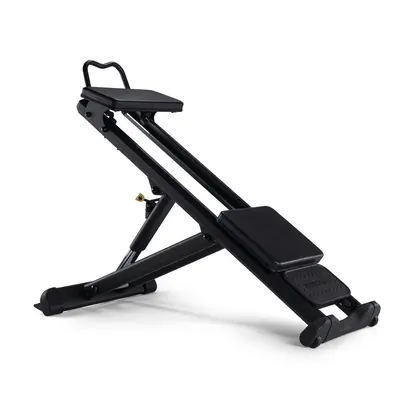
Alternatives for the same muscles
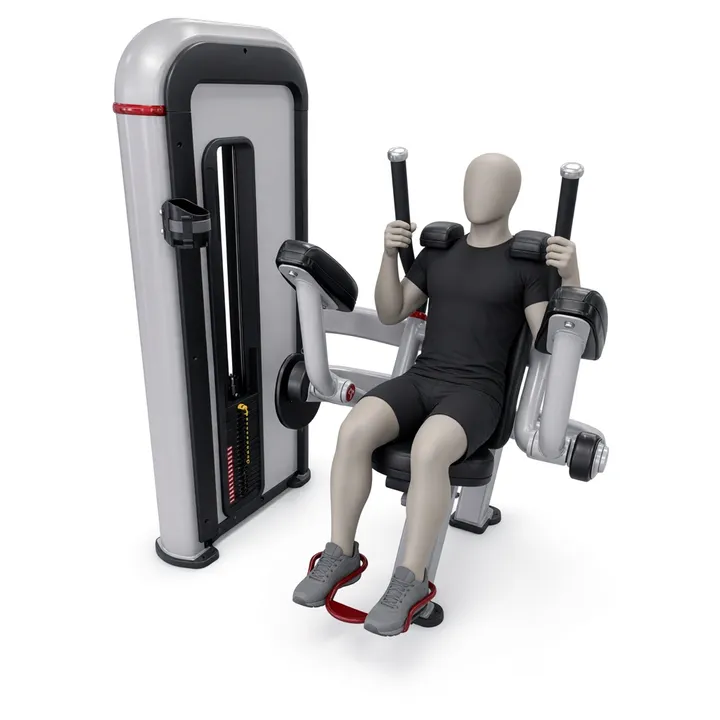
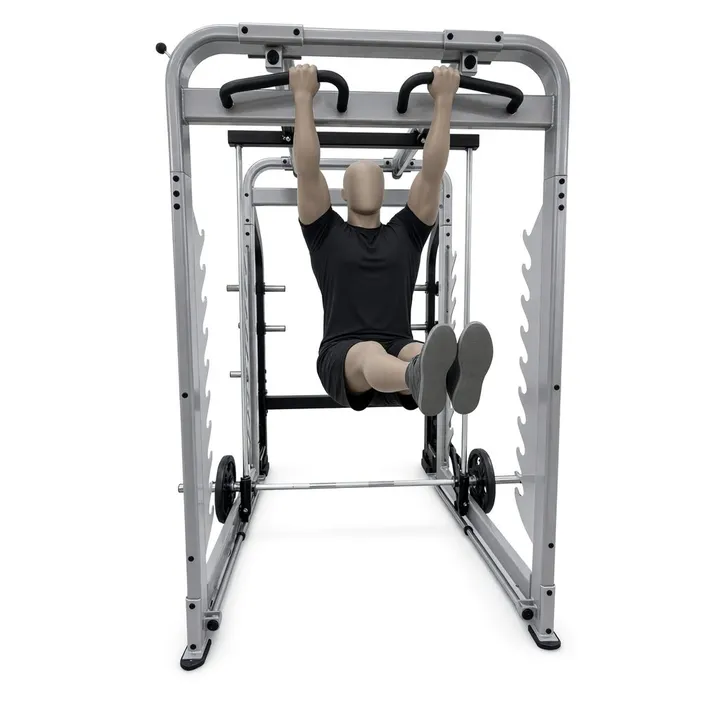
Log your Kneeling glideboard crunch sets with GoSet
GoSet remembers your last time, starts your rest on its own and notes your records. Even with no signal in the basement. Coming soon to iPhone and Android.
Common questions
Which muscles does the kneeling glideboard crunch work most?
The kneeling glideboard crunch mainly targets your core. Your hip flexors and shoulders assist the movement, but the goal is to feel most of the work in your abs.
How can I protect my lower back on the kneeling glideboard crunch?
Keep your core braced and avoid letting your lower back sag as you slide down. Control the carriage, move slowly, and stop if you feel pain and talk with a professional.
What if the kneeling glideboard crunch feels too hard?
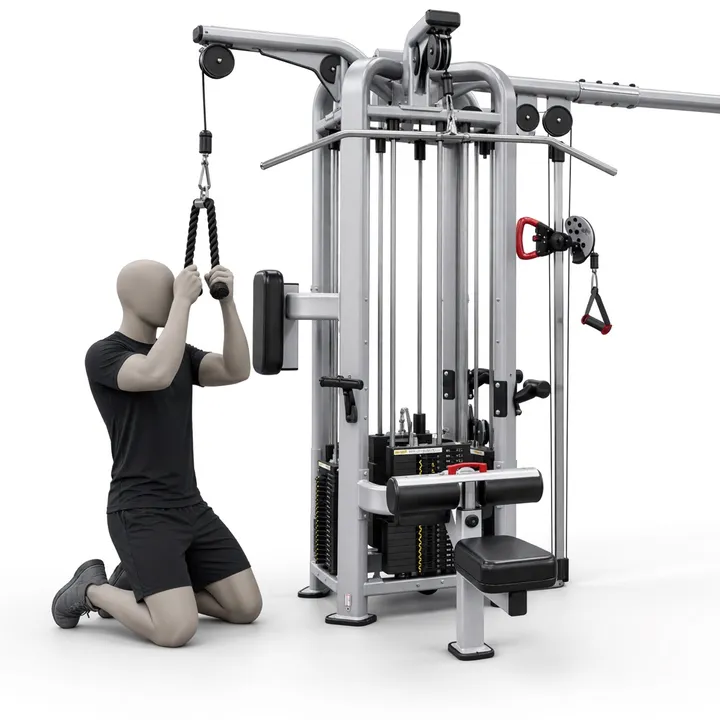
You can use an easier incline on the machine, reduce the range of motion a bit, or switch to an alternative like the machine crunch or the kneeling cable crunch.
Can I replace the kneeling glideboard crunch with another exercise?
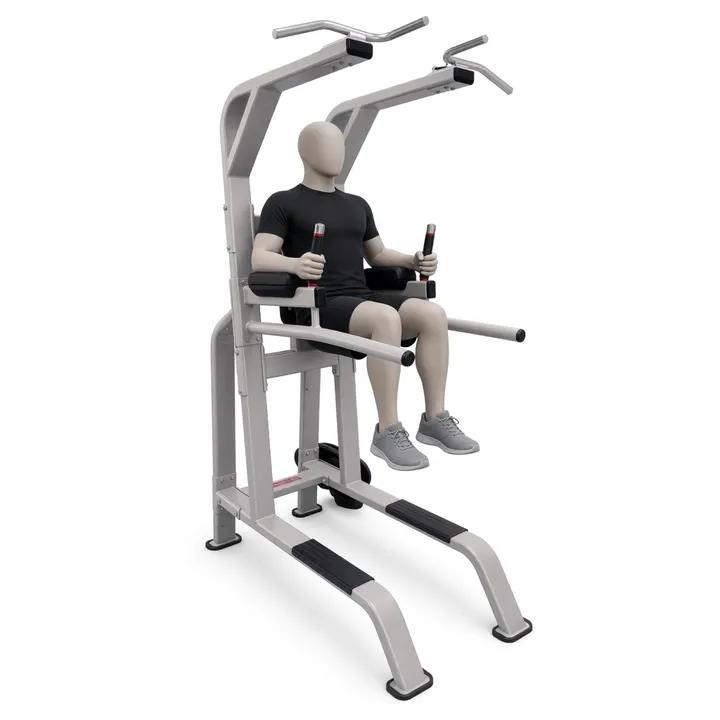
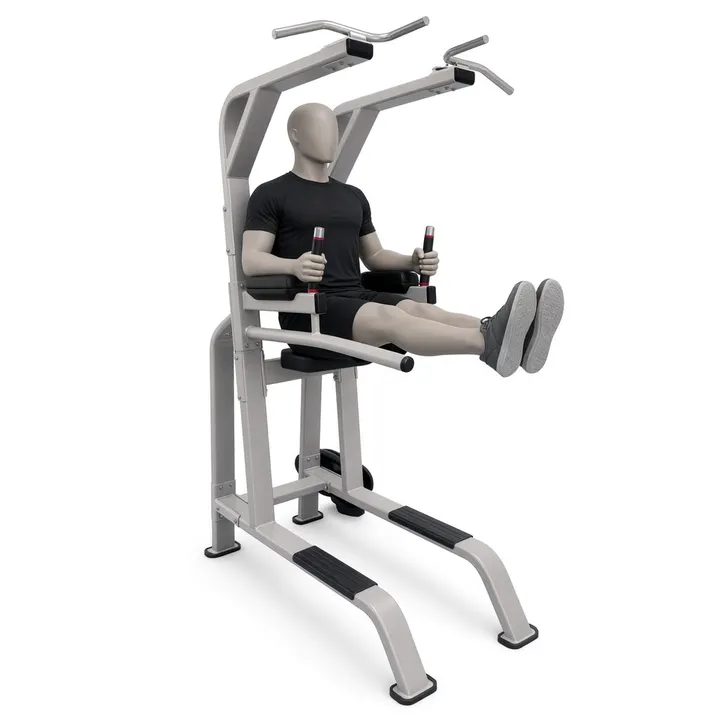
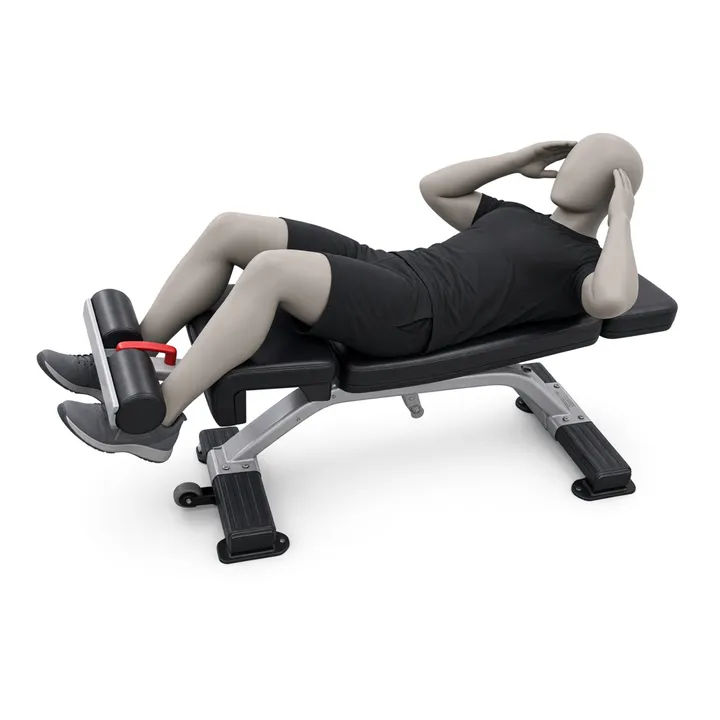
Yes. Common options are the machine crunch, kneeling cable crunch, decline crunch, and chair-based knee or leg raises.