Exercise · Core
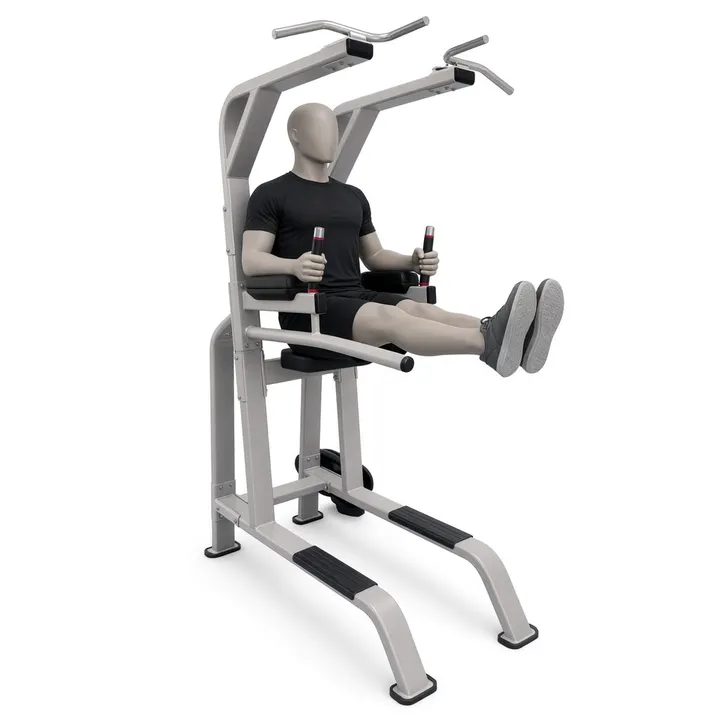
Captain’s chair straight-leg raise
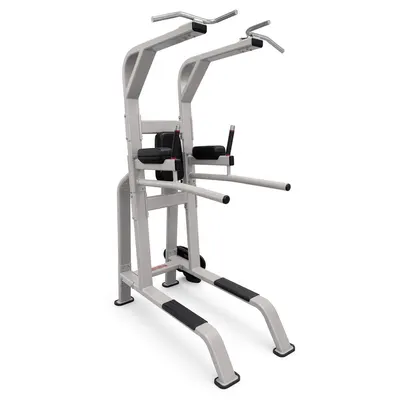
The captain’s chair leg raise is done on a power tower with arm pads. It works your core hard, with help from your hip flexors. It’s a good option if you already control your body well in suspension and want something harder than knee raises.
- Core
- Hip flexors
Doable at all 76 gyms GoSet follows
The essentials
- Legs nearly straight.
- Raise to horizontal without swinging.
Muscles worked
- Primary
- Core
- Secondary
- Hip flexors
How to do it
- Place your forearms on the pads, grab the handles, and let your body hang, back against the pad and shoulders stable.
- Keep your legs nearly straight with your feet slightly in front, brace your core, and avoid arching your lower back.
- Inhale, then start raising both legs together, keeping your knees almost locked and the movement controlled.
- Lift your legs up to horizontal, or a bit below if you lose control, without swinging or kicking.
- Pause briefly at the top, keep your core tight, and breathe normally.
- Lower your legs in 2 to 3 seconds, under control, back to the start position without letting your feet swing behind you, then go into the next rep.
Common mistakes
Using momentum and swinging
Instead : Start with your feet slightly in front, brace your core, and think about lifting your legs slowly. If you still swing, reduce the range of motion and stop before horizontal.
Bending the knees too much
Instead : Try to keep your legs nearly straight all the way. Imagine pushing your heels far in front of you as you lift your legs.
Overarching the lower back
Instead : Press your lower back into the pad before you start and keep your ribs down. If you feel your back arch so you can go higher, cut the range of motion to what you can control well.
Dropping the legs too fast
Instead : Count 2 to 3 seconds on the way down. If you can’t control the lowering phase, it often means the set is done or the exercise is too hard for now.
Coach tips
- Keep a smooth breathing pattern: inhale at the bottom, start exhaling as you lift your legs, then breathe normally while keeping your core tight.
- If the full near-straight-leg version is too hard, use a smaller range of motion and build up to horizontal over time.
- Think about pushing your elbows into the pads and keeping your shoulders stable so you don’t collapse into the machine.
- For better control, use a steady rhythm with no long pause at the bottom and 2 to 3 seconds on the way down every rep.
Variations
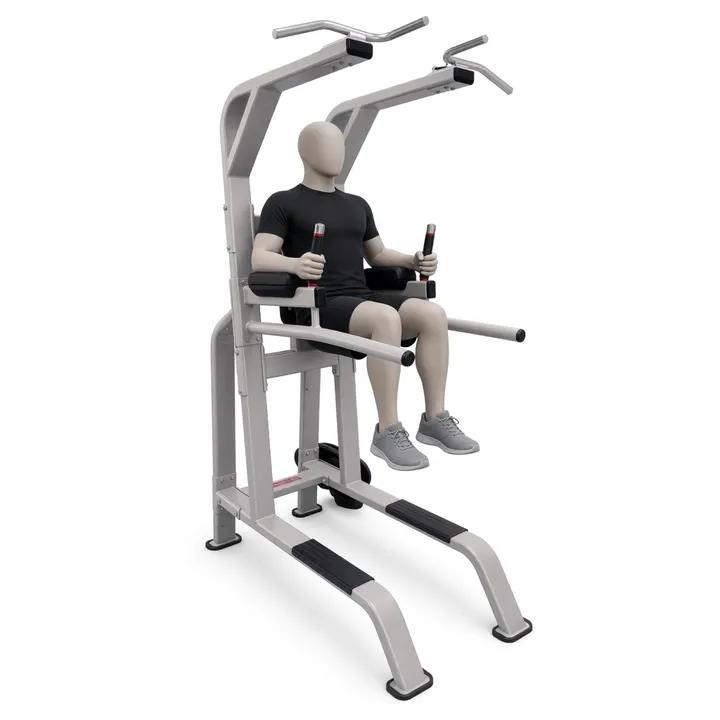
- If this is too hard, switch to captain’s chair knee raises, with the hips flexed but the knees bent.
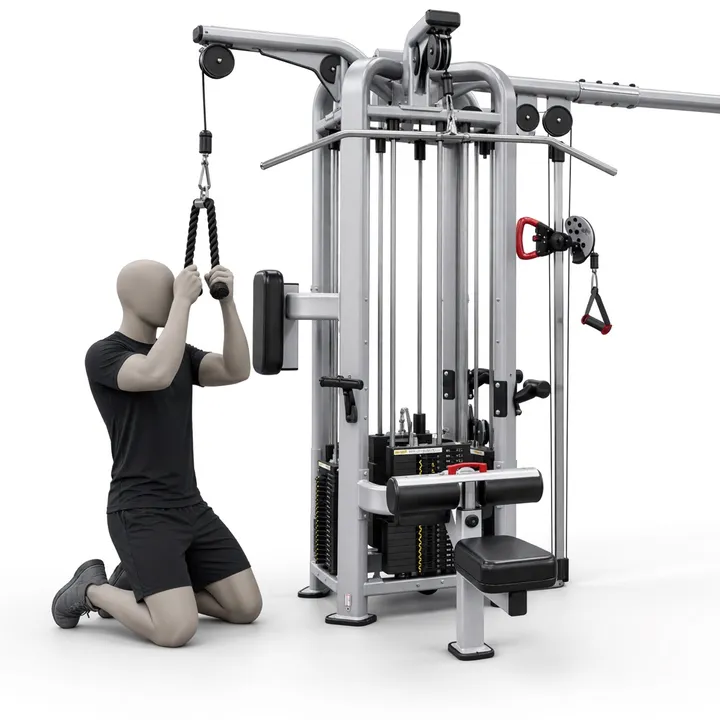
- You can alternate with other core exercises like the kneeling cable crunch or machine crunch when you want work for your core without hanging.
Sets and reps
For core strength and control, people often do 2 to 4 sets of 8 to 15 reps, depending on their level and ability to avoid swinging. It’s usually best to stop the set once you lose control of the movement or the lowering phase.
Equipment
Alternatives for the same muscles
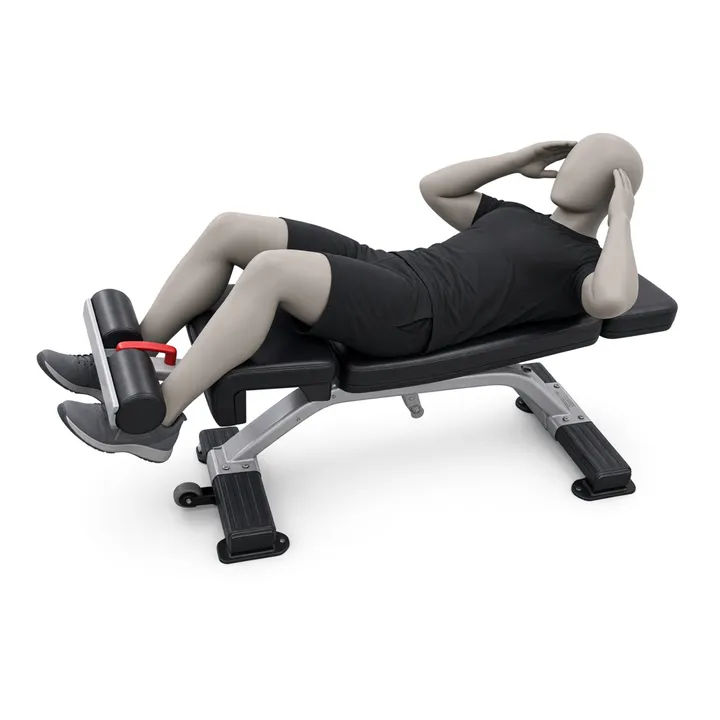
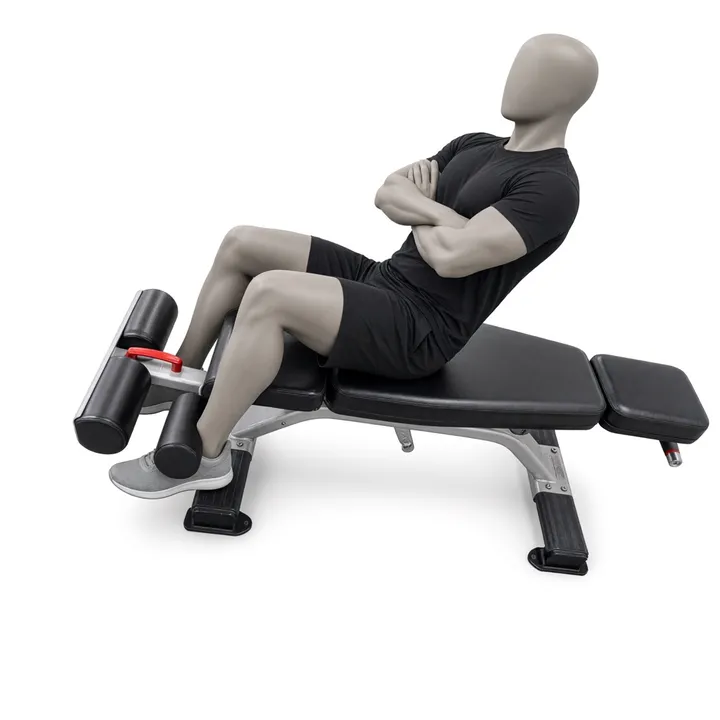
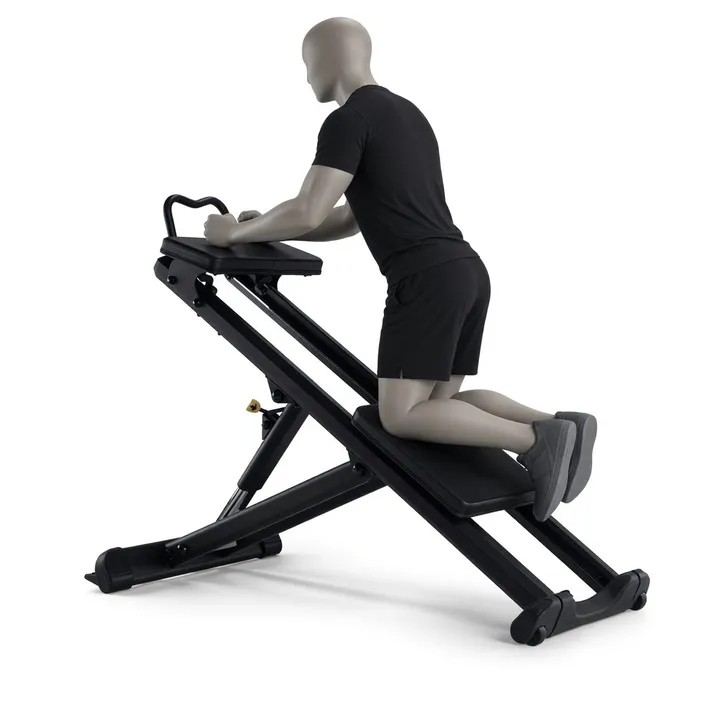
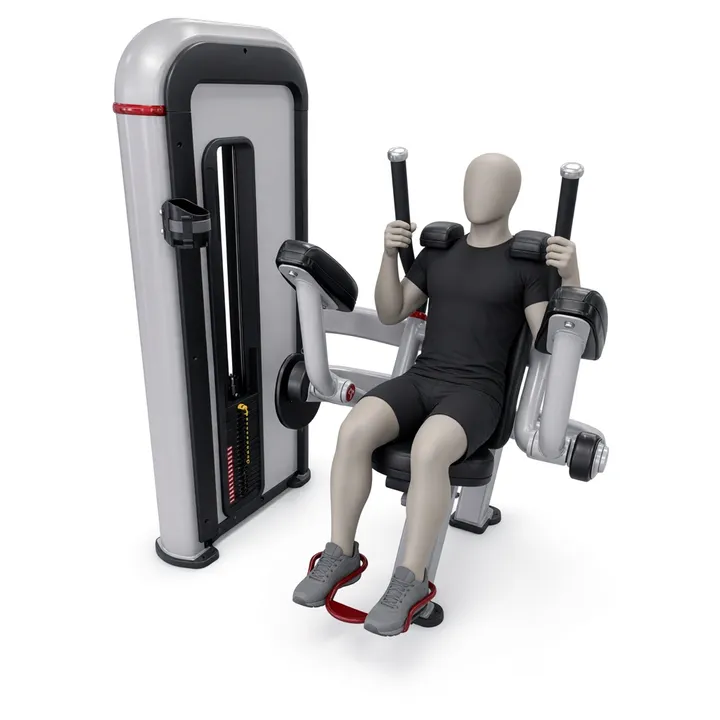
Log your Captain’s chair leg raise sets with GoSet
GoSet remembers your last time, starts your rest on its own and notes your records. Even with no signal in the basement. Coming soon to iPhone and Android.
Common questions
I can’t keep my legs nearly straight. What should I do?
You can shorten the range of motion and lift a bit less, or move to captain’s chair knee raises instead. As your core and hip flexors get stronger, you’ll be able to extend your legs more.
I feel this mostly in my hip flexors. Is that normal?
Yes, they work a lot to raise your legs. To make your core work hard too, focus on strict control, a steady lower back, and lifting without momentum. You can also pair this with another core exercise like a machine crunch or decline crunch.
My lower back hurts when I do these. Should I keep going?
No. Stop the exercise. Talk to a health professional before doing it again, and in the meantime pick a more stable core option, like a machine crunch or decline crunch.
How high should I raise my legs?
As a simple target, aim for horizontal, without arching or swinging. If you lose control before that point, stop just before it. A slightly smaller but strict range is better than going higher with momentum.