Exercise · Core
Kneeling cable crunch
The kneeling cable crunch is a weighted core exercise using a high pulley. It puts steady tension on your abs and obliques thanks to the cable. It’s a solid option if you want a heavier crunch that’s easy to adjust and track.
Doable at all 76 gyms GoSet follows
The essentials
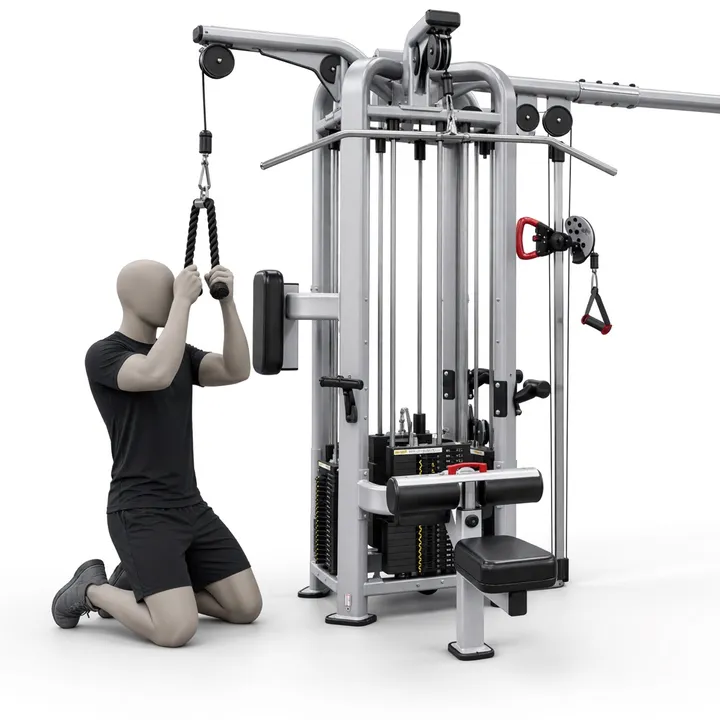
- Kneel, rope beside your head.
- Curl your torso down without sitting back on your heels.
Muscles worked
- Primary
- Core
- Secondary
- Obliques
How to do it
- Kneel in front of the cable station with the pulley set high, holding the rope beside your head, on each side of your ears.
- Anchor your knees to the floor, keep your hips roughly in place, torso upright and eyes looking forward to start.
- Inhale, then start the movement by curling your upper torso down toward the floor, as if you wanted to bring your chest closer to your pelvis.
- Keep your hands and the rope close to your head the whole time; avoid pulling mainly with your arms.
- Lower until you feel a solid contraction in your core without sitting back on your heels, then pause for a second at the bottom.
- Come back up under control in 2–3 seconds, unrolling your torso to the start position and exhale toward the top of the movement.
Common mistakes
Sitting back on your heels
Instead : Keep your hips roughly in the same spot and think about rounding your spine instead of pushing your butt back. If you feel it mostly in your thighs, you’re sitting too far back.
Pulling with your arms instead of your core
Instead : Keep the rope glued near your head and your elbows fairly fixed. Focus on “bending” through your torso and bringing your ribs toward your pelvis, not dragging the rope to the floor.
Moving too fast and losing control
Instead : Slow the movement to about 2–3 seconds on the way up and add a brief pause at the bottom. Use a weight that lets you keep this tempo without jerking.
Rounding the lower back in a painful way
Instead : Let most of the curling come from your upper torso. If you feel discomfort in your lower back, cut the range of motion or the weight, and stop completely and talk to a professional if the pain persists.
Coach tips
- Start light to find your comfortable range of motion, then increase the weight over sessions once you control the movement well.
- Try exhaling as you crunch down; that often makes it easier to brace and feel your core working.
- Keep your knees stable and firmly on the floor so your body doesn’t swing around when the weight gets heavier.
- If you want to feel your obliques more, you can rotate your torso slightly toward one side at the bottom, keeping the movement smooth and controlled.
Variations
- Kneeling cable crunch with a slight twist to put a bit more focus on one side of the core at a time.
- Kneeling cable crunch with reduced range of motion if you’re new to the exercise or the full version feels too demanding right now.
Sets and reps
For strength and muscle, people often use 2 to 4 sets of about 10 to 20 reps on this exercise, depending on weight and level. Because it’s easy to load, many track the weight and reps from workout to workout.
Equipment
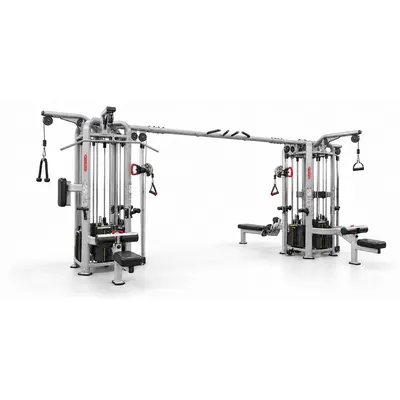
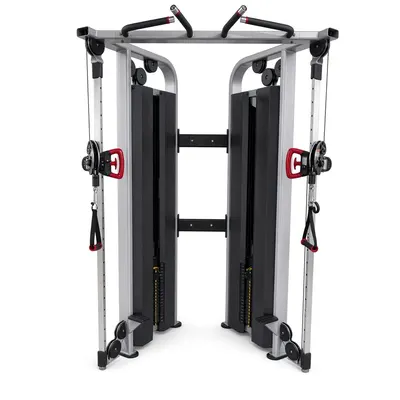
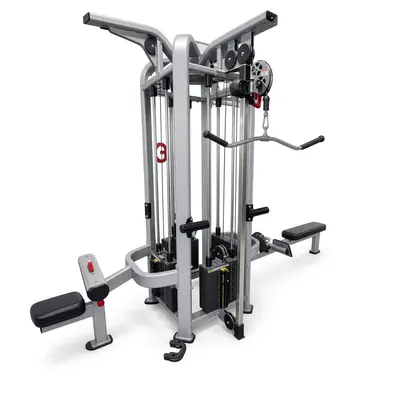
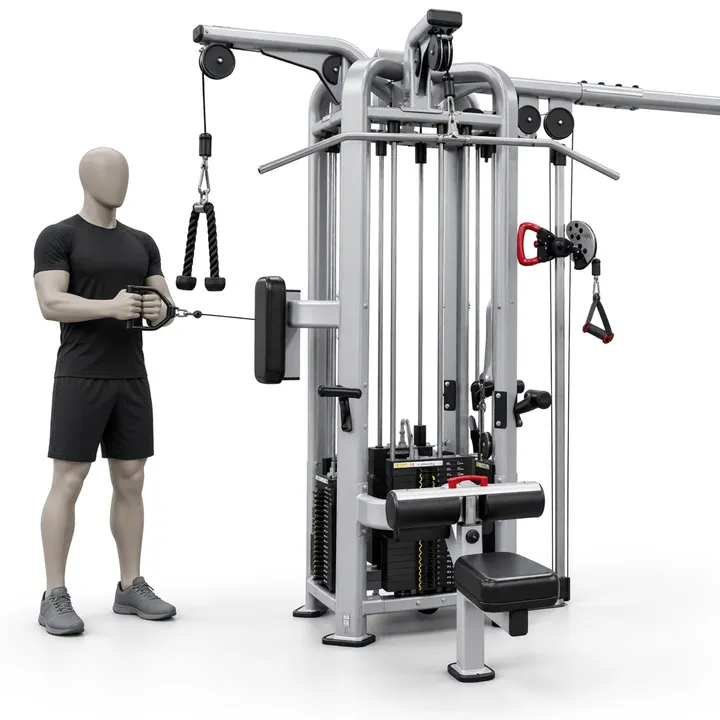
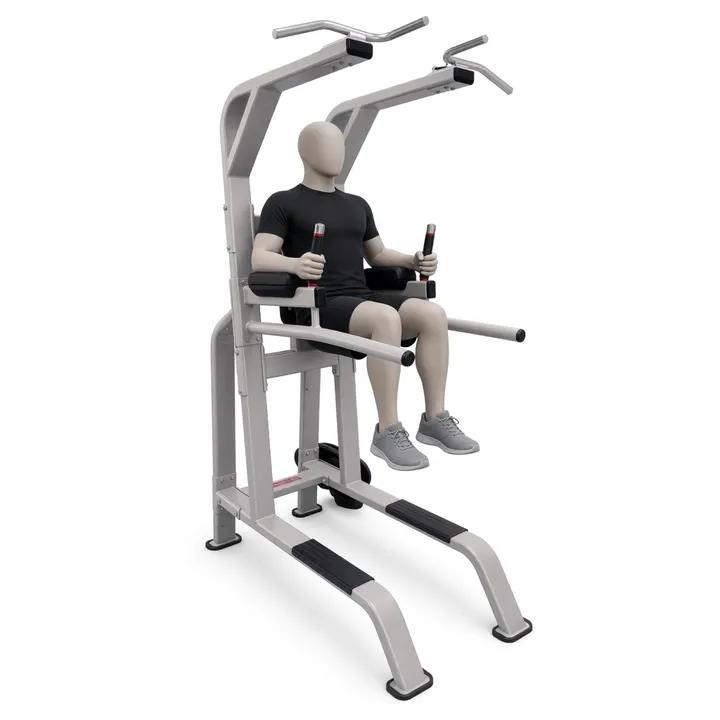
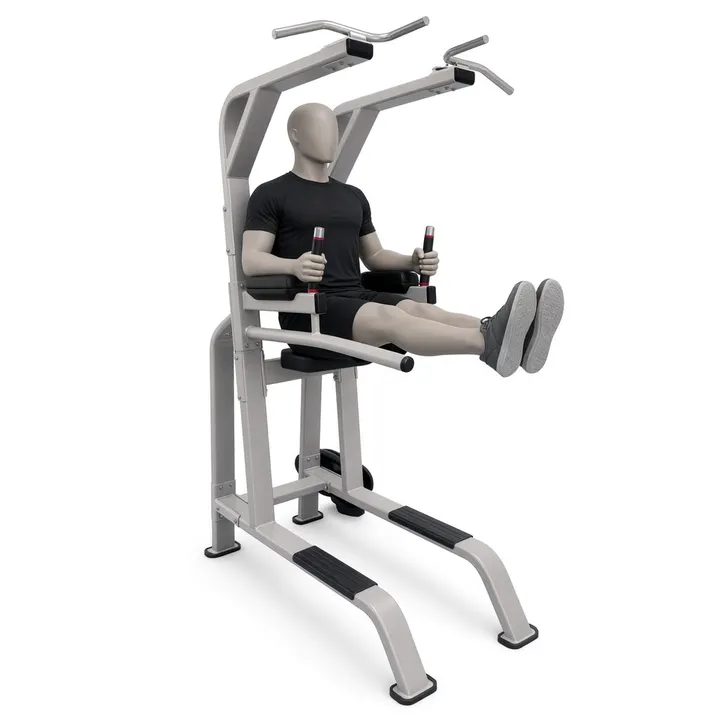
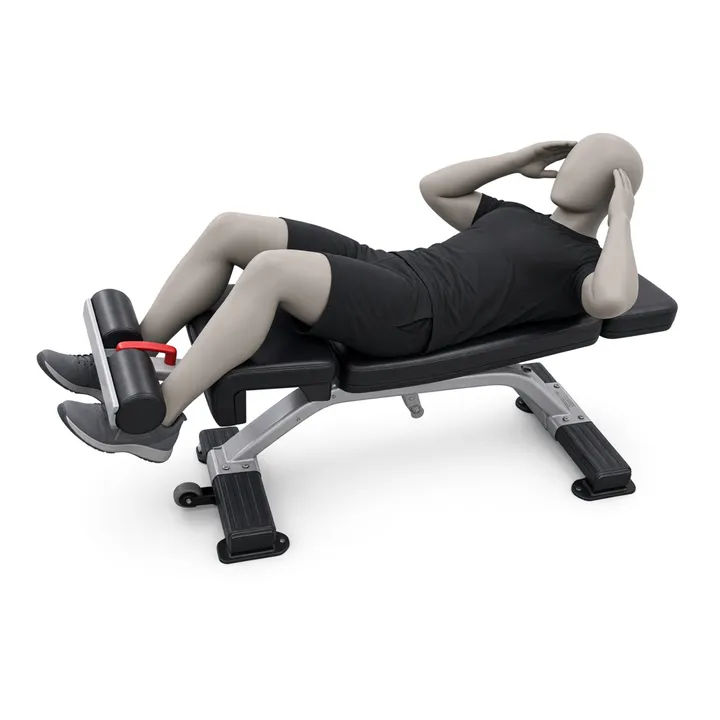
Alternatives for the same muscles
Log your Kneeling cable crunch sets with GoSet
GoSet remembers your last time, starts your rest on its own and notes your records. Even with no signal in the basement. Coming soon to iPhone and Android.
Common questions
Where should I hold the rope for the kneeling cable crunch?
Hold the rope beside your head, on each side of your ears. Keep it there the whole time, without letting your hands drop toward the floor, so your core does the work instead of your arms.
How do I know if I’m cheating by sitting back too much?
If you feel like you’re sitting onto your heels or your thighs are working more than your core, you’re shifting back too far. Use a visual mark on the floor to keep your knees in place and think about curling your torso down instead of moving your hips back.
Does the kneeling cable crunch replace other core exercises?
It’s a good way to load core flexion with weight, especially for your abs and obliques. Many people still keep other moves like the Pallof press or leg and knee raises to mix different angles and types of core work.
What should I do if my back hurts during cable crunches?
Stop the exercise right away. You can try using less weight or a smaller range of motion if it was just mild discomfort, but if the pain comes back, skip this movement and talk to a professional before continuing.