Exercise · Core
Decline crunch on adjustable ab bench
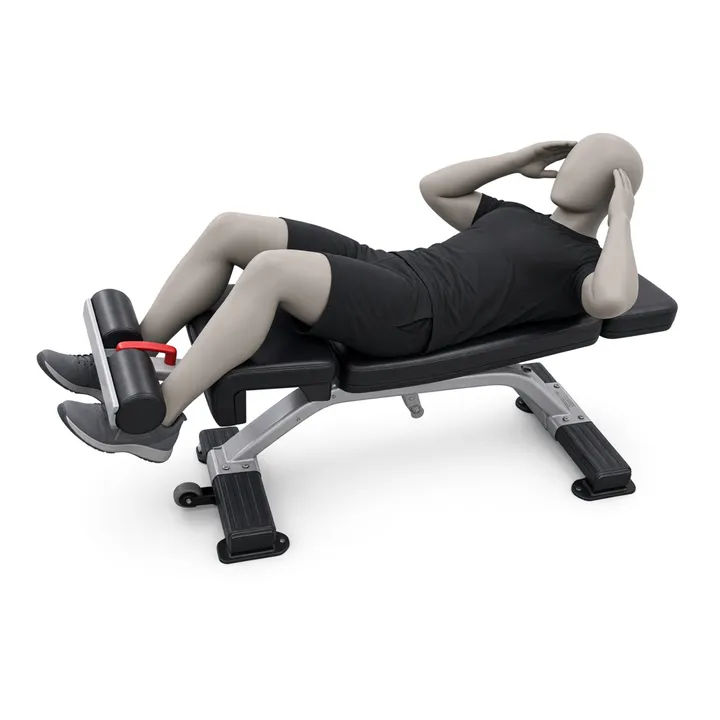
The decline crunch is a harder version of the floor crunch thanks to the angled adjustable ab bench. It mainly targets your core, with some help from your obliques and hip flexors. It’s a good option if regular crunches feel easy and you want more challenge without adding heavy weight.
Doable at all 76 gyms GoSet follows
The essentials
- Lift only your shoulders off the bench.
- Don’t pull on your neck.
Muscles worked
- Primary
- Core
- Secondary
- Obliques · Hip flexors
How to do it
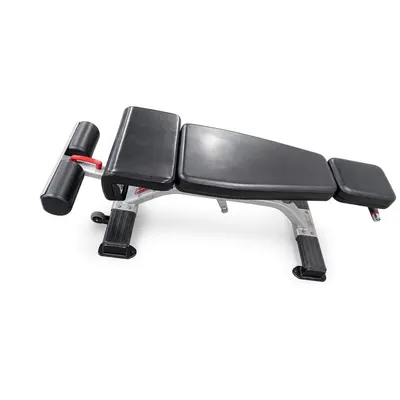
- 1. Set the adjustable ab bench to a moderate decline, secure your feet under the rollers, and press your lower back into the bench.
- 2. Place your hands crossed on your chest or lightly at your temples without pulling on your neck, and look at the ceiling or slightly forward.
- 3. Breathe in at the bottom, then curl your upper back: lift only your shoulders off the bench by tightening your core, as if bringing your ribs closer to your hips.
- 4. Keep your lower back in contact with the bench, don’t sit all the way up, and don’t pull on your neck with your hands.
- 5. Briefly pause at the top while keeping your core tight, then lower yourself in 2 to 3 controlled seconds until your shoulders barely touch the bench.
- 6. Keep a smooth, steady rhythm for all your reps, with no bouncing or swinging your body.
Common mistakes
Sitting all the way up instead of crunching
Instead : Limit the movement to curling your upper back. Lift only your shoulders off the bench and stop before your lower back starts to lift off.
Pulling on your neck with your hands
Instead : Keep your elbows open and your hands light at your temples or on your chest. Think about driving your upper back into the air, not your head into your hands.
Using momentum and bouncing
Instead : Come up in about 1 second and go down in 2 to 3 seconds. If you lose control, reduce the bench angle or do fewer reps per set.
Arching your lower back
Instead : Before you start, press your lower back into the bench and keep that contact throughout the set. If your lower back works more than your core, raise the bench a bit to reduce the decline.
Coach tips
- Start with a mild decline and only increase the angle once you control both the way up and the way down.
- Breathe out as you crunch up and brace your core; breathe in as you go down under control without letting everything go loose.
- If you tend to pull on your neck, keep your hands crossed on your chest so you’re forced to move from your core.
- When it feels easy, you can slow down the lowering phase or add a 1–2 second pause at the top instead of just piling on more reps.
Variations
- Decline crunch with arms extended toward the ceiling to increase the lever arm without adding external weight.
- Partial decline crunch with a small range of motion at the top for more constant tension on the core.
Sets and reps
You’ll often see decline crunches done for 2 to 4 sets of about 10 to 20 reps, depending on your level and the bench angle. The main goal is to keep good core tension and full control of the lowering phase.
Equipment
Alternatives for the same muscles
Log your Decline crunch sets with GoSet
GoSet remembers your last time, starts your rest on its own and notes your records. Even with no signal in the basement. Coming soon to iPhone and Android.
Common questions
I feel this mostly in my hip flexors. Is that ok?
They do help a bit, but you should mainly feel your core. If your hip flexors take over, reduce the decline, limit your range to just lifting the shoulders, and focus on curling your upper back instead of trying to sit up.
Where should I put my hands to protect my neck?
Crossing them on your chest is the simplest option. If you put them at your temples, keep them light with elbows open, and think about lifting your upper back, not pushing your head forward. If your neck feels strained, stop the set and reset your position.
What if my lower back hurts during decline crunches?
Stop the exercise and talk to a professional before doing it again. Sometimes using a smaller decline or going back to floor crunches feels better, but it’s best to get that checked by someone qualified.
It’s too hard for me right now, what can I do instead?
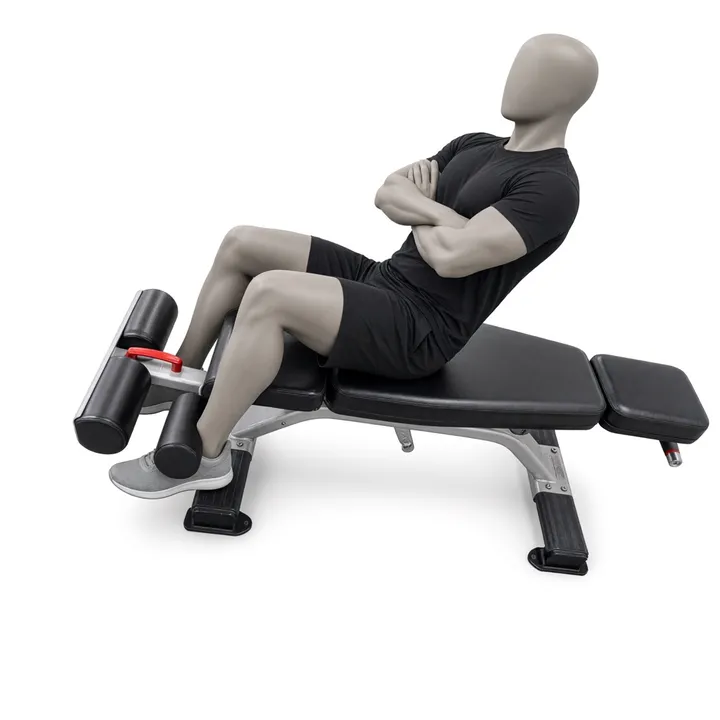
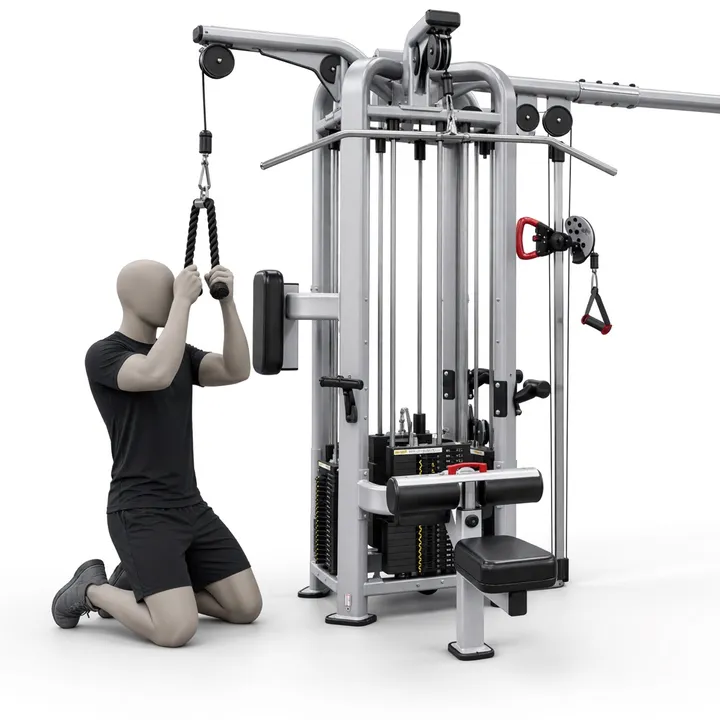
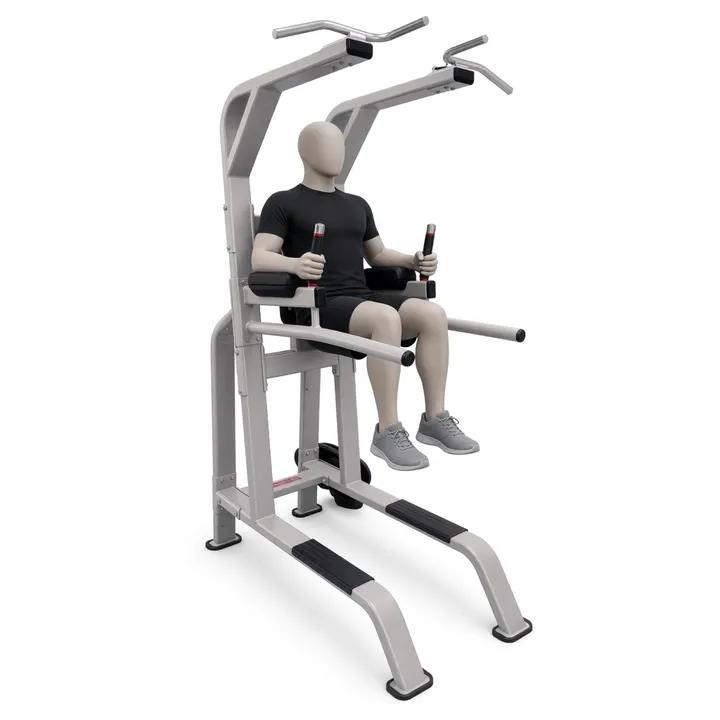
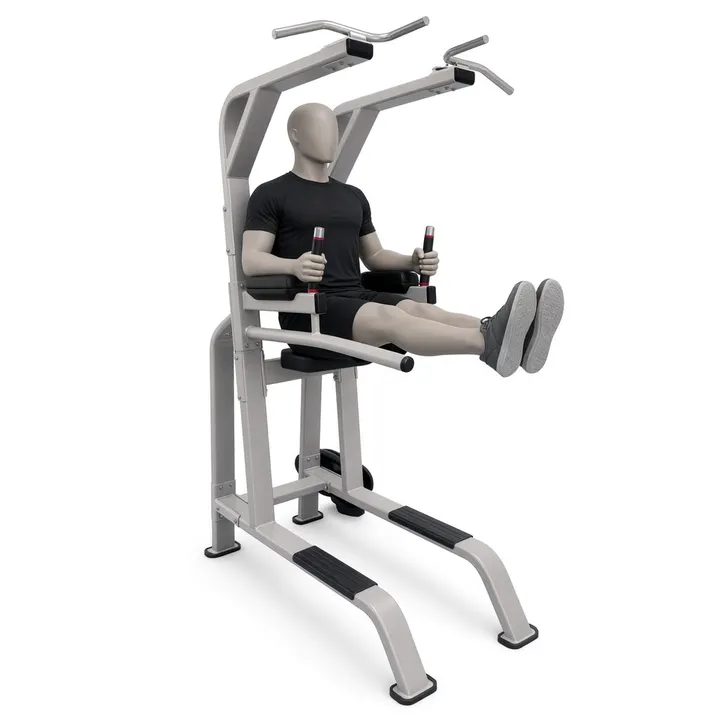
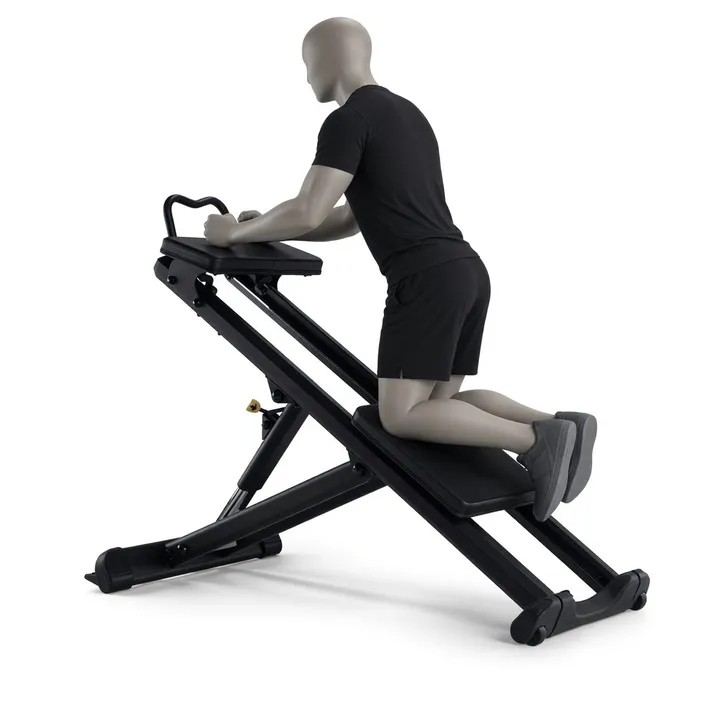
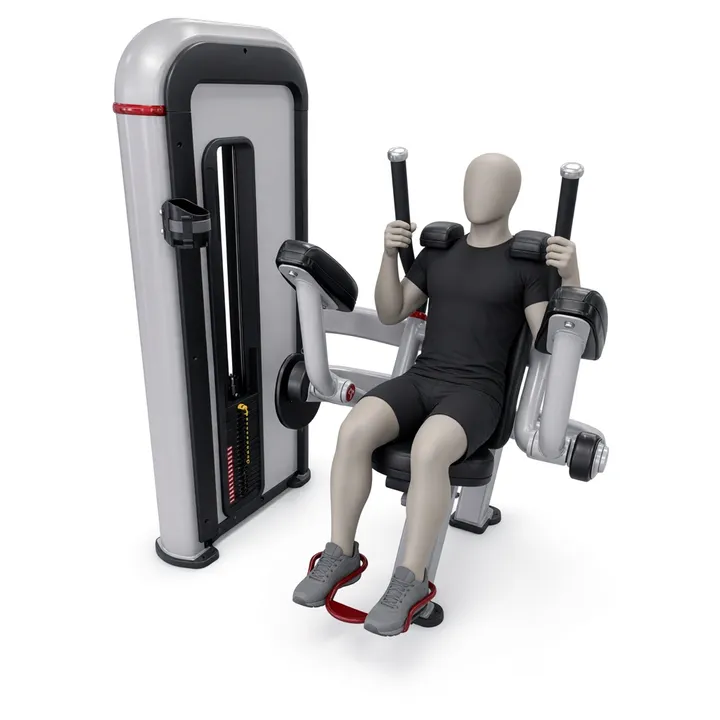
You can switch to something a bit easier or more controlled, like the kneeling cable crunch, machine crunch, or kneeling glideboard crunch. Decline sit-ups or captain’s chair knee or straight leg raises are other options, depending on what you handle best.