Exercise · Core
Plank on the floor: how to do it right
The plank is a core exercise where you hold your body straight on your forearms and toes. It mostly works your core, with support from the shoulders to stabilize. You can do it anywhere, with no equipment, and it’s a good way to build a stronger midsection.
Doable at all 76 gyms GoSet follows
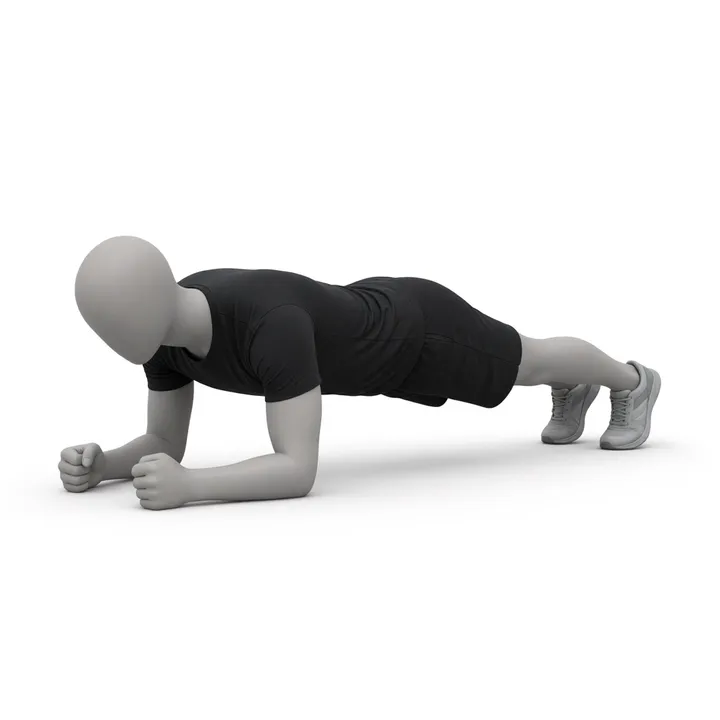
The essentials
- Elbows under your shoulders.
- Body straight, glutes squeezed.
Muscles worked
- Primary
- Core
- Secondary
- Shoulders
How to do it
- Lie face down on the floor, resting on your forearms and toes.
- Place your elbows directly under your shoulders, forearms parallel, hands flat or together.
- Extend your legs behind you and lift your hips so your body forms a straight line from shoulders to heels.
- Squeeze your glutes and brace your core so your lower back doesn’t sag and your hips don’t rise too high.
- Keep your head in line with your spine, look at the floor, and breathe steadily through nose and mouth.
- Hold for the planned time, then gently lower your knees to the floor to come out of the plank under control.
Common mistakes
Lower back sagging
Instead : Gently draw your belly button in toward your spine while still breathing, and squeeze your glutes to bring your pelvis back to neutral. If you feel sharp pain, especially in the lower back, stop and talk to a professional.
Hips too high
Instead : Think of someone lightly pushing between your shoulder blades to lengthen your body. Bring your hips back in line between shoulders and heels without letting them drop too low.
Elbows too far forward
Instead : Reset your elbows directly under your shoulders before you start your timer. This helps your shoulders support the position without extra strain.
Bent neck or head lifted
Instead : Keep your eyes on the floor a few inches in front of your hands. Aim for a straight line from the back of your head down to your heels.
Coach tips
- Start with short holds, even just a few solid seconds, and increase the time gradually once your position stays tight.
- Use a calm tempo: take about 1 second to get into position, hold steadily, then lower down under control in 2 to 3 seconds.
- Keep breathing the whole time. Slow, steady breaths help you keep your core engaged without tensing up too much.
- If it’s too hard at first, you can do the same position with your knees on the floor to learn the proper body alignment.
Variations
- Knees-down plank to reduce the load on your core and shoulders.
- Plank with hands instead of forearms to change how your shoulders and core work.
Sets and reps
Planks are often done for time, for example several holds ranging from a few seconds to longer, depending on your level. Over time, many people progress by increasing total hold time or the number of sets.
Equipment
No equipment: bodyweight.
Alternatives for the same muscles
Log your Plank sets with GoSet
GoSet remembers your last time, starts your rest on its own and notes your records. Even with no signal in the basement. Coming soon to iPhone and Android.
Common questions
What should I feel during a plank?
You should mainly feel your core working to keep your body straight, with some effort in your shoulders. If you feel sharp pain, especially in the lower back, stop and talk to a professional.
How long should I hold a plank?
It depends on your level. Many people start with short holds and increase the time once they can keep good alignment, without the lower back sagging and without losing control of their breathing.
Can I do planks every day?
Some people do planks very often because there’s no external weight. Pay attention to how your body feels and adjust with a professional if you’re unsure.
What can I do instead of planks if I don’t like them?
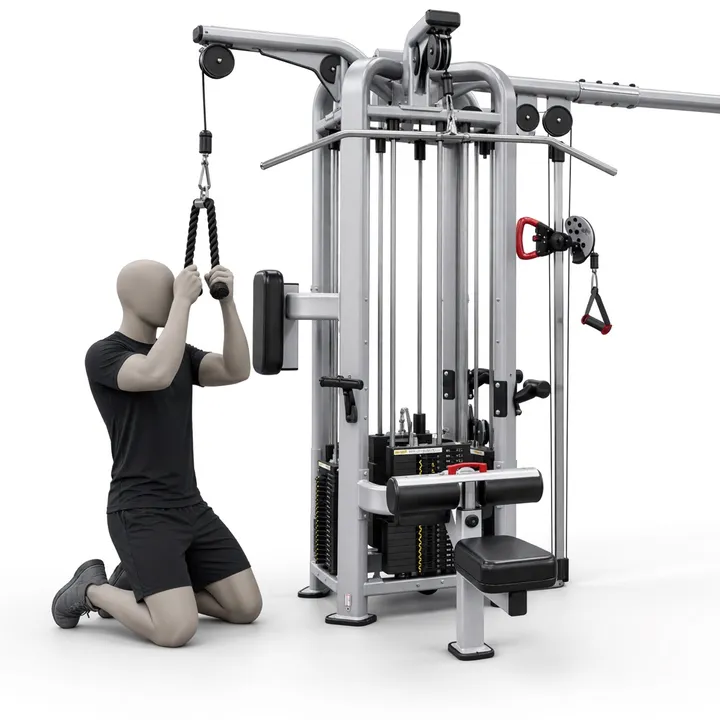
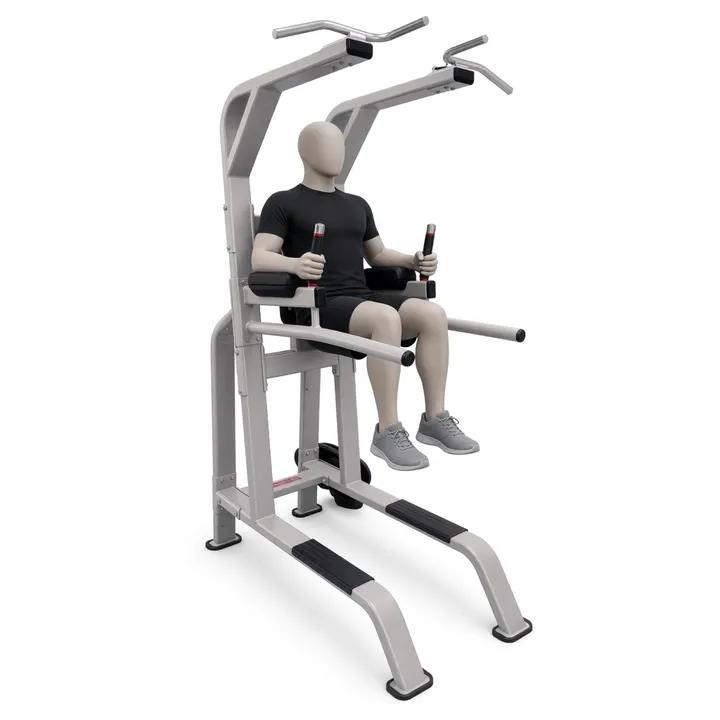
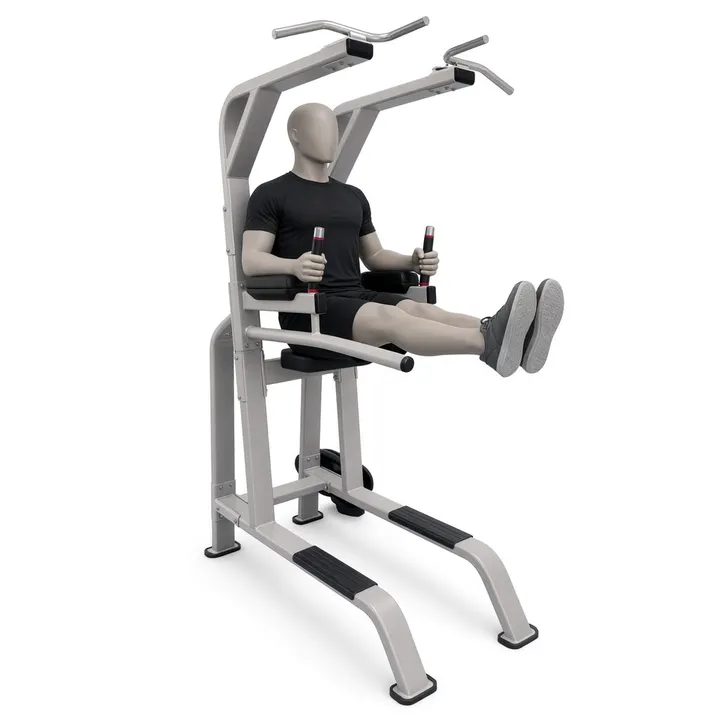
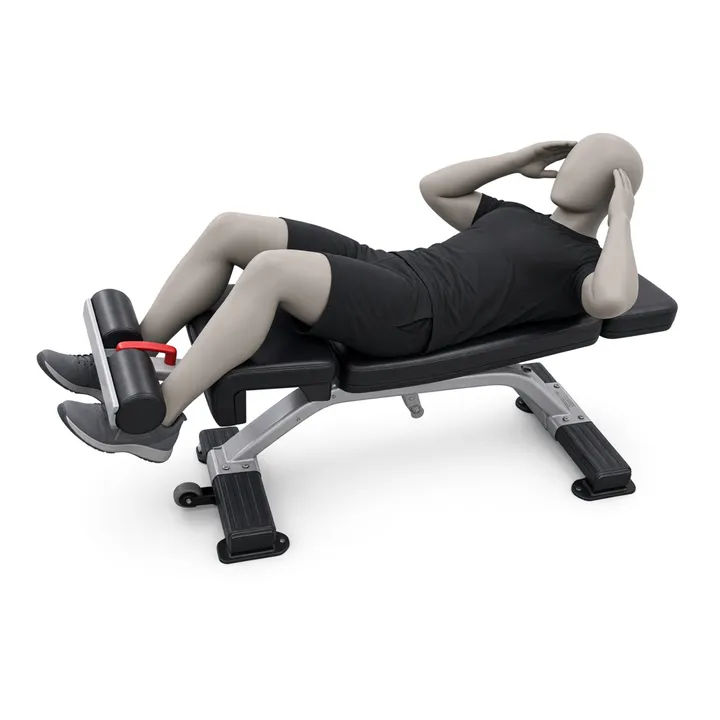
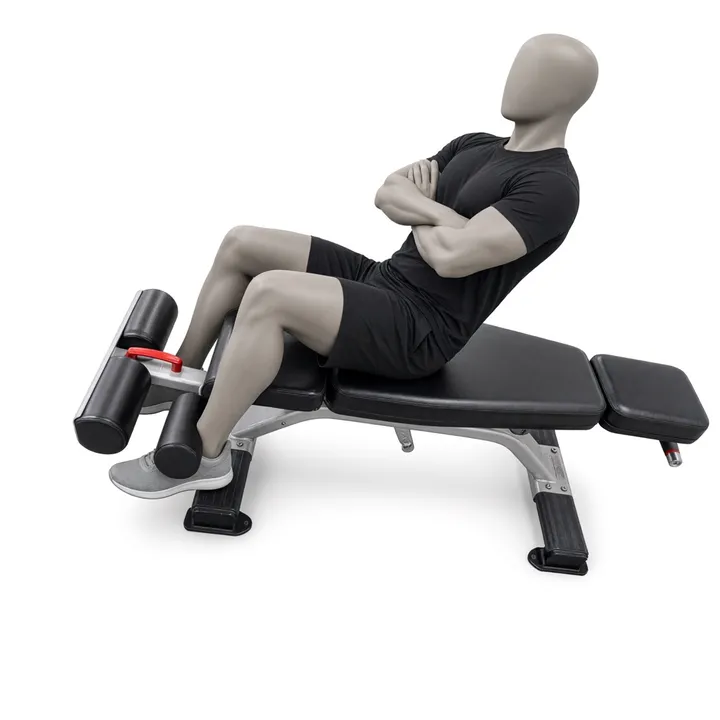
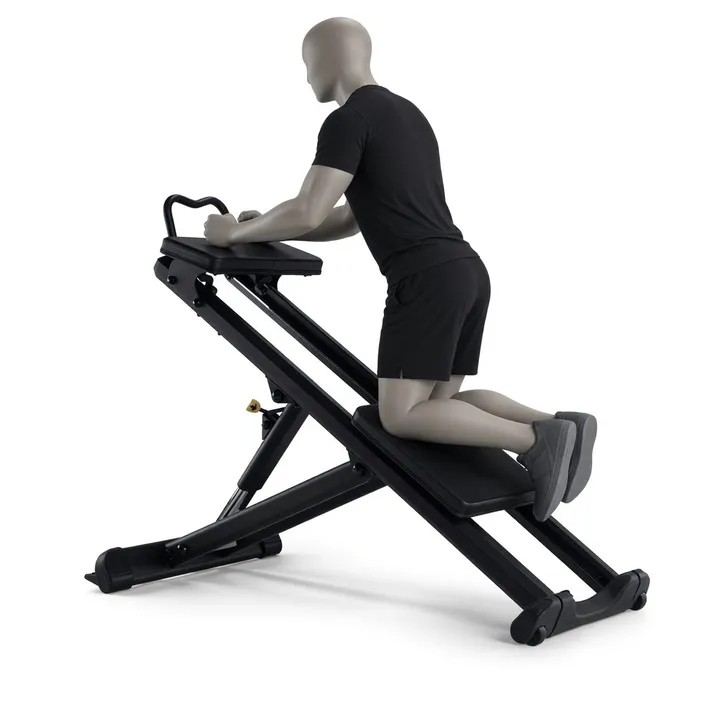
In many gyms, exercises like the kneeling cable crunch, captain’s chair knee or leg raises, decline crunch, decline sit-up, or kneeling glideboard crunch can also work your core.